Future of Crop Innovation and Sustainability

Abstract Agricultural sustainability is at the heart of global food security, especially in the face of climate change, resource depletion, and a rapidly growing population. Advances in crop biotechnology, particularly through gene editing and genetic modification—have revolutionized how we approach crop improvement. This article explores the evolution of crop biotechnology, delineates the differences between gene … Read more
Gene Editing vs. Genetic Modification: Which Will Shape the Future of Crop Biotechnology?

Abstract Gene editing and genetic modification have become central to modern agricultural biotechnology, revolutionizing crop improvement strategies worldwide. While both technologies aim to enhance agricultural productivity and food security, they differ significantly in methodology, regulatory perception, and public acceptance. This article explores the mechanisms, applications, and implications of gene editing (CRISPR/Cas9, TALENs, ZFNs) and genetic … Read more

RNA Technologies for sustainable Agriculture

Introduction RNA-based technologies are transforming modern agriculture by providing precise, eco-friendly solutions for disease resistance, pest management, and crop improvement. These technologies, including RNA interference (RNAi), messenger RNA (mRNA) vaccines for plants, and synthetic RNA applications, offer alternatives to chemical pesticides and genetic modification. With climate change and increasing food demand, RNA technologies play a … Read more

Field Fires: A Double-Edged Sword – Biotechnological Pathways to Sustainable Agriculture

Field fires, often used for clearing agricultural residues and managing pests, have long been a controversial practice in farming. While they can temporarily increase soil fertility and reduce disease load, their adverse environmental impacts, such as air pollution, soil degradation, and greenhouse gas emissions, outweigh the benefits. The pressing need for sustainable agriculture demands alternative … Read more

Enhancing Crop Resistance Against Pests and Diseases Using Genomic Approaches

Introduction The growing demand for food security in the face of increasing pest and disease pressures has propelled genomic technologies to the forefront of agricultural innovation. These tools offer precise, efficient, and environmentally sustainable solutions to enhance crop resilience. Over recent decades, agricultural losses due to pests and diseases have intensified, exacerbated by climate change … Read more

Smog and Plants: A Silent Crisis Threatening Agriculture and Food Security

Smog—a harmful mixture of air pollutants including ground-level ozone, nitrogen oxides, sulfur dioxide, and particulate matter—has become a critical environmental issue. It doesn’t just harm human health but profoundly impacts plant life, ecosystems, and global agriculture. This silent crisis is more pervasive than ever, with far-reaching consequences for vegetation and food production. As smog levels … Read more

Domains in Omics: Insights into Genomics, Proteomics, and Functional Biology

In the expanding field of omics, which encompasses genomics, proteomics, transcriptomics, and metabolomics, the study of domains is essential for understanding how biological molecules function and interact. Domains are distinct structural or functional units within a protein, gene, or other biomolecule, acting as the “modules” that confer specific abilities, such as binding to other molecules, … Read more

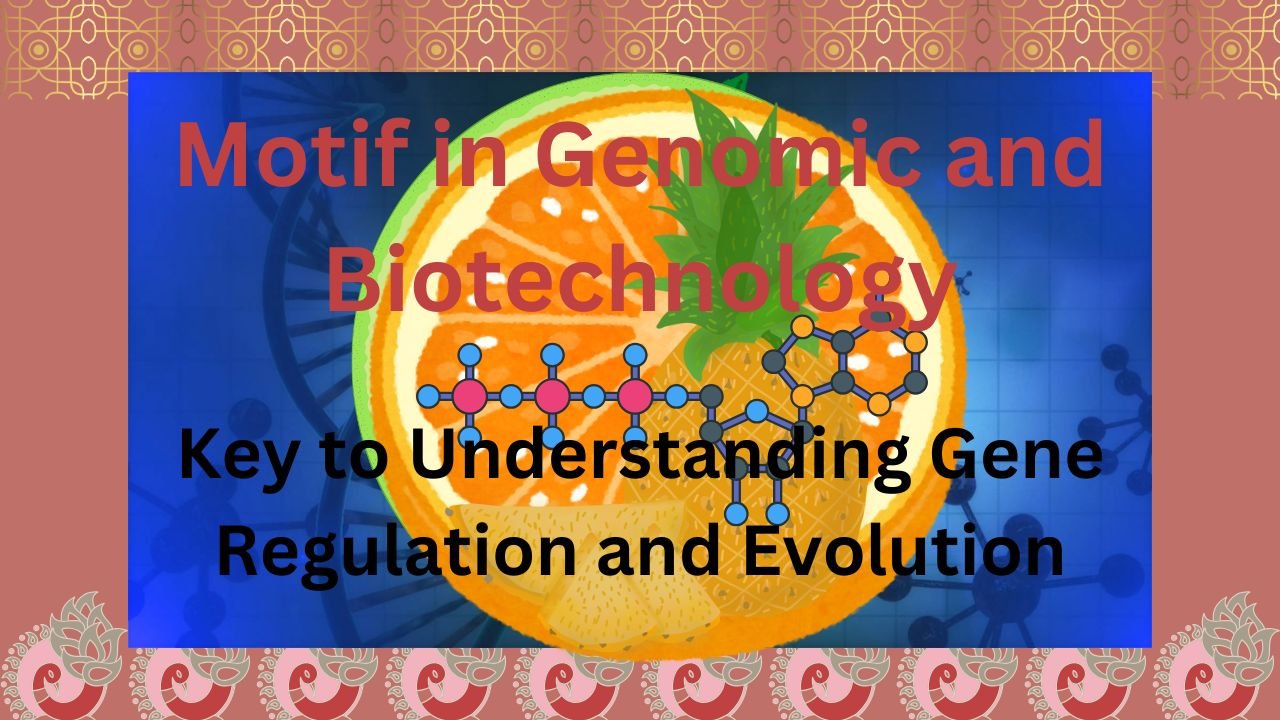
Unraveling Motifs in Genomics: Key to Understanding Gene Regulation and Evolution

In the vast and complex landscape of genomics, motifs are the hidden gems—short, recurring patterns that hold the key to many biological processes. These patterns, often a few base pairs or amino acids long, serve as the control switches for gene regulation, protein interactions, and cellular signaling. Whether embedded in DNA, RNA, or proteins, motifs … Read more

Polyamine Biosynthesis in Plants: Mechanisms, Functions, and Cutting-Edge Research Trends

Polyamines, such as putrescine, spermidine, and spermine, are critical regulators of plant growth, development, and environmental stress adaptation. These small, organic molecules interact with nucleic acids, proteins, and membranes, influencing various biological processes. Current research is intensifying around polyamine biosynthesis due to their potential to enhance crop resilience, productivity, and stress tolerance in the face … Read more