Understanding Whiteflies: A Comprehensive Guide

What Are Whiteflies? Whiteflies (family Aleyrodidae) are small, sap-sucking insects. They are typically found in warm climates and are known for their white, powdery appearance. Adult whiteflies resemble tiny moths and measure about 1/16 to 1/8 inches in length. These pests have a life cycle that includes an egg, nymph, and adult stage, each contributing … Read more

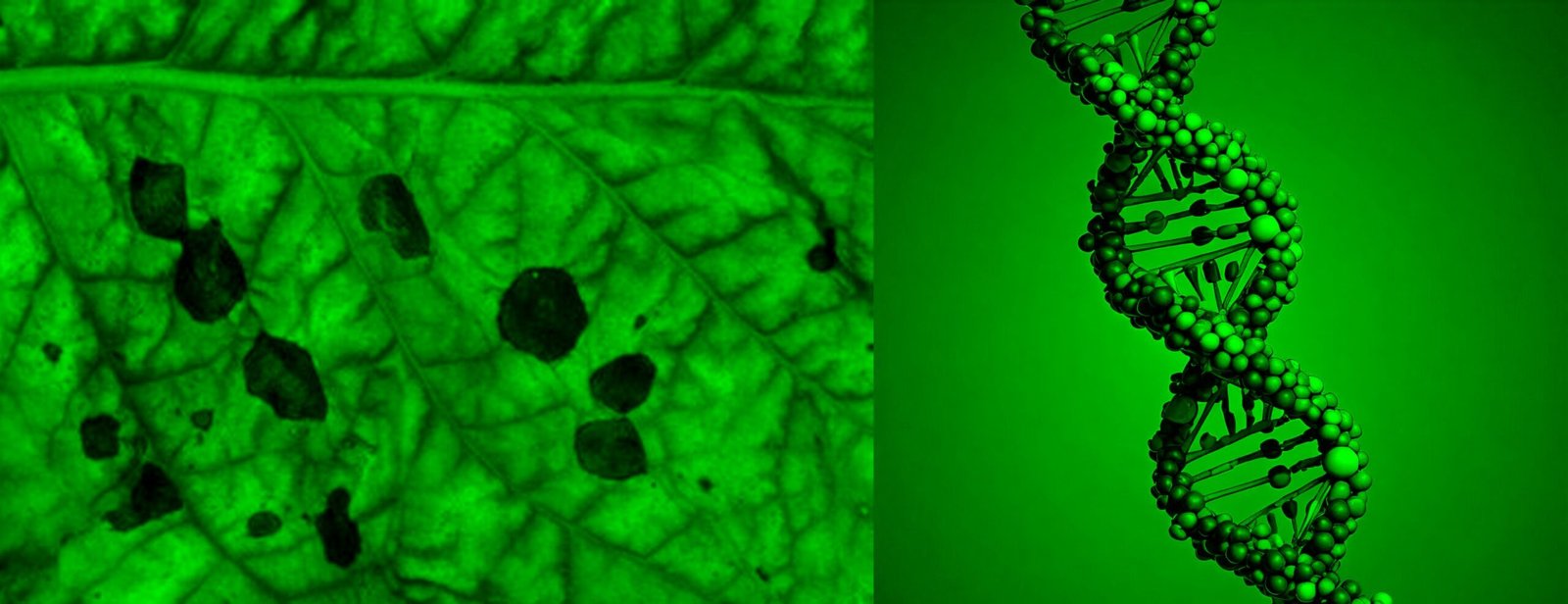
How Whiteflies Hijack Plant Detoxification Genes to Survive Toxic Environments

Whiteflies Hijack Plant Detoxification Genes Whiteflies’ capacity to steal genes involved in plant detoxification poses serious problems and has ramifications for managing ecosystems and agriculture. Many plants produce phenolic glycosides that are toxic to insect herbivores, and whiteflies carry the plant-derived phenolic glucoside malonyltransferase gene BtPMaT1. BtPMaT1 allows whiteflies to neutralize phenolic glycosides in their … Read more

Understanding Plant Protection: What It Is and Its Importance

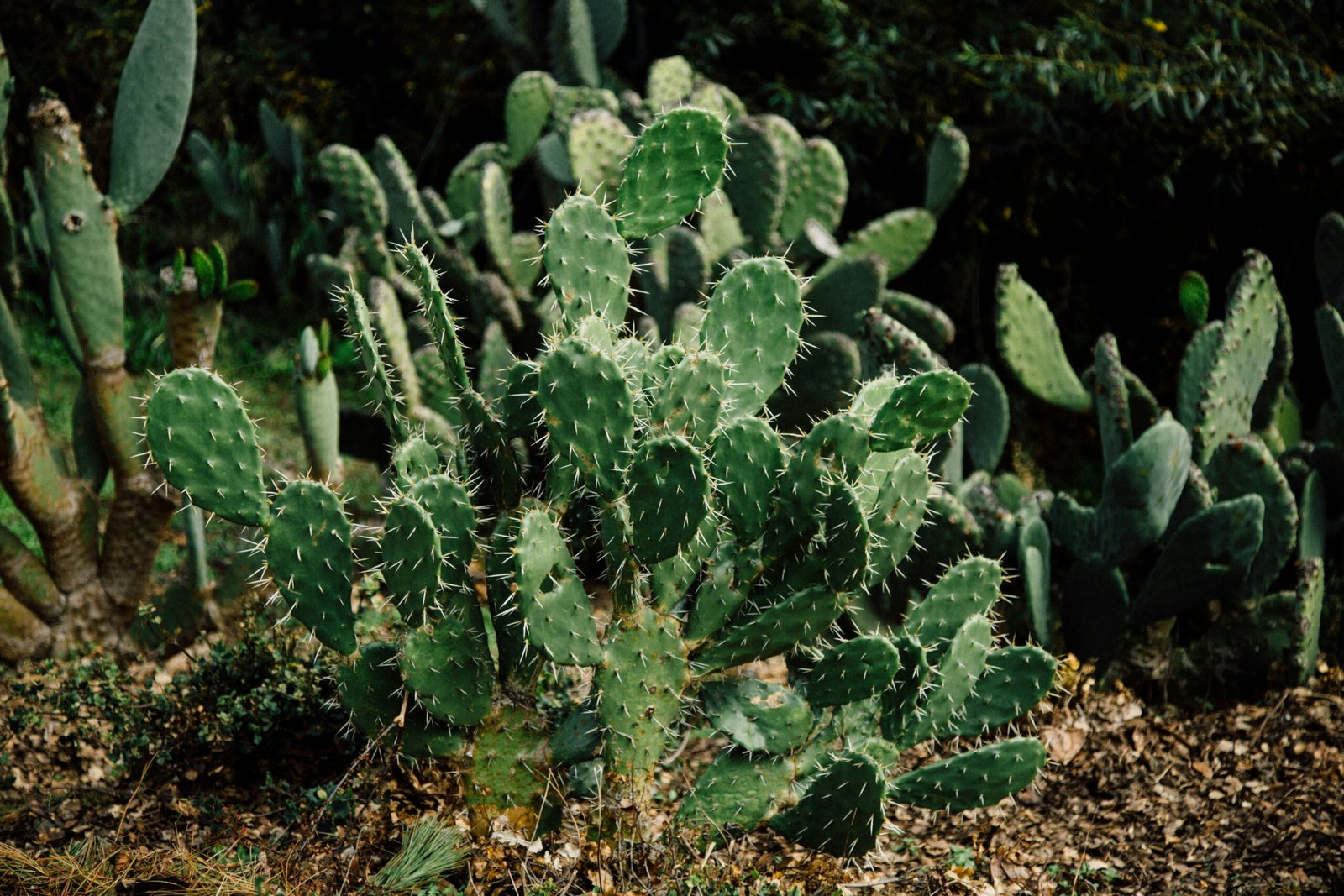
green cacti plant

What is Plant Protection?

The techniques and procedures used to protect plants from pests, illnesses, and environmental hazards are referred to as plant protection. Maintaining healthy crops and promoting sustainable agriculture are the primary goals of plant protection, which makes sure that plants flourish in their native environments and agricultural contexts.

Elements of Plant Protection

Effective plant protection techniques frequently combine mechanical, chemical, cultural, and biological methods. Crop rotation and the selection of resistant plant varieties are examples of cultural methods, whereas biological management uses natural predators or parasites to suppress pest populations. Chemical approaches usually entail the use of pesticides, whereas mechanical approaches provide tangible barriers like nets or traps.

The Importance of Plant Protection

For a number of reasons,  plant protection measures is necessary. It promotes economic growth in the agricultural sector, ensures food security, and boosts crop yields. Furthermore, using appropriate plant protection techniques lowers the possibility of chemical residues in food items, which promotes better eating. In addition to promoting biodiversity and environmental preservation, sustainable plant protection techniques are essential to the continuous battle against climate change.

Understanding Maximum Residue Limits in Vegetables: Public Health Impacts and Trade Implications


Domains in Omics: Insights into Genomics, Proteomics, and Functional Biology

In the expanding field of omics, which encompasses genomics, proteomics, transcriptomics, and metabolomics, the study of domains is essential for understanding how biological molecules function and interact. Domains are distinct structural or functional units within a protein, gene, or other biomolecule, acting as the “modules” that confer specific abilities, such as binding to other molecules, … Read more

Unraveling Motifs in Genomics: Key to Understanding Gene Regulation and Evolution

In the vast and complex landscape of genomics, motifs are the hidden gems—short, recurring patterns that hold the key to many biological processes. These patterns, often a few base pairs or amino acids long, serve as the control switches for gene regulation, protein interactions, and cellular signaling. Whether embedded in DNA, RNA, or proteins, motifs … Read more

Polyamine Biosynthesis in Plants: Mechanisms, Functions, and Cutting-Edge Research Trends

Polyamines, such as putrescine, spermidine, and spermine, are critical regulators of plant growth, development, and environmental stress adaptation. These small, organic molecules interact with nucleic acids, proteins, and membranes, influencing various biological processes. Current research is intensifying around polyamine biosynthesis due to their potential to enhance crop resilience, productivity, and stress tolerance in the face … Read more

Molecular Identification of Alternaria alternata: Techniques and Implications

https://plantmol.com/exploring-the-future-of-agriculture-with-molecular-plant-protection/

Introduction to Alternaria alternata Alternaria alternata is a filamentous fungus belonging to the genus Alternaria, well-known for its significant role as a plant pathogen. This ubiquitous fungus is commonly found in the environment, particularly in soil and decaying organic matter. Alternaria alternata poses a considerable threat to a wide range of crops, contributing to economic … Read more


Notice: ob_end_flush(): Failed to send buffer of zlib output compression (0) in /home/plantmol/public_html/wp-includes/functions.php on line 5581