
Plant Tissue Culture: Techniques and Applications

Introduction to Plant Tissue Culture (PTC) Plant tissue culture (PTC) is a method of propagating plants under sterile conditions, utilizing small plant parts, such as cells, tissues, or organs. This innovative technique has gained significant traction in modern botany and horticulture due to its ability to produce large numbers of plants in a relatively short … Read more

Essential Requirements for Plant Tissue Culture Lab Setup

Introduction to Plant Tissue Culture Plant tissue culture is a technique used to grow plants in a controlled environment, enabling the production of disease-free and genetically uniform plants. Setting up a plant tissue culture lab requires careful planning and consideration of essential requirements to ensure success in cultivation. Critical Equipment for Your Lab The core … Read more

Plant Tissue Culture: Applications in Modern Plant Breeding

What is Plant Tissue Culture? Plant tissue culture is a sophisticated technique in botany, used for the propagation of plants under sterile conditions in a controlled environment. This methodology allows for the multiplication of plant cells and tissues at a cellular level, utilizing various components such as hormones, nutrients, and growth regulators. The fundamental principle … Read more

Basic Techniques of Plant Tissue Cultures

Introduction to Plant Tissue Cultures Plant tissue culture (PTC) is used to propagate plants under sterile conditions. This technique allows for the growth of new plants from small pieces of existing plants, significantly aiding in plant research, breeding, and conservation. Understanding the fundamental principles of PTC is essential for anyone interested in botany or horticulture. … Read more

Understanding the Composition of Murashige and Skoog (MS) Medium

a close up of a green garage door

Introduction to MS Medium Murashige and Skoog (MS) medium is a widely recognized nutrient medium used for plant tissue culture. Its carefully formulated composition supports optimal plant growth and development. The MS medium consists of macronutrients, micronutrients, vitamins, and other supplements that create an ideal environment for various plant tissues. Macronutrients in MS Medium The … Read more

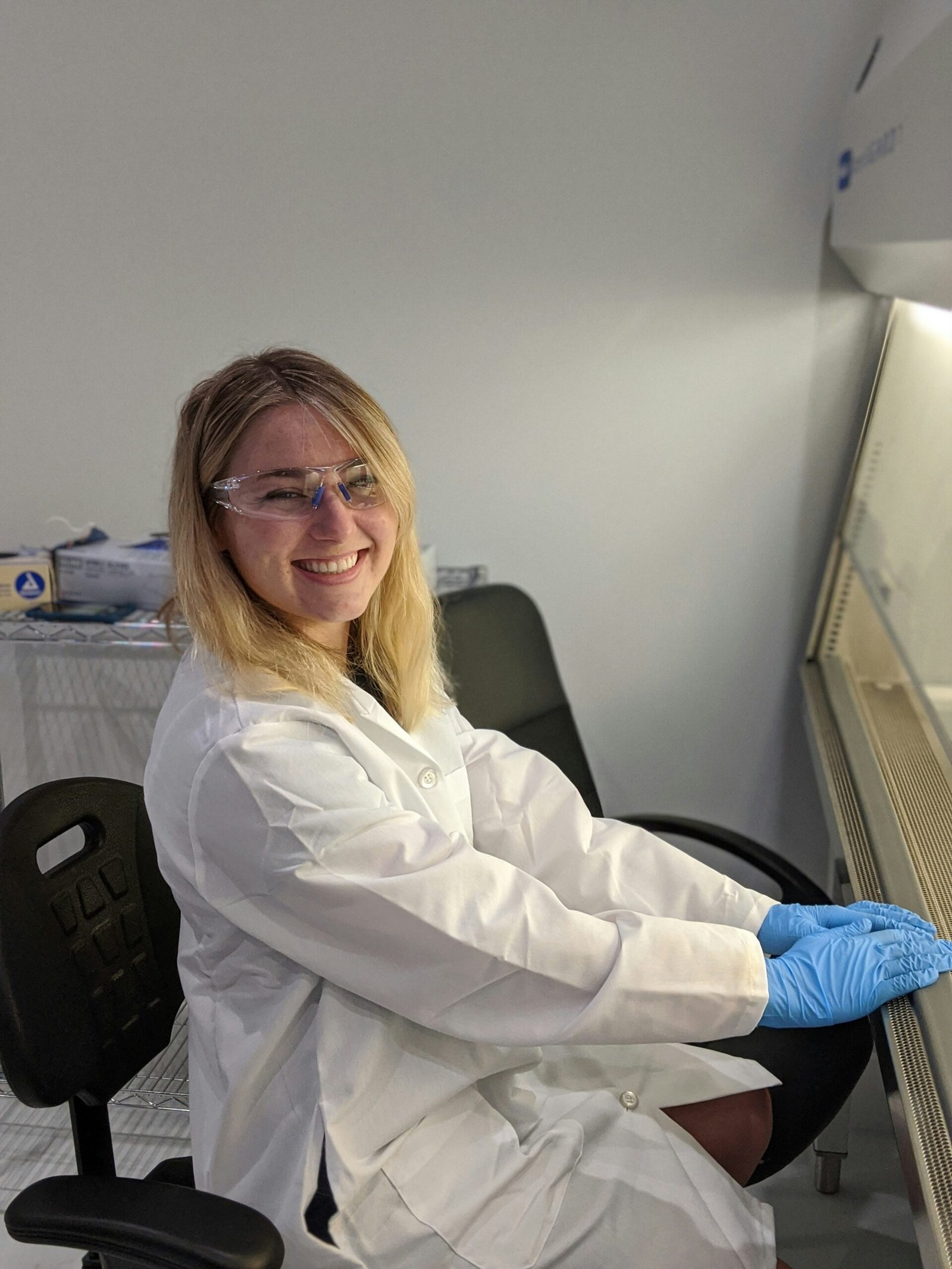
Essential Precautions for Plant Tissue Culture Practices

woman in white coat sitting on black chair

Understanding Plant Tissue Culture Plant tissue culture is a sophisticated technique that allows for the growth of plant cells in a controlled environment. This method is widely used for propagation, preservation, and genetic manipulation. However, to achieve successful results, it’s essential to follow strict precautions and safety guidelines. Plant Tissue Culture Precautions and Safety Guidelines … Read more

Unlocking the Secrets of Plant Gene Manipulation in Tissue Culture

a blurry photo of a purple and yellow object

Understanding Plant Tissue Culture Plant tissue culture is a sophisticated technique used to grow plants in a controlled, aseptic environment, utilizing small sections of plant tissue, known as explants. This method has its origins dating back to the early 20th century, with significant advancements made in the 1950s and 1960s. As a pivotal tool in … Read more

Understanding Plant Tissue Culture: Basics of Media and Experimental Research

Introduction to Plant Tissue Culture Plant tissue culture is a technique used in laboratory settings to grow plants under sterile conditions. It offers significant advantages, including the rapid multiplication of plant material and the ability to produce disease-free specimens. The fundamental elements of plant tissue culture revolve around the choice of media, experimental design, and … Read more

An Introduction to Plant Tissue Culture Techniques

What is Plant Tissue Culture? Plant tissue culture is a modern biotechnology technique that allows for the cultivation of plant cells, tissues, or organs in a controlled, sterile environment. This innovative method has become increasingly popular in both research and commercial agriculture due to its ability to produce large numbers of genetically identical plants quickly. … Read more