
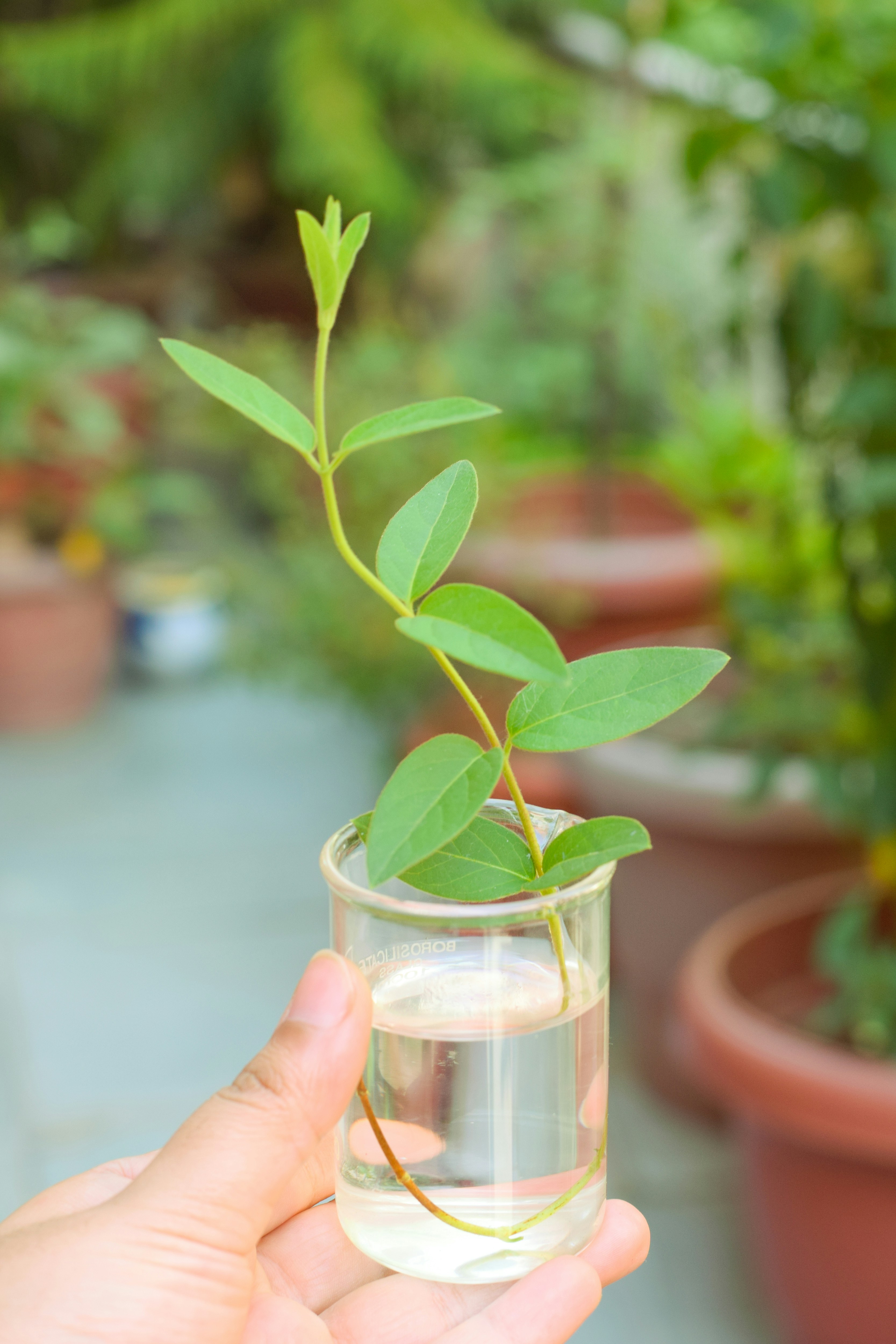
Introduction to Brassinosteroids
Brassinosteroids (BRs) are a class of polyhydroxysteroids that play a crucial role as plant hormones, essential for various growth and developmental processes in numerous plant species. Discovered in the 1970s, they were first identified from the pollen of Brassica napus, which is where they derive their name. Subsequent research has revealed that these compounds are universally present across different plant taxa, highlighting their significance in plant biology.
The chemical structure of brassinosteroids is characterized by a steroid-like structure, specifically a steroid ring system that includes a hydroxyl group at various positions. Multiple BRs have been identified, such as brassinolide, castasterone, and typhasterol, each having slight variations in their molecular structures that confer distinct biological activities. These structural differences contribute to their classification into several groups based on their activity, and they share a common biosynthetic pathway derived from cholesterol.
Brassinosteroids are known to influence a myriad of physiological processes, such as cell division and expansion, elongation of stems, leaf unfolding, and flowering. Additionally, they play a pivotal role in enhancing plant resistance to adverse environmental conditions, including drought, salinity, and temperature extremes. As active regulators of plant growth, BRs interact with other plant hormones, like auxins and gibberellins, creating a complex hormonal network that coordinates growth responses.
Understanding the function and regulatory mechanisms of brassinosteroids opens avenues for advances in agricultural practices, such as improving crop yield and stress tolerance. The study of BRs not only underscores their significance in plant development but also illuminates potential applications in plant tissue culture, where these hormones can be manipulated for optimal growth outcomes.
Importance of Plant Tissue Culture
Plant tissue culture has emerged as a pivotal technology in modern agriculture and horticulture, offering numerous advantages that cater to the increasing demand for effective plant propagation and research. One of the primary applications of plant tissue culture is in the rapid propagation of plant species, allowing for the multiplication of genetically identical plants in a controlled environment. This method facilitates the production of a large number of plants in a relatively short time, which is crucial for both commercial growers and horticulturists.
Moreover, plant tissue culture plays a significant role in genetic research. By enabling researchers to explore the genetic makeup of plants, it assists in the study of various traits, including disease resistance and drought tolerance. This research is vital for breeding programs aimed at developing new cultivars that can withstand varying environmental stresses and yield higher productivity. Genetic modification techniques can also be coupled with tissue culture to introduce desirable traits into target species efficiently.
Another key aspect of plant tissue culture is its contribution to the conservation of endangered plant species. By culturing rare or threatened plants, scientists can maintain genetic diversity and restore populations that might otherwise face extinction. This conservation effort is increasingly important, as habitat loss and environmental changes continue to threaten biodiversity.
Additionally, plant tissue culture significantly aids in the production of disease-free plants. Through the use of sterile techniques, potential pathogens can be eliminated from parent plants, ensuring that the resulting cultures are free from diseases that could negatively impact crop yields. This aspect of plant tissue culture is particularly beneficial in the propagation of economically important species, thereby enhancing food security and sustainable agriculture.
Mechanism of Brassinosteroids in Plant Growth
Brassinosteroids are a class of plant hormones that play a pivotal role in various growth processes at the molecular level. They are known to influence cell division, elongation, and differentiation, thereby facilitating overall plant growth. At the cellular level, brassinosteroids signal through a complex pathway involving the interaction with specific receptors located on the cell surface. Upon binding to these receptors, a cascade of intracellular signaling events is initiated, leading to the activation of downstream response genes.
One of the primary effects of brassinosteroids is the promotion of cell division. This occurs through the regulation of genes associated with the cell cycle, including cyclins that govern the transition from one phase of the cycle to another. Enhanced cell division is particularly important in meristematic tissues, where growth is initiated and sustained. In addition to cell division, brassinosteroids also stimulate cell elongation, primarily through the activation of expansins, which modify the cell wall, allowing for increased turgor pressure within the cell.
The differentiation of cells into specialized types is another crucial function of brassinosteroids. By modulating the expression of various transcription factors, brassinosteroids guide the development of essential plant structures. Additionally, these hormones are involved in influencing metabolic pathways, such as photosynthesis and stress responses. For instance, they can enhance chlorophyll synthesis, thereby improving the plant’s ability to perform photosynthesis efficiently.
Moreover, brassinosteroids interact with other hormones and signaling pathways, showcasing their versatile role in plant growth regulation. They not only act independently but also synergistically with hormones like auxins and gibberellins. This interaction highlights the complex nature of plant hormone signaling and the integral role brassinosteroids play in ensuring proper plant growth and development.
Impact of Brassinosteroids on Tissue Culture Techniques
Brassinosteroids (BRs) have emerged as crucial plant hormones that significantly enhance various aspects of tissue culture techniques. Their application in in vitro systems has been shown to promote tissue regeneration, including both shoot and root formation, thereby optimizing the overall efficiency of plant propagation. This impact is particularly evident in the induction of shoot regeneration, wherein BRs actively stimulate bud formation from explants. Studies have indicated that when brassinosteroids are incorporated into culture media, there can be a notable increase in shoot proliferation rates, ultimately leading to more effective clonal multiplication.
Moreover, BRs play a vital role in callus formation, which is a fundamental process in tissue culture. This unorganized growth of plant cells can be dramatically influenced by the presence of brassinosteroids. By regulating cell division and expansion, these hormones facilitate the development of a robust callus, serving as a precursor for further differentiation and regeneration. The induced callus can subsequently be manipulated to regenerate shoots or roots, thereby providing a valuable tool for plant breeding and genetic studies.
Furthermore, brassinosteroids have also been implicated in somatic embryogenesis, a form of asexual reproduction essential for producing viable plant embryos from somatic cells. The application of BRs may enhance the efficiency of somatic embryo induction, leading to a higher yield of embryogenic tissues. This efficiency is particularly beneficial for species that are otherwise difficult to propagate via conventional methods.
In conclusion, the role of brassinosteroids in plant tissue culture techniques cannot be overstated. Their multifaceted effects on shoot and root regeneration, callus formation, and somatic embryogenesis make them invaluable in modern plant propagation strategies.
Brassinosteroids and Stress Tolerance in Culture Conditions
Brassinosteroids (BRs), a class of polyhydroxysteroids, are recognized for their critical role in promoting plant growth and enhancing stress tolerance. In the context of plant tissue culture, the application of brassinosteroids has been demonstrated to improve plant resilience against various abiotic stressors, which is essential for successful in vitro propagation. These stressors include salinity, drought, and extreme temperatures, conditions that often impede the growth and development of cultured tissues.
Under saline conditions, brassinosteroids have been shown to modulate ion homeostasis, reducing sodium uptake while encouraging potassium absorption. This mechanism helps maintain cellular integrity, ensuring proper physiological functions in cultured plant tissues. Furthermore, BRs enhance the expression of stress-responsive genes, fortifying the plants’ defense mechanisms against salt-induced oxidative stress.
Drought is another significant challenge faced during tissue culture, where water scarcity can lead to cellular dehydration and compromised growth. Brassinosteroids promote osmotic adjustment by regulating the accumulation of proline and other compatible solutes. This accumulation is vital for cellular protection under drought conditions, thereby improving tissue viability and regeneration potential in culture.
Similarly, exposure to temperature extremes can adversely affect plant tissue culture outcomes. The incorporation of brassinosteroids helps mitigate these negative effects by stabilizing membrane structures and enhancing enzymatic activities essential for metabolic processes during temperature stress. The presence of BRs aids in sustaining physiological activities that are crucial for the overall health of plant tissues under varied temperature regimes.
Overall, brassinosteroids serve as indispensable agents in enhancing stress tolerance in plant tissue cultures. Their multifaceted roles in mitigating abiotic stressors contribute significantly to the efficiency of plant propagation techniques, leading to healthier and more robust plantlets ready for transplantation into the field.
Comparative Studies of Brassinosteroid Applications
The application of brassinosteroids (BRs) has garnered significant attention in plant tissue culture due to their role in influencing growth and development across various plant species. Numerous studies have compared the effects of different concentrations and types of brassinosteroids to determine optimal conditions for plant regeneration. These studies provide crucial insights into how different brassinosteroid applications can enhance tissue culture outcomes.
For instance, a comparative analysis involving the application of brassinosteroid types such as 24-epibrassinolide and brassinolide illustrated differential impacts on cell division and shoot proliferation in species like Arabidopsis thaliana and Oryza sativa. The findings indicated that lower concentrations of 24-epibrassinolide (approximately 0.1-0.5 mg/L) encouraged cell expansion and division, leading to enhanced shoot multiplication compared to higher concentrations which often resulted in growth inhibition.
Furthermore, research involving a range of brassinosteroid concentrations has demonstrated that specific plant species respond variably. For example, in Solanum tuberosum, the use of 0.1 mg/L of brassinolide promoted optimal root development under in vitro conditions, while higher levels proved toxic. In contrast, Arabidopsis tissue cultures exhibited improved callus formation with increased brassinosteroid concentrations paired with appropriate nutrient media.
These comparative studies not only highlight the effectiveness of brassinosteroids but also emphasize the necessity for tailoring concentrations to specific plant types to maximize tissue culture efficiency. Understanding the interactions between brassinosteroids and various growth parameters remains essential for advancing methodologies in plant tissue culture.
Future Perspectives on Brassinosteroids in Plant Tissue Culture
The exploration of brassinosteroids (BRs) in plant tissue culture represents a promising frontier in agricultural biotechnology. Future research is likely to focus on leveraging advancements in genetic manipulation techniques, which may enhance the understanding and application of BRs beyond their current capabilities. The use of CRISPR-Cas9 technology, for instance, can enable precise gene editing, paving the way for plants engineered to have optimal responses to BR treatments. This targeted approach will likely result in improved growth, enhanced resistance to biotic and abiotic stresses, and overall higher yields.
Moreover, the integration of nanotechnology is anticipated to play a pivotal role in the future application of brassinosteroids. The encapsulation of these hormones in nano-carriers can lead to controlled release mechanisms and improved tissue uptake. Such innovations may enhance the efficiency of BR application in plant tissue culture systems, potentially reducing the quantities required while maximizing the positive effects on plant development. This could be particularly beneficial in large-scale plant propagation and production systems, where resource optimization is critical.
In addition to genetic and nanotechnological advancements, biotechnology will continue to evolve and present new methodologies for revealing the complex mechanisms by which brassinosteroids influence plant growth and development. As we deepen our understanding of BR signaling pathways and interactions with other phytohormones, it might open new avenues for synergistic applications that optimize plant tissue culture outcomes. Furthermore, ongoing research could identify new BR analogs with enhanced activity or stability, broadening the toolbox available to plant tissue culture practitioners.
Challenges and Limitations of Brassinosteroid Application
Brassinosteroids (BRs), known for their role in promoting plant growth and development, present a range of challenges when applied within plant tissue culture. One significant challenge lies in the consistency of their effects across different plant species and even among various cultivars of the same species. This variability can complicate the standardization of tissue culture protocols, leading to inconsistent results in plant regeneration rates and growth responses.
Another critical limitation is the optimization of dosage. The effective concentration of brassinosteroids can vary widely depending on multiple factors, including the type of tissue being cultured, the developmental stage of the plant, and environmental conditions. Consequently, determining the precise amount of brassinosteroid required to achieve optimal results can be a complex process. Researchers often encounter difficulties in establishing a relationship between BR concentration and its physiological effects, which can hinder the adaptation of existing protocols for specific applications.
Regulatory hurdles further complicate the application of brassinosteroids in tissue culture. As these compounds are often classified as plant growth regulators, they may be subjected to different regulatory frameworks depending on the region and the intended use. This can create barriers to research and commercial application, as acquiring necessary permits and adhering to regulations may prolong the development of new tissue culture techniques involving brassinosteroids.
Additionally, there can be economic constraints associated with sourcing high-purity brassinosteroids, which may affect research budgets and limit their widespread use. These combined challenges showcase the need for comprehensive studies to better understand the mechanisms underlying brassinosteroid activity and to develop standardized approaches that maximize their effectiveness in plant tissue culture.
Conclusion and Summary of Key Points
Throughout this discussion, we have illuminated the significant role that brassinosteroids play in the field of plant tissue culture. These phytohormones have emerged as pivotal agents that enhance various physiological and biochemical processes crucial for plant development. By optimizing growth conditions, brassinosteroids contribute to improved cell division, elongation, and differentiation, which are vital for successful tissue culture techniques.
Additionally, the application of brassinosteroids has been shown to increase the regeneration rates of plants from tissues or organs. This capability is vital for the propagation of genetically modified plants and the conservation of endangered species. The integration of brassinosteroids into culture media has proven to yield more vigorous plantlets, suggesting their potential in elevating the efficiency and effectiveness of plant tissue culture practices.
Furthermore, the potential interaction of brassinosteroids with other growth regulators presents an exciting area for future exploration. Continued research in this domain could lead to a better understanding of plant growth mechanisms and improved methods for tissue culture applications. The advancements in biotechnology, coupled with the knowledge gleaned from studying brassinosteroids, hold promise for agricultural practices, particularly in enhancing crop yields and resilience.
In closing, the investigation of brassinosteroids in plant tissue culture represents an essential frontier in plant science. The multifaceted roles of these hormones necessitate further studies to unlock their full potential, enabling researchers and practitioners to optimize tissue culture methods for various plant species.