
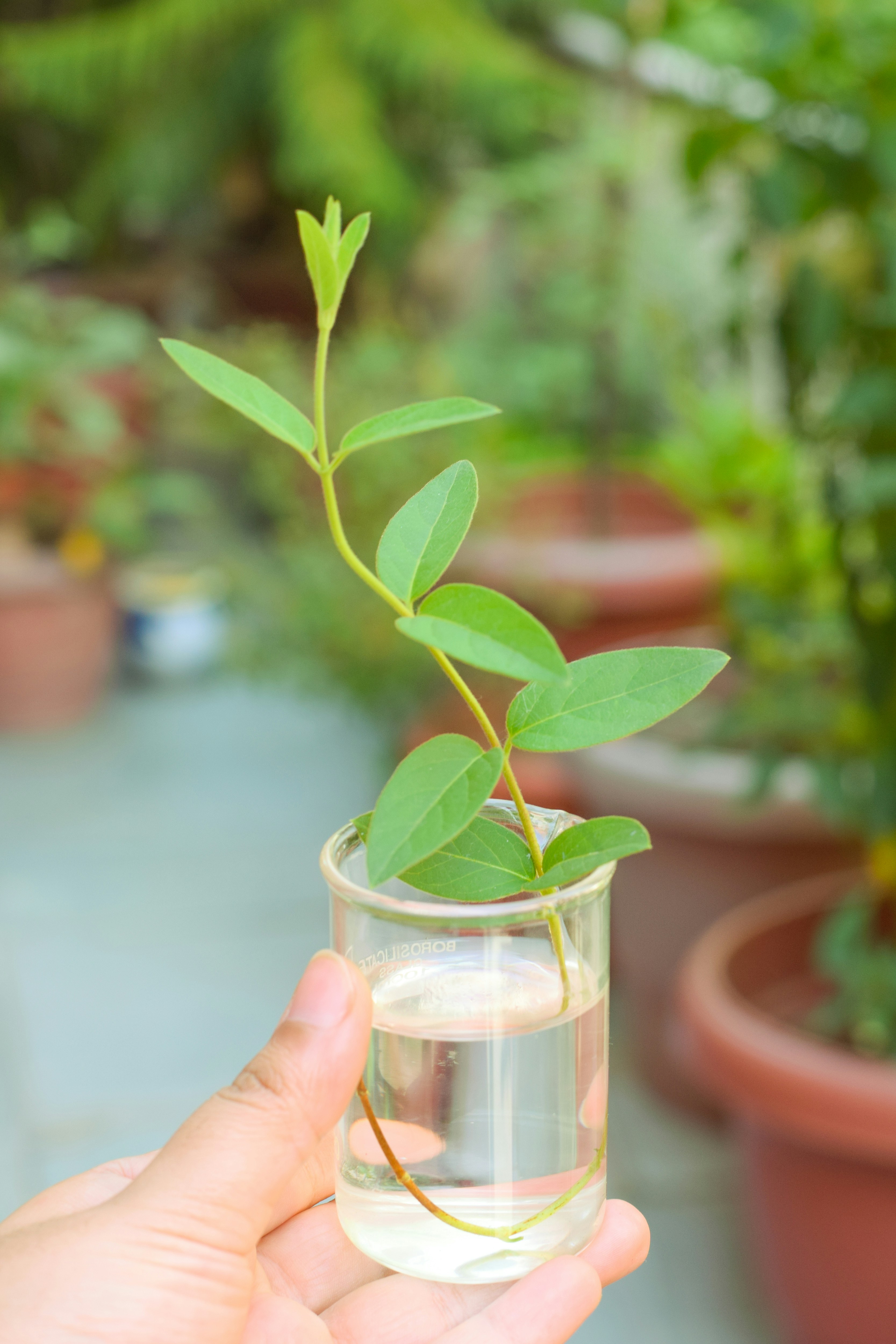
Understanding Plant Tissue Culture
Plant tissue culture refers to a collection of techniques used to maintain or grow plant cells, tissues, or organs in a sterile environment on a nutrient culture medium. This method plays a vital role in the fields of botany and agriculture as it allows for the mass propagation of plants while maintaining genetic integrity.
Through this technique, it is possible to produce identical plant clones, which is particularly useful for preserving desirable traits and genetic characteristics.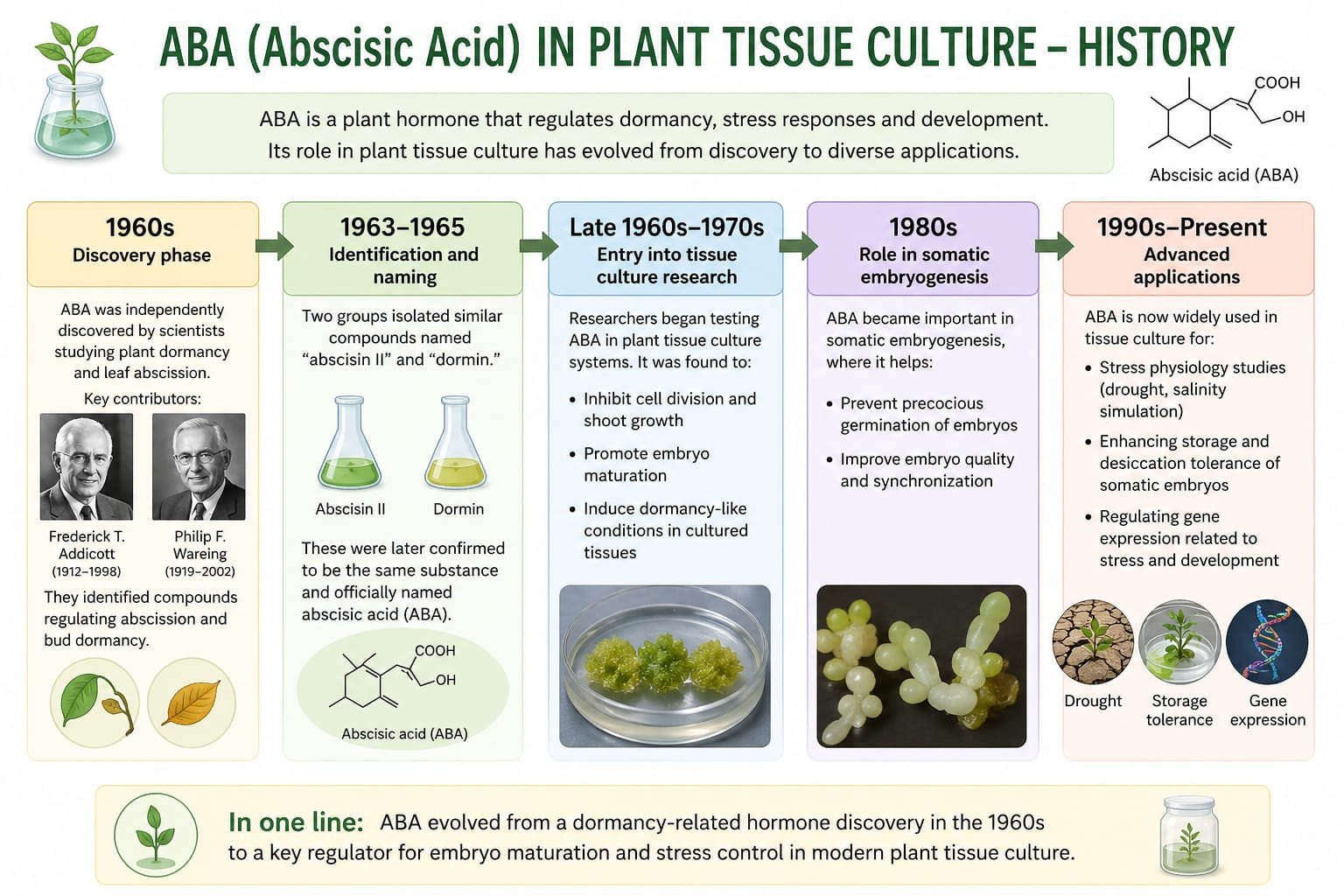
The fundamental process of plant tissue culture generally involves the selection of appropriate plant parts, such as seeds, stems, leaves, or roots, which are then sterilized to eliminate any microbial contaminations. These explants are subsequently placed in a culture medium containing essential nutrients, hormones, and vitamins to support growth. Various factors, such as light, temperature, and humidity, are carefully controlled to optimize conditions for plant development.
There are several types of tissues that can be cultured, including meristematic tissues and differentiated tissues. Meristematic tissues, which are responsible for the growth of new plant structures, have significant importance because they can regenerate into complete plants. Differentiated tissues, on the other hand, can be used to produce specific plant components like roots or shoots. This versatility underscores the significance of plant tissue culture in conserving endangered species, facilitating disease resistance, and improving crop yield.
The applications of plant tissue culture extend beyond mere propagation. It serves as a powerful tool for genetic conservation, allowing scientists to preserve genetic material from rare or endangered plant species. Additionally, advancements in tissue culture technology enable researchers to enhance plant characteristics, such as drought tolerance or pest resistance, thereby contributing to sustainable agricultural practices and food security.
What is ABA and Its Importance in Plant Development?
Abscisic acid (ABA) is a plant hormone that plays a pivotal role in various aspects of plant growth and development. Chemically, ABA is classified as a sesquiterpene and is known for its diverse functions in mediating responses to environmental stress. Its molecular structure, characterized by a cyclopentene ring and a long carbon chain, allows ABA to effectively interact with specific receptors within plant cells, thereby orchestrating a wide range of physiological responses.
One of the primary functions of ABA is the regulation of stomatal closure, which is crucial for maintaining water balance in plants. Under drought conditions, ABA accumulation in leaves signals the guard cells surrounding stomata to close, thereby reducing transpiration and conserving water. This response is vital for enhancing plant resilience during periods of water scarcity.
In addition to its role in water regulation, ABA is also integral to the plant stress response mechanism. It facilitates the adaptation of plants to stressful environmental conditions, such as salinity and extreme temperatures, by inducing the expression of numerous stress-responsive genes. This ability to activate protective pathways ensures that plants can survive and thrive despite adverse conditions.
Furthermore, ABA significantly influences seed dormancy and germination processes. It acts as a signaling molecule that promotes dormancy by inhibiting seed germination until the conditions are favorable for growth. This regulation ensures that seeds do not germinate prematurely, thereby enhancing their chances of survival in a variable environment.
The importance of ABA in plant development cannot be overstated. Its involvement in key physiological processes such as water regulation, stress responses, and seed dormancy highlights its critical role in plant health and productivity. Understanding ABA’s functions lays the groundwork for its application in plant tissue culture, where effective delivery methods can enhance plant regeneration and stress tolerance.
Mechanisms of ABA Delivery in Plant Tissue Culture
Abscisic acid (ABA) is a crucial plant hormone that plays a significant role in the regulation of various physiological processes, particularly under stress conditions. In the context of plant tissue culture, the delivery mechanisms of ABA can greatly influence the growth and development of cultured plant tissues. There are several methods employed to introduce ABA into the culture medium, with each technique having its advantages and specific applications.
One common method of ABA application is through liquid media. Researchers typically dissolve ABA in the culture medium, allowing for easy absorption by the plant tissues. This mode of application facilitates a uniform distribution of ABA, which can promote uniform growth responses among the cultured cells. Another effective method is the incorporation of ABA into solid substrates such as agar. This method is useful in situations where a slow release of ABA is desired, providing a prolonged exposure to the hormone essential for certain developmental stages.
The timing of ABA application during the various stages of tissue culture is critical for maximizing effectiveness. Phase-specific responses often dictate when ABA should be added; for example, applying ABA during the rooting phase may augment rooting success by mimicking the stress conditions that promote root formation. Moreover, the concentration of ABA is pivotal, as too low a concentration may not elicit the desired response while an excessively high concentration can inhibit growth and cause tissue damage. Researchers conduct extensive trials to determine optimal concentrations tailored to specific plant species and tissue types.
Overall, optimizing the delivery of ABA in plant tissue culture is essential for enhancing growth outcomes and ensuring successful micropropagation. The techniques and strategies implemented can vary widely depending on the target plants and desired results, showcasing the complexity and sophistication of plant tissue culture methodologies.
The Impact of ABA on Plant Tissue Culture Outcomes
Abscisic acid (ABA) has gained recognition as a critical component in enhancing the outcomes of plant tissue culture, driving significant advancements in the field. The integration of ABA in plant culture media has been shown to positively influence various physiological processes that are vital for plant development. One of the most notable effects of ABA is its role in improving growth rates, which is essential for the successful propagation of plant species in vitro.
Research has demonstrated that the presence of ABA in tissue culture systems facilitates optimal root and shoot development. Increased concentrations of ABA can lead to enhanced root formation, which is crucial for nutrient and water uptake in newly propagated plants. In addition, ABA promotes shoot proliferation, thereby contributing to an increase in regeneration efficiency—a particularly important aspect when dealing with recalcitrant species that are otherwise difficult to propagate.
Moreover, ABA’s influence on plant health cannot be overstated. It has been found to regulate stress responses, making plants more resilient to in vitro stressors such as drought and salinity. This stress response not only enhances the survival rates of cultured plants but also improves their adaptive capabilities once reintroduced to the field. Several case studies have illustrated the successful application of ABA in various plant species, proving its effectiveness in tissue culture settings. For instance, experimentation with orchids and medicinal plants has led to improved regeneration and the health of tissue-cultured plants, showcasing ABA’s vast potential within plant propagation methodologies.
In conclusion, the judicious application of ABA in plant tissue culture not only enhances growth rates but also fortifies the overall health and regeneration of plants. These findings point to a promising future for ABA in the improvement of tissue culture practices, thereby ensuring better outcomes in plant biotechnology.