
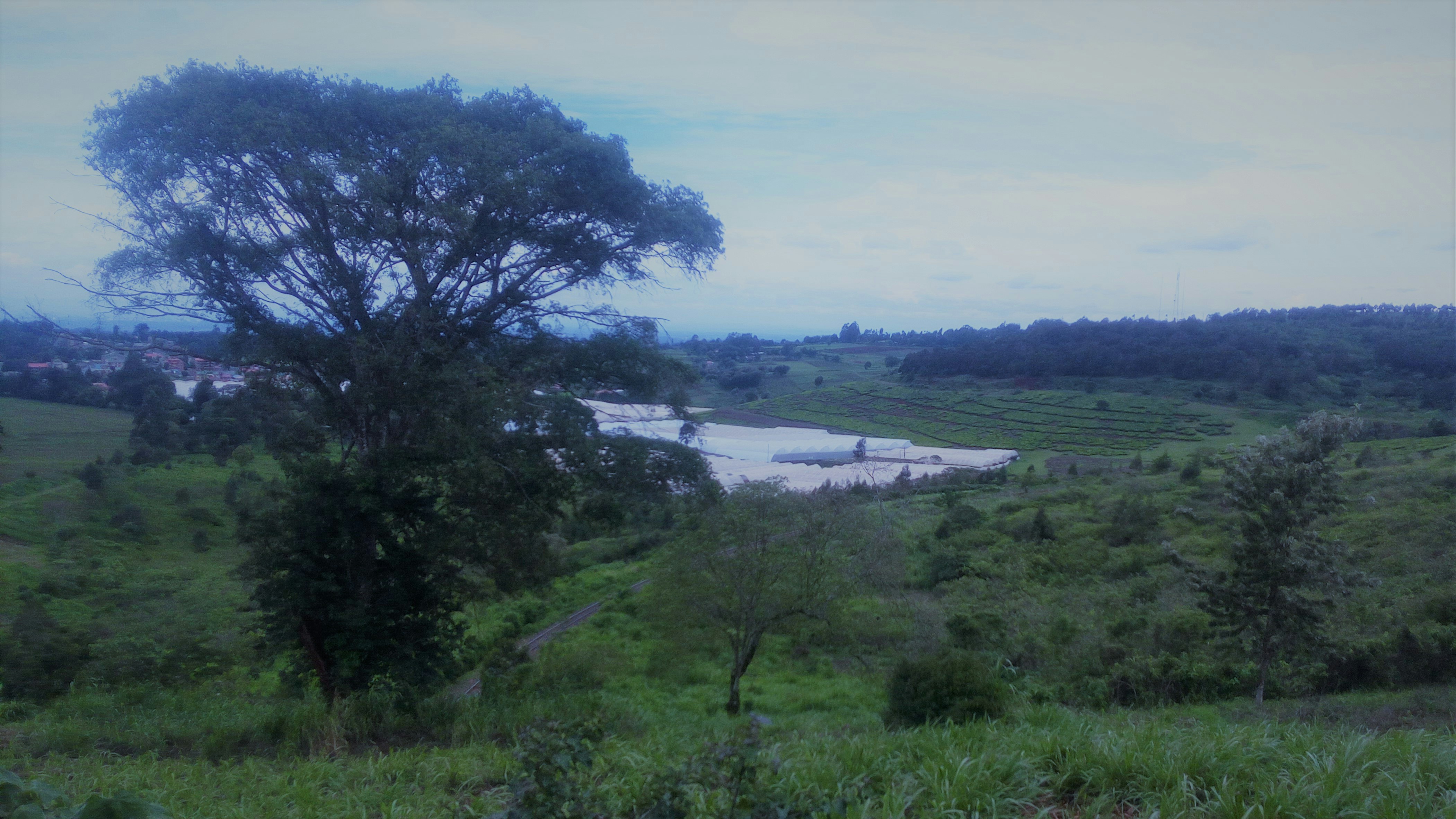
What is Landscape Ecology?
Landscape ecology is a multidisciplinary field that examines the interactions between spatial patterns and ecological processes. It focuses on understanding how these relationships impact both the environment and the organisms inhabiting it. By studying the arrangement of ecosystems, such as forests, wetlands, and urban areas, landscape ecologists can assess the effects of human activities and natural phenomena on biodiversity and ecosystem function.
The Importance of Landscape Ecology
This branch of ecology is crucial for several reasons. Firstly, it helps in the conservation of species by identifying crucial habitats and ecological corridors. These are areas necessary for wildlife movement and genetic exchange, particularly in fragmented landscapes. Secondly, landscape ecology contributes to sustainable land management practices, enabling us to balance development and conservation efforts. Understanding the spatial dynamics allows planners to create environments that support both human and wildlife needs.
Methods Used in Landscape Ecology
Landscape ecologists employ various tools and methodologies to study patterns and processes. Geographic Information Systems (GIS) and remote sensing provide valuable data for mapping landscapes and analyzing spatial relationships. Additionally, field studies and modeling techniques help ecologists predict ecological outcomes based on different landscape configurations. Through these methods, landscape ecology informs strategies to tackle challenges related to habitat loss, climate change, and urban expansion.