What are Seeds?
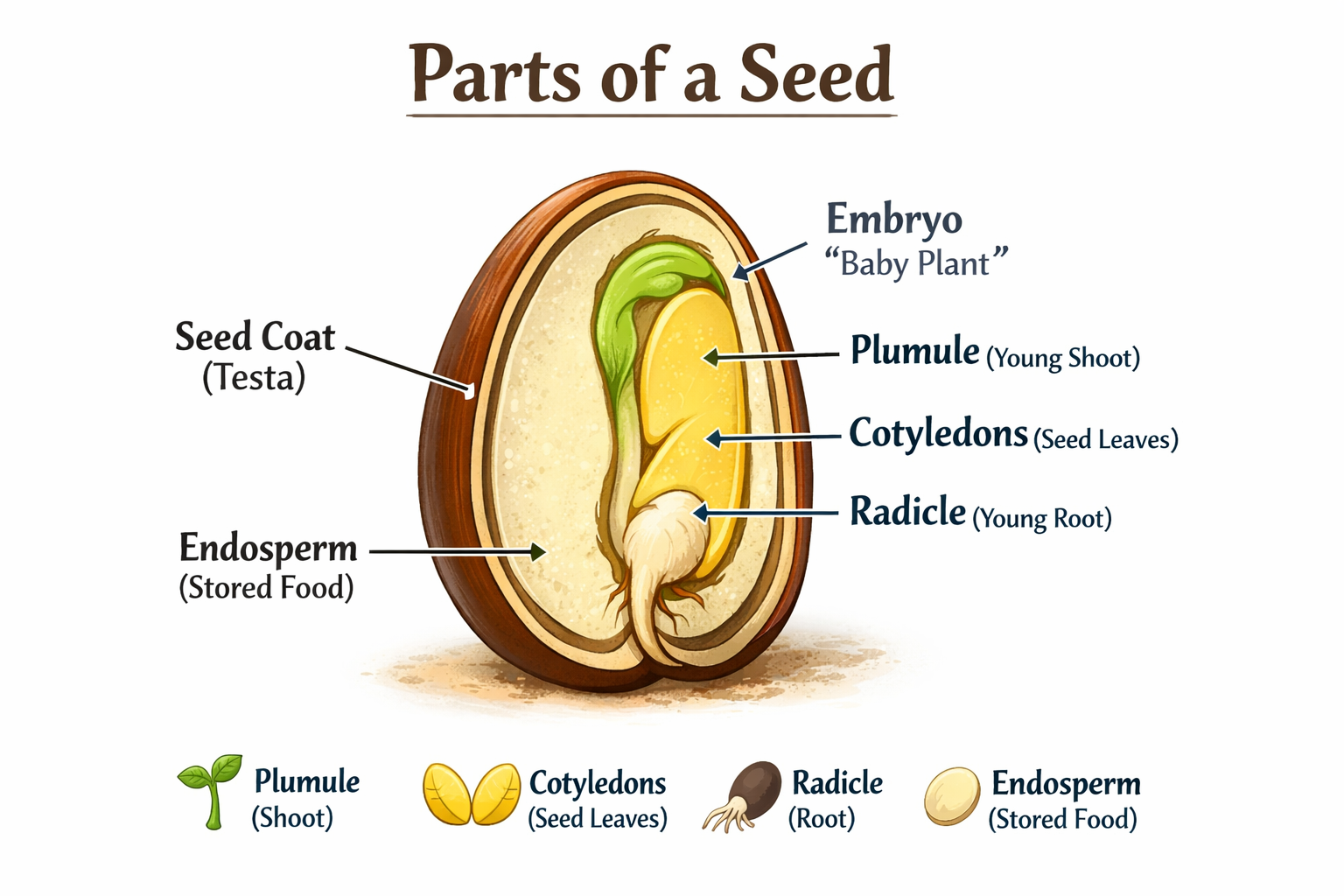
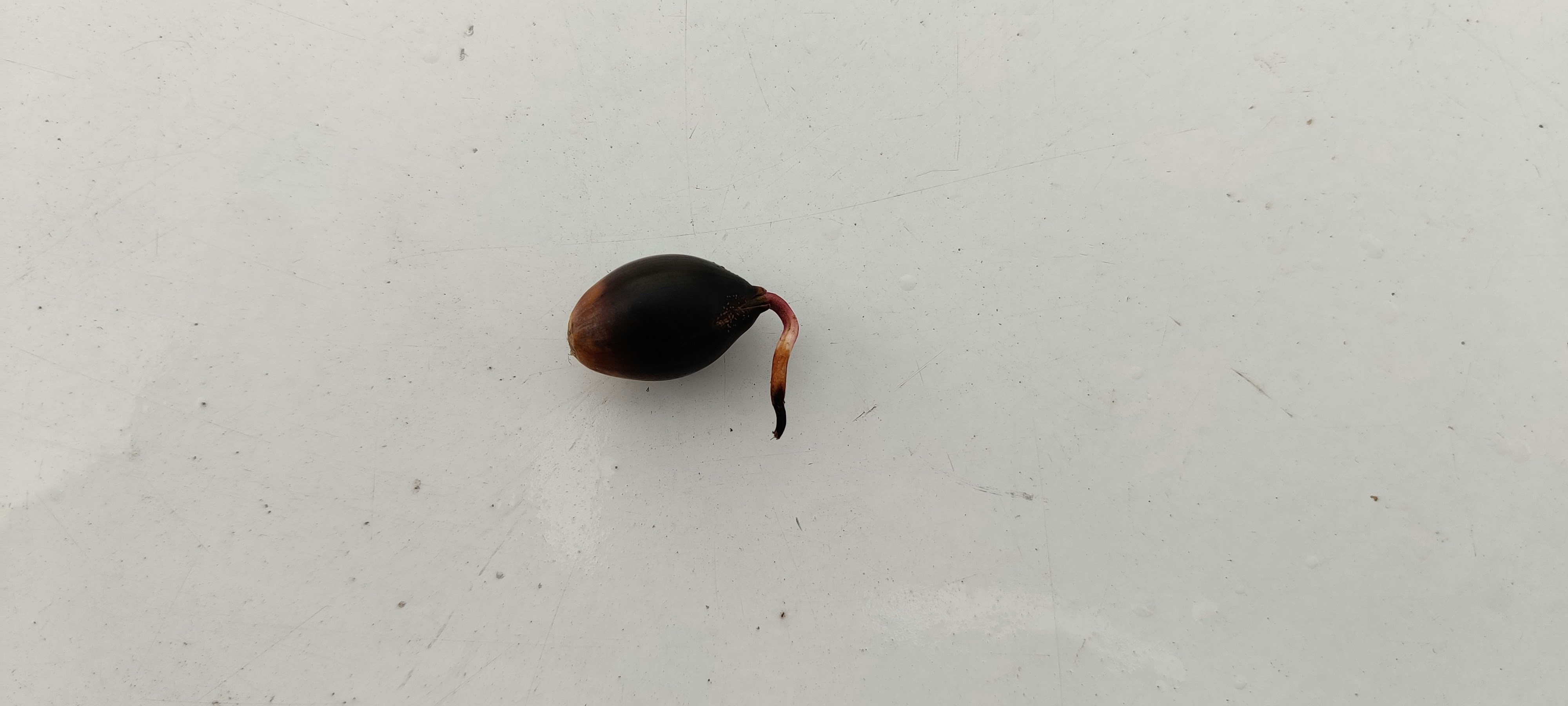
Seeds are the reproductive units of flowering plants and serve as a means of producing new plants. They contain the plant’s embryo and are packed with nutrients, providing the necessary resources for germination and initial growth. Seeds vary significantly in size, shape, and structure, depending on the plant species they originate from.
Components of a Seed
A typical seed comprises three main parts: the seed coat, the endosperm, and the embryo. The seed coat is the protective outer layer, shielding the inner contents from environmental factors. The endosperm, rich in starches and proteins, acts as a food source for the developing embryo. Finally, the embryo is the tiny plant that will grow once the seed germinates under the right conditions.
The Role of Seeds in Nature
Seeds play a crucial role in the life cycle of plants. They enable plants to reproduce and colonize new areas, ensuring species survival. Moreover, seeds are vital in maintaining ecological balance, as they provide food and habitat for various organisms, including insects, birds, and mammals. Understanding the significance of seeds is essential for appreciating plant biology and the ecosystems they inhabit.