
Introduction to Plant Stress Responses
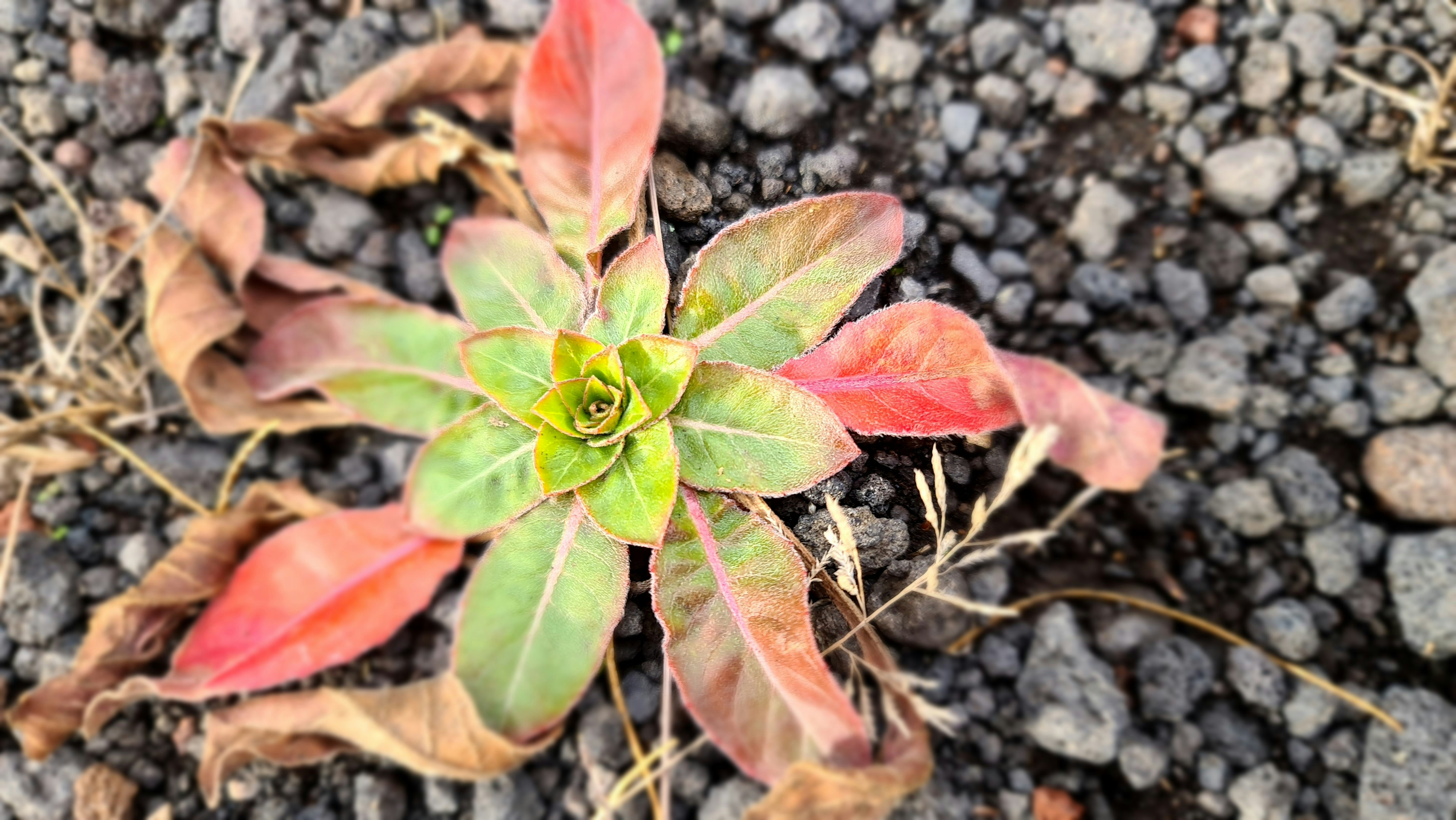
Plant stress refers to the adverse conditions that negatively impact the growth, development, and overall health of plants. Stressors can be categorized into two primary types: biotic and abiotic factors. Biotic stressors include any living organisms that can harm plants, such as pathogens, herbivores, and competitive weeds. These organisms create physiological challenges that the plant must overcome, often triggering defensive responses.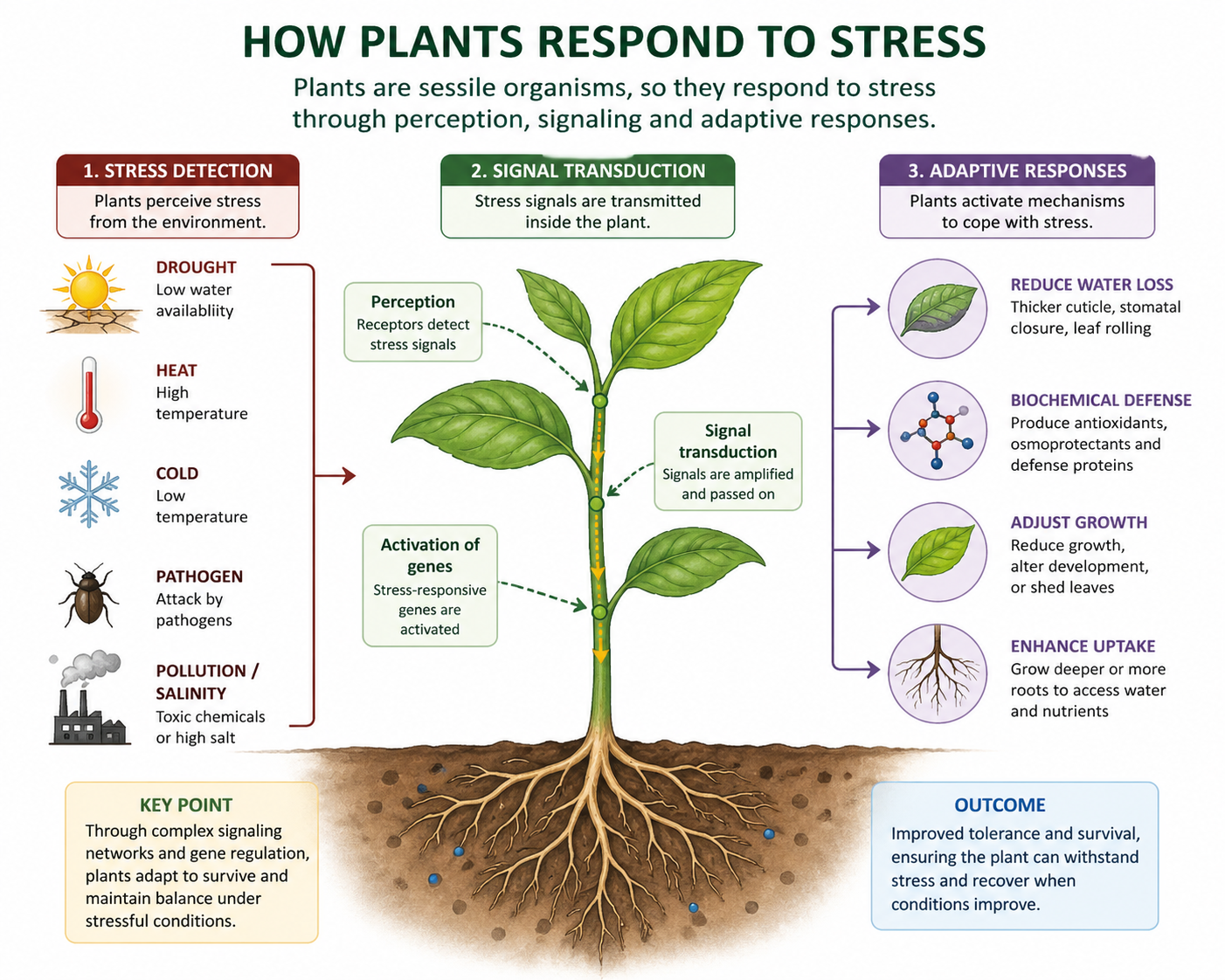
On the other hand, abiotic stressors encompass non-living environmental conditions that can impair plant health, including extreme temperatures, drought, salinity, and nutrient deficiencies. Each of these abiotic factors can disrupt plants’ metabolic processes, lead to cellular damage, and influence growth patterns. Understanding these stressors is crucial, as plants have developed various adaptive mechanisms to survive and thrive under adverse conditions.
Given the increasing threats posed by climate change and diminishing natural habitats, comprehending plant stress responses has become vital in both agriculture and conservation efforts. In agriculture, for instance, knowledge of how crops respond to different stressors enables farmers to implement strategies that enhance resilience, thereby ensuring food security. Additionally, understanding stress responses is essential for conservation biologists, as it aids in the preservation of endangered species and the maintenance of biodiversity. By applying this knowledge, strategies can be developed to restore habitats and protect plant species most vulnerable to specific stress conditions. Ultimately, investigating how plants respond to stress not only deepens our appreciation of their resilience but also has practical implications for sustainable practices in agriculture and conservation initiatives.
Types of Stress Affecting Plants
Plants face various forms of stress that can significantly impact their health, growth, and overall resilience. Understanding these stressors is crucial for effective cultivation and management strategies. One prominent type of stress is drought, which occurs when water availability is insufficient for a plant’s needs. Drought can lead to wilting, reduced photosynthesis, and, ultimately, plant death if the stress is prolonged. In response, many plants develop deep root systems or reduce leaf area to conserve water.
Salinity is another critical stressor, often arising in coastal regions or areas with poor drainage. High salt concentrations in the soil can disrupt water uptake and cause osmotic stress. This condition impacts nutrient absorption and can lead to stunted growth, chlorosis, and even necrosis in severe cases. Many plants have adapted to saline environments by evolving salt-excluding mechanisms or specialized salt glands to excrete excess salts.
Extreme temperatures can also affect plant health. Both excessive heat and cold can cause physiological stress. For instance, high temperatures may lead to heat stress, resulting in damaged cellular structures and impaired photosynthesis. Conversely, frost can damage tender tissues, particularly in sensitive plant varieties. To mitigate temperature stress, plants may enter a dormant state or develop protective mechanisms such as thickened cuticles or leaf adjustments.
Pests and diseases pose another significant threat to plant vitality. Insects, fungi, bacteria, and viruses can lead to physical damage and compromise a plant’s immune system. Infestations can result in nutrient depletion, reduced yield, and even death if not managed effectively. Resilient plants often exhibit tolerance through antimicrobial compounds or physical barriers such as thorns and trichomes, helping them withstand pest attacks and disease outbreaks.
In conclusion, comprehensively understanding the various stresses affecting plants—such as drought, salinity, extreme temperatures, pests, and diseases—is essential for improving plant resilience and ensuring sustainable agricultural practices.
Physiological Mechanisms of Stress Response
Plants, as sessile organisms, have evolved various physiological mechanisms to respond to environmental stresses such as drought, salinity, and extreme temperatures. These adaptations involve a complex interplay of biochemical pathways and physiological changes aimed at maintaining homeostasis and ensuring survival.
One of the primary physiological responses to stress is the alteration of hormone levels within the plant system. Stress conditions often trigger the production of abscisic acid (ABA), a hormone that plays a crucial role in regulating plant responses. ABA promotes stomatal closure to reduce water loss through transpiration, thereby aiding the plant in conserving water during drought conditions. Additionally, other hormones like ethylene and jasmonic acid may be involved, particularly in defense against biotic stresses, such as pathogens or herbivores, thereby highlighting the multifaceted nature of plant stress responses.
Stomatal regulation is another critical physiological adjustment. The stomata are small openings on the leaf surface that facilitate gas exchange necessary for photosynthesis and respiration. Under stress, plants can respond by closing these stomata, which limits carbon dioxide intake but also helps in minimizing water loss. This physiological regulation serves as a temporary adjustment to cope with adverse conditions while conserving resources.
Furthermore, stress affects photosynthesis and transpiration rates. Under extreme conditions, chlorophyll synthesis may be impaired, leading to reduced photosynthetic efficiency. This adaptation serves to regulate energy production in response to environmental changes. Simultaneously, transpiration rates can decrease significantly to mitigate water loss, thereby influencing not only the overall growth and health of the plant but also its ability to photosynthesize effectively.
In summary, understanding the physiological mechanisms through which plants respond to stress provides insight into their resilience and adaptive strategies. Further research into these processes enhances our knowledge of plant biology, which is essential for developing stress-resistant crop varieties in an era of global climate change.
Molecular and Genetic Responses to Stress
Plants encounter a myriad of environmental challenges that can induce stress, leading to adverse effects on their growth and development. To withstand these challenges, they exhibit remarkable molecular and genetic resilience. Central to this capability are stress-responsive genes that play pivotal roles in the plant’s ability to adapt to various stressors, such as drought, salinity, and extreme temperatures.
| Category | Key Components | Description / Function | Examples / Notes |
|---|---|---|---|
| Environmental Stress Factors | Abiotic & Biotic stresses | External conditions that negatively affect plant growth and development | Drought, salinity, extreme temperatures, pathogens |
| Stress Perception | Receptors | Plants detect stress signals through specific cellular receptors | Membrane-bound sensors recognize environmental changes |
| Signal Transduction | MAPK Cascades | سلسلة signaling pathways that transmit stress signals داخل الخلية | Mitogen-Activated Protein Kinase pathways amplify signals |
| Secondary Messengers | ROS (Reactive Oxygen Species) | Act as signaling molecules to propagate stress responses | H₂O₂, superoxide radicals |
| Gene Activation | Stress-responsive genes | Genes activated under stress conditions to help النباتات adapt | Encode protective proteins and enzymes |
Adaptation Strategies in Plants
Plants possess remarkable resilience and employ various adaptation strategies to respond to stressors in their environment. These strategies allow them to survive and thrive in conditions that may be detrimental to their growth and overall health. One primary adaptation involves morphological changes, which can alter the physical structure of a plant. For instance, during periods of drought, some plants develop deeper root systems to access water located further underground. Similarly, leaves may become smaller or thicker to reduce water loss through transpiration.
Beyond morphological changes and growth alterations, plants also develop specific stress tolerance mechanisms. For example, when exposed to high salinity levels, many plants accumulate osmoprotectants—molecules that help to mitigate cellular damage and maintain osmotic balance. Additionally, some plants synthesize protective proteins and antioxidants that scavenge free radicals generated during stress, thereby safeguarding their cellular integrity.
Furthermore, the ability of plants to respond to biotic stress, such as pest attacks, involves activating defense mechanisms. These mechanisms can include the release of volatile organic compounds that attract natural enemies of pests or the production of secondary metabolites that can deter herbivory. Such adaptive strategies highlight the dynamic ways in which plants interact with their environment, ensuring their survival despite various challenges.
The Role of Stress in Plant Evolution
Throughout the course of evolutionary history, stress has played a pivotal role in shaping the development and diversity of plant species. Environmental challenges such as drought, extreme temperatures, and soil nutrient deficiencies act as selective pressures that force plants to adapt in order to survive and reproduce. These adaptations are not only crucial for individual survival but also contribute significantly to overall biodiversity.
Human Impact on Plant Stress Responses
The interaction between humans and the environment has intensified over the past century, profoundly affecting plant stress responses. Factors such as climate change, urbanization, and specific agricultural practices contribute significantly to the stress that plants experience. Climate change, characterized by rising temperatures, altered precipitation patterns, and increased frequency of extreme weather events, creates a hostile environment for many plant species. As these climatic conditions become more extreme, plants can become less resilient, leading to reduced growth and reproductive success.
Urbanization presents additional challenges to plant health by replacing natural habitats with concrete infrastructures. Urban heat islands contribute to temperature fluctuations, making it harder for plants to adapt and thrive. The pollution associated with urban environments can also hinder plant physiological processes, leading to stunted growth and increased susceptibility to pests and pathogens. The expansive development of cities often reduces biodiversity, compromising ecosystems and diminishing the natural resilience of the surrounding vegetation.
Agricultural practices often exacerbate the stress on plants through the use of chemical fertilizers, pesticides, and monoculture systems. These methods can lead to soil degradation and reduced soil health, further compromising plant growth and health. Understanding the stress responses of plants in these settings is critical for developing more sustainable agricultural practices. For instance, integrating crop rotation and organic farming techniques could enhance the resilience of plants, allowing them to better cope with stressors.
By gaining insights into how plants respond to human-induced stress, we can promote better land management practices, foster biodiversity, and mitigate adverse effects associated with climate change and urban development. The awareness of these anthropogenic factors is essential for informed decision-making that supports plant resilience in an ever-changing world.
Strategies for Managing Plant Stress in Agriculture
Understanding how plants respond to stress is pivotal for enhancing agricultural resilience and productivity. Implementing effective strategies to manage plant stress can significantly improve crop yield and sustainability. The first approach involves breeding for stress-resistant varieties. Selective breeding focuses on enhancing traits that enable plants to withstand environmental challenges such as drought, salinity, and extreme temperatures. This practice not only reduces the need for external inputs but also promotes longevity in crop performance under adverse conditions.
Another critical strategy is the use of effective irrigation practices. Efficient water management is essential in minimizing stress caused by drought or excessive moisture. Techniques such as drip irrigation conserve water by delivering it directly to the plant roots, thus reducing evaporation and runoff. Timely irrigation scheduling, based on weather forecasts and soil moisture levels, aids in providing plants with optimal water supply, enhancing their resilience against both drought and waterlogging stresses.
Additionally, pest management techniques play a vital role in alleviating stress on plants. Integrated Pest Management (IPM) combines biological control, habitat manipulation, and the use of resistant plant varieties to mitigate pest populations while minimizing environmental impact. Regular monitoring of pest levels and employing targeted control measures ensures plants remain healthy, thereby reducing stress induced by pest infestations.
Ultimately, by incorporating these strategies—breeding for resilience, refining irrigation methods, and adopting comprehensive pest management approaches—farmers can better equip plants to adapt and thrive amid fluctuating environmental conditions. Such measures not only enhance resilience but also offer a pathway towards sustainable agricultural practices, benefiting food security and ecosystem health.
Conclusion and Future Directions
Understanding how plants respond to stress is crucial for both ecological sustainability and agricultural productivity. Plants exhibit remarkable resilience and adaptability when faced with various stressors, including drought, salinity, and extreme temperatures. Through intricate physiological and biochemical pathways, they can modify their growth patterns, activate stress-responsive genes, and employ protective mechanisms such as producing secondary metabolites. This natural resilience underscores the importance of continued research aimed at unraveling the complexities of plant stress responses.
As we look to the future, several key areas warrant further exploration. One significant aspect is the role of plant-microbe interactions in enhancing stress resilience. Microbial communities in the soil can provide plants with essential nutrients and play a crucial role in mitigating stress effects. Understanding these symbiotic relationships could lead to innovative agricultural practices that boost crop resilience without relying heavily on chemical inputs.
Another area of interest should be the genetic and epigenetic factors that underpin plant resilience. Advances in genomic technologies and CRISPR gene-editing tools offer unprecedented opportunities to investigate and potentially enhance stress tolerance in various plant species. Identifying specific pathways and gene targets responsible for these adaptations could revolutionize crop engineering, making plants more resilient to climate change.
Finally, exploring the impact of climate change on plant stress responses will be vital. As environmental conditions continue to evolve, understanding how plants adapt—or fail to adapt—will inform conservation efforts and sustainable agricultural practices. Continuous research will bridge gaps in knowledge and lead to more robust plant varieties capable of thriving under increasingly challenging conditions. The pursuit of this knowledge is vital for ensuring food security and environmental health in our changing world.