
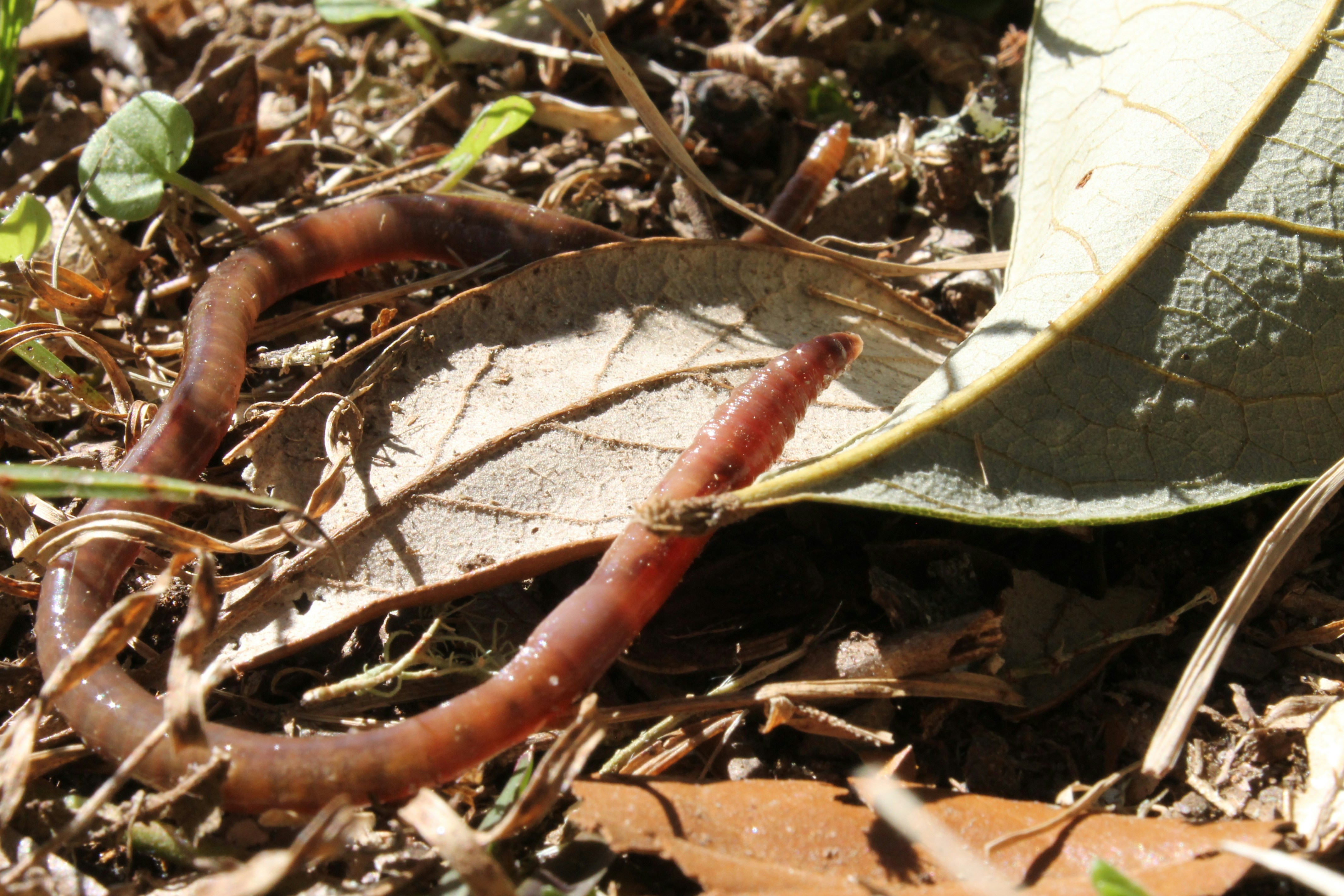
Introduction to Helminths
Helminths are a diverse group of parasitic worms that belong to the kingdom Animalia, primarily classified into two significant categories: flatworms and roundworms. Flatworms encompass two main groups: trematodes, commonly known as flukes, and cestodes, or tapeworms. In contrast, roundworms are classified under the phylum Nematoda, which is known for its diverse range of species. The various characteristics and life cycles of helminths allow them to adapt to specific environments and hosts, making them successful parasites.
Globally, helminths pose a significant health challenge, affecting millions of people and animals each year. It is estimated that billions of individuals are infected with these parasites, especially in areas with poor sanitation, inadequate healthcare systems, and limited access to clean water. Helminths thrive in various environments, ranging from soil to contaminated water sources, and they can also reside within the bodies of their hosts, including humans, domesticated animals, and wildlife. The prevalence of helminth infections is particularly notable in tropical and subtropical regions, where climatic conditions are conducive to their life cycles.
The study of helminths is critical due to their impact on both human and animal health. These organisms can cause a range of diseases, leading to nutritional deficiencies, growth impairments, and complications that can be debilitating in nature. Understanding helminth biology, transmission methods, and host interactions is vital for developing effective prevention and treatment strategies. Research in this field not only helps mitigate health risks but also contributes to broader public health initiatives aimed at controlling parasitic infections. Therefore, a comprehensive understanding of helminths is necessary to promote healthier environments and improve well-being around the globe.
Life Cycle and Transmission of Helminths
Helminths exhibit complex life cycles that often involve multiple hosts and various developmental stages. These parasitic worms can utilize diverse transmission routes to infect their hosts, ensuring their survival and reproduction. The life cycles of helminths can generally be categorized into two main types: direct and indirect. In direct life cycles, the helminth can complete its development within a single host. Contrastingly, indirect life cycles involve intermediate hosts, which facilitate the parasite’s transition to the definitive host where it reaches maturity.
The transmission of helminths occurs through several pathways. Contaminated food and water are primary sources through which these parasites can enter the human body. For example, ingestion of undercooked fish contaminated with larval stages can lead to significant infections. Soil-transmitted helminths, such as hookworms and roundworms, are often acquired through direct contact with contaminated soil, particularly in regions lacking adequate sanitation. This route emphasizes the importance of hygiene and sanitation in the prevention of helminthic infections.
Once inside the host, helminths undergo various developmental stages. Initially, the larvae may remain asymptomatic, allowing them to thrive without causing immediate harm. However, as the infection progresses, symptoms may emerge, which can range from mild gastrointestinal discomfort to severe complications. Symptomatic infections usually arise when the worm burden increases or when specific organs are affected. Adaptations in the life cycles of helminths, such as the capability to evade host immune responses and the ability to produce numerous offspring, significantly enhance their chances of survival in diverse environments.
Health Impacts and Symptoms of Helminth Infections
Helminths, also known as parasitic worms, have a significant impact on human health, particularly in vulnerable populations across the globe. Individuals infected with helminths often experience a range of health issues attributed to their parasitic lifestyle. Among the most common symptoms are malnutrition and gastrointestinal complications, which arise from the worms competing with their hosts for nutrients. This competition can lead to deficiencies in essential vitamins and minerals, resulting in stunted growth and developmental delays in children, as well as muscle wasting in adults.
Gastrointestinal disturbances commonly reported include abdominal pain, diarrhea, and bloating. These symptoms can vary based on the type of helminth involved; for instance, roundworms may cause more significant obstruction while tapeworms might lead to weight loss. Furthermore, chronic helminth infections can induce fatigue and weakness as a result of the body’s constant effort to handle the parasitic load and combat inflammation.
The immune response is another aspect significantly influenced by helminth infections. Research indicates that chronic infections can modulate the immune system, leading to decreased responsiveness to other pathogens. This phenomenon can result in increased susceptibility to various diseases, thus exacerbating the overall health burden on affected individuals.
Particularly at risk are populations in developing countries, where inadequate sanitation and limited access to healthcare services contribute to higher infection rates. In these regions, children are especially susceptible due to their immature immune systems and increased likelihood of exposure to contaminated food and water sources. Therefore, addressing helminth infections is critical not only for immediate symptom management but also for enhancing long-term health outcomes in these vulnerable communities.
Prevention, Treatment, and Ecological Role of Helminths
Helminth infections pose significant health challenges globally, necessitating effective prevention and treatment strategies. Public health initiatives play a crucial role in reducing the prevalence of these parasitic worms. Strategies include education about hygiene and sanitation, promoting proper food handling practices, and enhancing access to clean water. Regular screening and mass treatment in high-risk populations have shown to be effective in controlling infection rates. Medications such as albendazole and praziquantel are commonly prescribed to eliminate these parasites from the infected host, and they have been shown to be highly effective in treating various helminth infections.
Research also indicates a growing interest in the ecological roles that helminths play within their environments. As parasites, they contribute to regulating host populations and can influence the distribution of their hosts, thus impacting ecosystem dynamics. For instance, helminths can affect the health of herbivore populations, potentially causing cascading effects on plant communities and nutrient cycling. The presence of helminths can also shape species diversity, as certain species may thrive in environments where helminth populations are regulated.
Furthermore, emerging research suggests potential benefits of certain helminths in human health, particularly concerning autoimmune diseases and allergies. The hygiene hypothesis posits that decreased exposure to parasites may contribute to the rise in these conditions in developed countries. Some studies advocate for the therapeutic use of specific helminths to modulate immune responses, offering a novel approach to manage conditions linked to immune dysregulation. This highlights the dual nature of helminths, functioning as both harmful parasites and potentially valuable components of their ecosystems, as well as in developing new treatment paradigms for various health conditions.