Understanding Plant Breeding: A Comprehensive Guide

three green leaf potted vegetables

Introduction to Plant Breeding Plant breeding is a scientific practice that involves the manipulation and selection of plant species to produce desired traits. This intricate process has been a cornerstone of agriculture for thousands of years, evolving from ancient selective cultivation methods to modern genomic technologies. Its historical context dates back to early agricultural societies … Read more

Major Scientific Advancements in Various Fields Over the Last 200 Years

Introduction to Scientific Advancements The past two centuries have witnessed remarkable scientific advancements that have dramatically reshaped our comprehension of both the universe and life. Beginning in the early 19th century, the pursuit of knowledge in various scientific disciplines initiated a transformative journey, enabling humanity to harness nature’s secrets and apply them for progress. This … Read more

Navigating the Intersection of Climate Change, the Energy Crisis, and Agriculture

Understanding Climate Change and Its Impact on Agriculture Climate change represents one of the most significant challenges of our time, characterized primarily by long-term alterations in temperature, precipitation, and other atmospheric conditions. The primary driver of contemporary climate change is an increase in greenhouse gas concentrations in the atmosphere, chiefly due to anthropogenic activities such … Read more

Three days hands on workshop on Genomic analysis

First Days Webinar Recording   Day  2 Day 3 Workshop Announcement: Faculty of Agricultural Sciences University of the Punjab Lahore Pakistan Hands-on online Workshop on “Genomic Analysis” Date: 11-13 October 2024 Time: 10:00 AM – 12:00 PM (Pakistan Time) Get Ready to Analyze! Welcome to the future of science where we leverage computers to unravel … Read more

Recent Advances in Molecular Plant Science: A Comprehensive Review

Introduction Molecular plant science encompasses a multidisciplinary field that integrates molecular genetics, genomics, and biochemistry to enhance our understanding of plant biology. By examining the molecular mechanisms governing plant development and responses to environmental stimuli, researchers can uncover the intricate processes that define plant functioning. This field plays a vital role in confronting some of … Read more

Diversity of Wild Olive in Pakistan

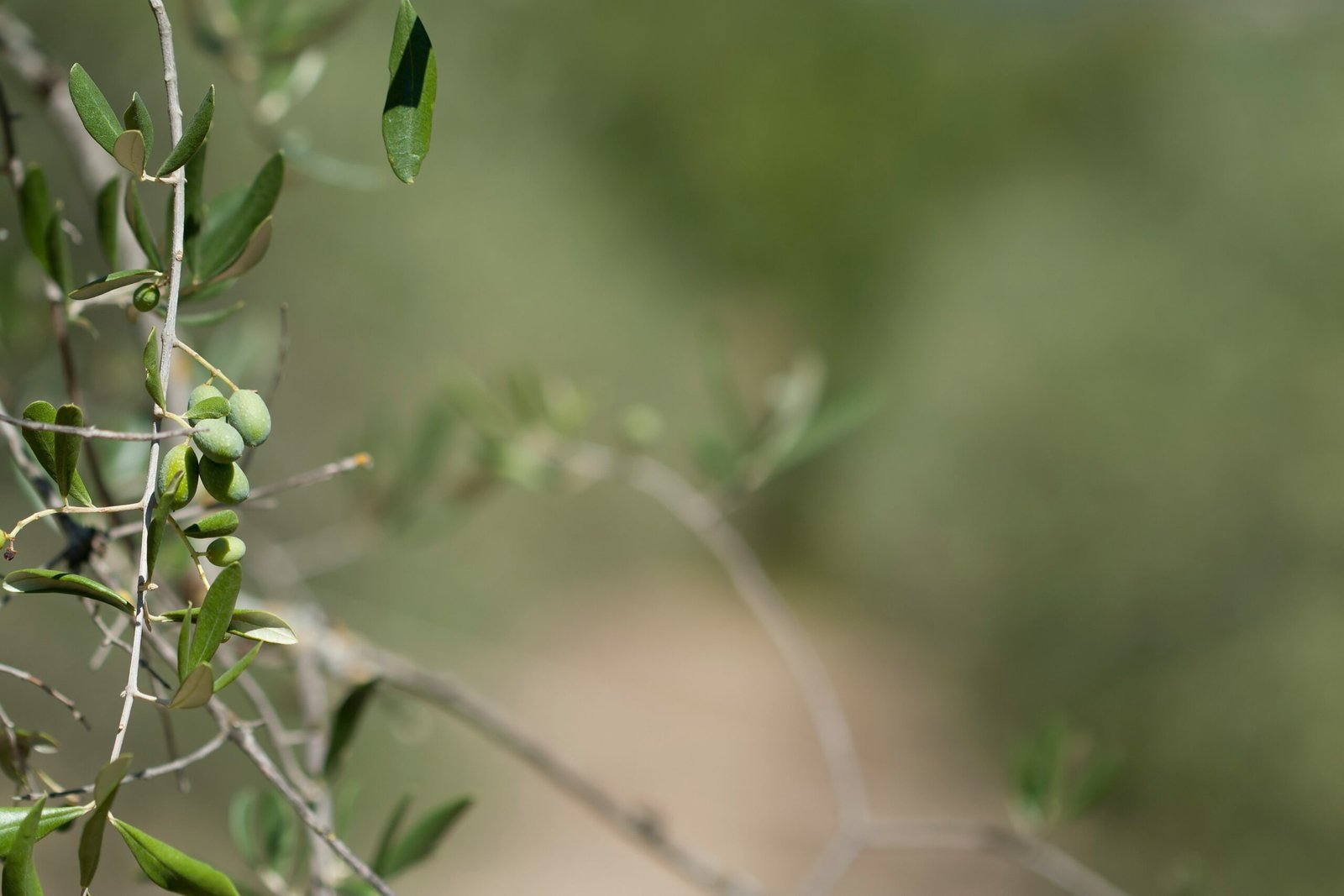
A close up of a tree branch with green leaves

Introduction to Wild Olive The wild olive, scientifically classified as Olea europaea subsp. cuspidata, plays a crucial role in the flora of Pakistan, contributing not only to the country’s biodiversity but also to its local cultures and ecosystems. This subspecies of the olive tree is notable for its resilience and adaptability to the varied climatic … Read more

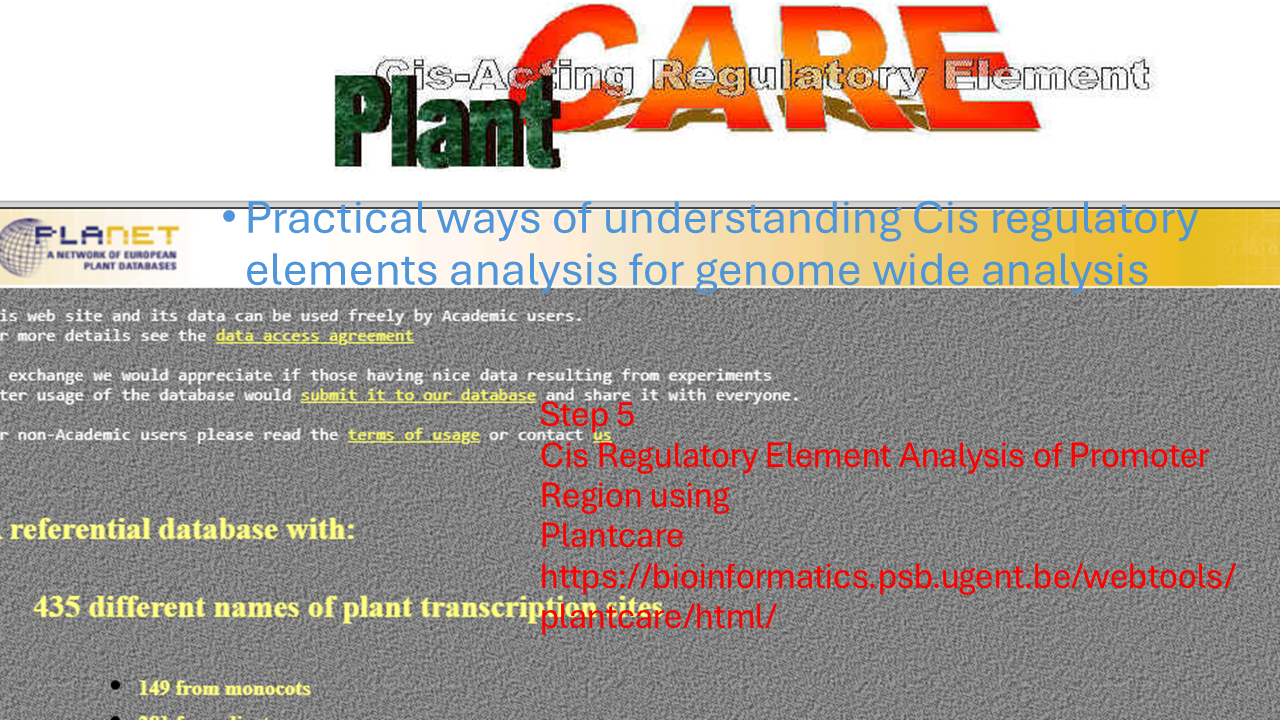
Step 5 Cis Regulatory Element Analysis of Promoter Regions

Introduction to Cis Regulatory Elements and Promoter Regions Cis-regulatory elements (CRE) are crucial components of the genomic architecture that play significant roles in regulating gene expression. These non-coding DNA sequences are located near the promoters of genes and are key in determining when and where a gene is expressed. Their function hinges on the intricate … Read more

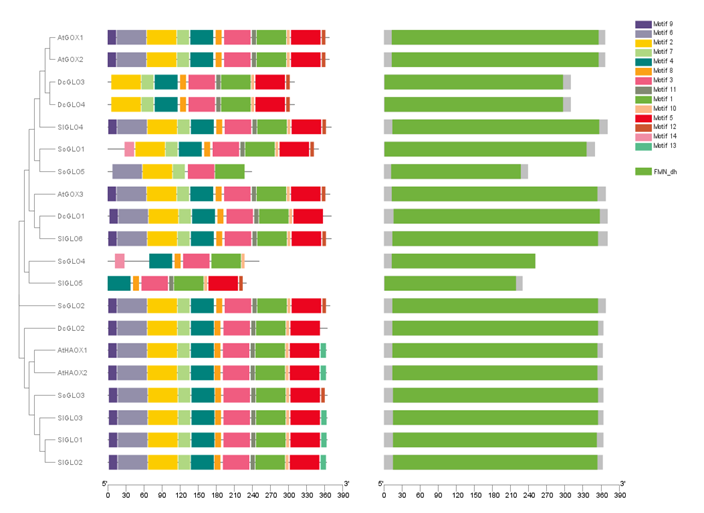
Step 3 Motif and Domain Analysis in Genome-Wide Analysis of Gene Families

Step 3 Motif and Domain Analysis in Genome-Wide Analysis of Gene Families Introduction to Gene Families Gene families are crucial components of genomic organization, representing clusters of related genes that have originated from a common ancestral gene through the processes of duplication and divergence. The formation of these families occurs primarily via mechanisms such as … Read more

Analysis of Chlorophyll and Carotenoid Content in Plants

man holding brown leather bag leaning on white wall

Introduction to Chlorophyll and Carotenoids Chlorophyll and carotenoids are essential pigments found in plants, playing critical roles in photosynthesis and overall plant health. Chlorophyll, primarily recognized in two forms – chlorophyll a and chlorophyll b – is responsible for absorbing light energy, predominantly in the blue and red wavelengths, while reflecting green light, giving plants … Read more