Micro RNA and their role in Gene Regulation
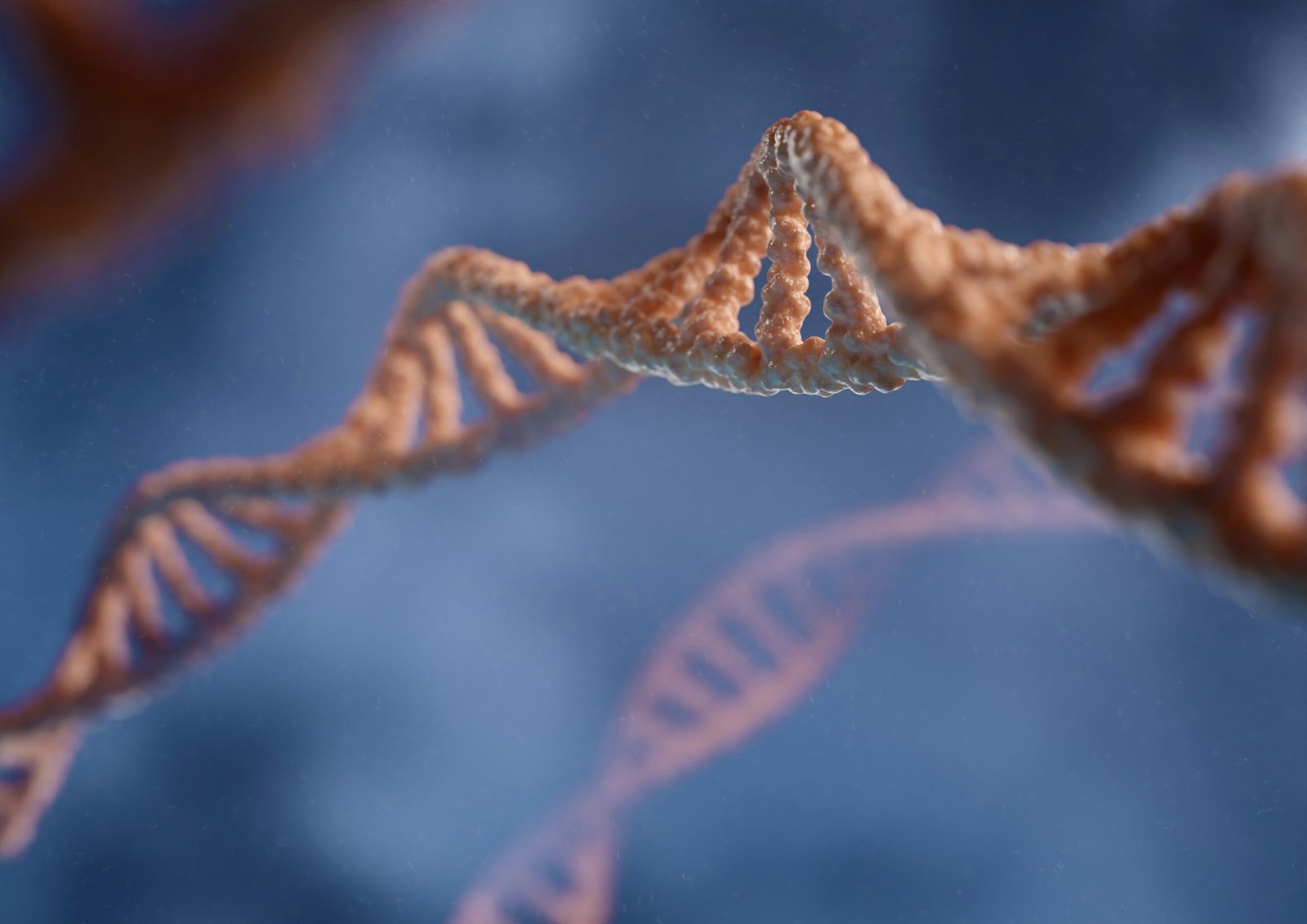
What is MicroRNA? MicroRNA (miRNA) is a class of small, non-coding RNA molecules found inĀ  animals, plants and viruses. They play an important role in regulating gene expression, making them pivotal for numerous biological processes. Typically 21-25 nucleotides long, miRNAs bind to messenger RNA (mRNA) and inhibit its translation into proteins, thus influencing cellular function. … Read more


What is Horticulture

a tree filled with lots of purple and green flowers

What is Horticulture? Horticulture is a branch of agriculture that focuses on the production, harvesting and marketing of plants, including fruits, vegetables, nuts, seeds, herbs, sprouts, mushrooms, algae, and non-food crops such as flowers, seaweeds, and trees. This field encompasses various practices aimed at improving plant growth, enhancing the quality of produce, and managing landscapes. … Read more

Post-Translational Modifications

A pile of fruit sitting on top of a wooden table

Post-Translational Modifications (PTM) Post-translational modifications (PTM) are major biochemical processes that occur take place afetr protein synthesis. They involve the chemical alteration of a protein molecule, influencing its function, localization, and stability. These modifications can be as simple as the addition of a phosphate group or as complex as glycosylation, whereby sugars are attached to … Read more

What is Transcription Factors

white and gray concrete staircase

What Are Transcription Factors? Transcription factors are essential proteins that regulate the transcription of specific genes by binding to cis regulatory elements present in the promoter region of the gene. They play an important role in cellular processes by influencing which genes are turned on or off in response to various signals. Understanding transcription factors … Read more

Understanding Gene Transcription: The Key to Gene Expression

a close up of a structure with a blue background

What is Gene Transcription? Gene transcription is a fundamental biological process that serves as the initial step in gene expression, wherein the information encoded in DNA is transcribed into messenger RNA (mRNA). This process is vital for translating genetic data into functional proteins, thereby influencing various cellular functions and activities. The transcription mechanism is intricately … Read more

Physics From Classical to Quantum

white and black labeled pack

Introduction to Physics Physics, as a fundamental natural science, encompasses the study of matter, energy, and their intricate interactions. This discipline serves as the cornerstone for numerous scientific advancements and technological innovations. By formulating universal laws and principles, physics enables us to comprehend the various phenomena occurring in our universe, from the minuscule particles that … Read more

International Seminar on Urban Horticulture for a sustainable future,

International seminar on Urban Horticulture for sustaiable future

About the Seminar We are excited to announce the International Seminar on Urban Horticulture for a sustainable future, scheduled for October 10, 2024, at the Department of Horticulture, University of the Punjab, Lahore, Pakistan. This seminar aims to promote discussions and solutions related to sustainable urban horticulture practices. For Registration and Further information https://forms.gle/VmYt5rCHnu3HUv8p8 Expert … Read more

Central Dogma of Molecular Biology: From Stimulus to Gene Expression

a blue and white train traveling past a tall building

Introduction to the Central Dogma The Central Dogma of Molecular Biology is a foundational concept that describes the flow of genetic information within a biological system. This framework primarily illustrates how DNA, the genetic material, is transcribed into RNA and subsequently translated into proteins, which are crucial for the structure and functioning of living organisms. … Read more

The Interplay of Science, Logic, Intelligent Learning, and Artificial Intelligence

Understanding Science: The Systematic Study of the Natural World Science serves as a structured approach to exploring and comprehending the natural world, employing established methodologies that rely on observation and experimentation. The foundation of scientific inquiry lies in making careful observations, which allows researchers to identify patterns and phenomena in both familiar and unfamiliar contexts. … Read more

Understanding Today’s Key Challenges Through Scientific Principles

a porsche dealership with cars parked in front of it

Introduction to Scientific Principles Scientific principles form the foundation of our understanding of the natural world and are integral in navigating the many challenges that society faces today. At their core, scientific principles refer to the systematic methodologies and frameworks used to investigate and analyze phenomena. These principles enable researchers and practitioners to develop hypotheses, … Read more