The Benefits and Advantages of Drip Irrigation

body of water under cloudy sky during sunset

Introduction to Drip Irrigation (DI) Drip irrigation (DI) is an important method that involves the precise delivery of water directly to the plant roots. DI significantly reduces water loss due to evaporation and runoff. Historically, irrigation practices have evolved from traditional flood irrigation methods to more sophisticated techniques, with the inception of drip irrigation dating … Read more

Organic Farming: Cultivating a Sustainable Future

A pile of fruit sitting on top of a wooden table

Understanding Organic Farming Organic farming is a holistic agricultural approach that emphasizes sustainability, environmental stewardship, and the health of ecosystems. At its core, organic farming is defined by its commitment to cultivating crops and raising livestock without the use of synthetic fertilizers, pesticides, or genetically modified organisms (GMOs). This vital agricultural practice focuses on maintaining … Read more

Physicochemical Analysis For Plant Studies

silver and black coffee maker on white and brown wooden table

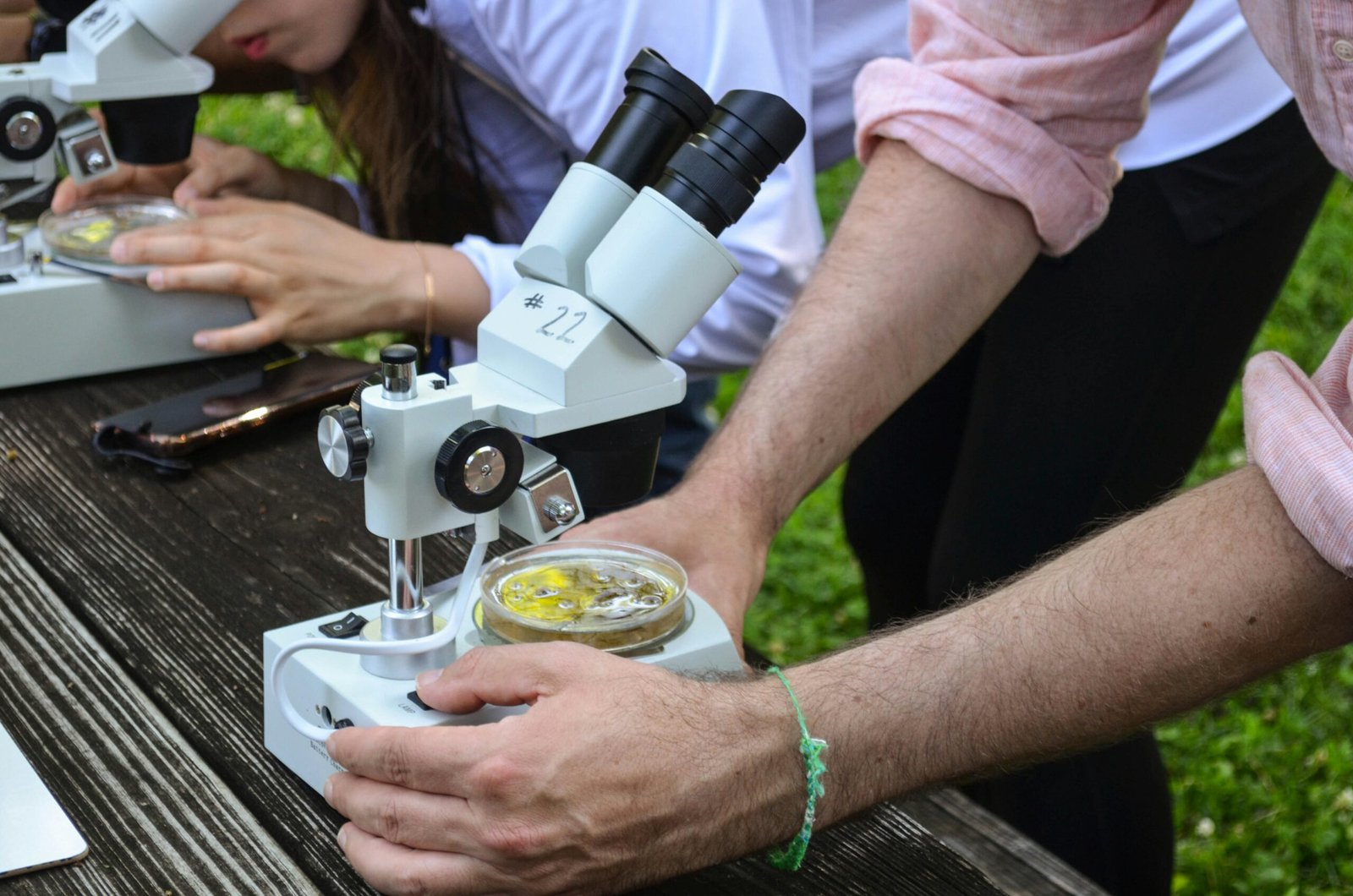
Physicochemical Analysis in Plant Research Physicochemical analysis in plant research refers to the systematic examination of the physical and chemical properties of plants. This multidisciplinary approach is vital for understanding various characteristics such as nutritional content, organoleptic properties, and phytochemical profiles, which play a significant role in agricultural and biotechnological applications. Through these analyses, researchers … Read more

Molecular Farming: Transforming Agriculture and Medicine

pink and yellow flower in bloom during daytime

Introduction to Molecular Farming Molecular farming involves the use of modern biotechnology to produce valuable biological products through genetically engineered plants. By integrating concepts from molecular biology and agricultural practices, researchers can harness the unique biological capabilities of plants to synthesize proteins, antibodies, and pharmaceuticals. This innovative approach not only enhances the efficiency of agricultural … Read more

Smog Problems in Lahore and the Role of Horticulture

What is Smog? Smog is a type of air pollution that reduces visibility and  results from a combination of smoke and fog.  Smog is  primarily present in urban areas where industrial activity is prevalent. It arises from the emissions of various pollutants, including particulate matter, sulfur dioxide, nitrogen oxides, and volatile organic compounds. These compounds … Read more

Science Over the Last 200 Years

person holding white and black video camera

What is Science? Science is a a systematic study of nature. Science is  body of knowledge concerning the natural and physical worlds, which has been systematically organized, obtained through observations, experiments, and evidence based research. The Evolution of Scientific Theories The last two centuries have seen remarkable advancements in scientific theories that have revolutionized our … Read more

Horticulture: The Modern Science of Plant Cultivation

a close up of a flower with the sun in the background

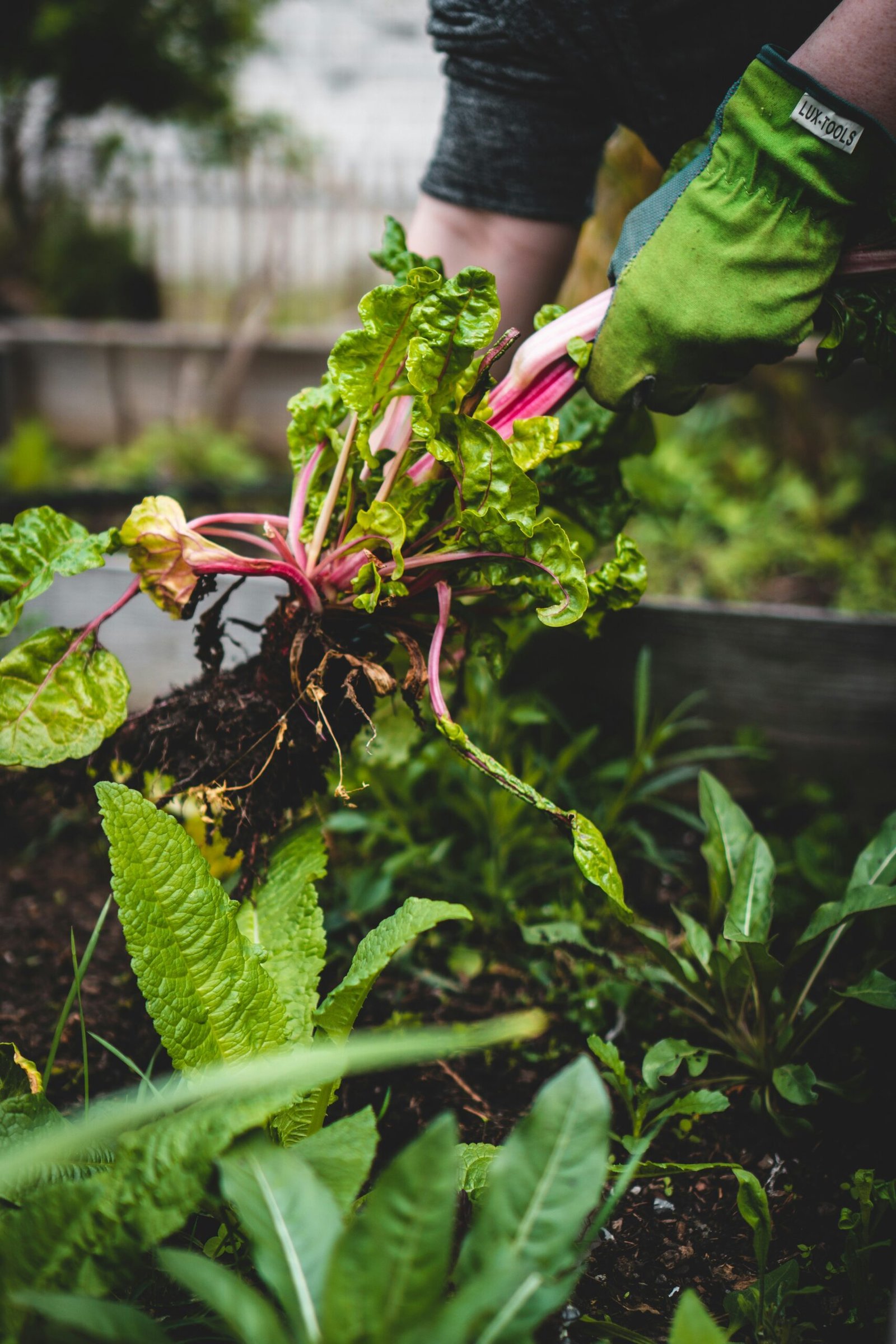
Introduction to Horticulture Horticulture is a specialized branch of plant science that focuses on the cultivation, production, and management of garden plants, including fruits, vegetables, flowers, and ornamental plants. This field encompasses a wide array of practices, techniques, and disciplines that are essential for enhancing plant growth and development. Horticulture is vital not only in … Read more

Enhancing Floricultural Traits in Ornamental Crops Through Mutation Breeding

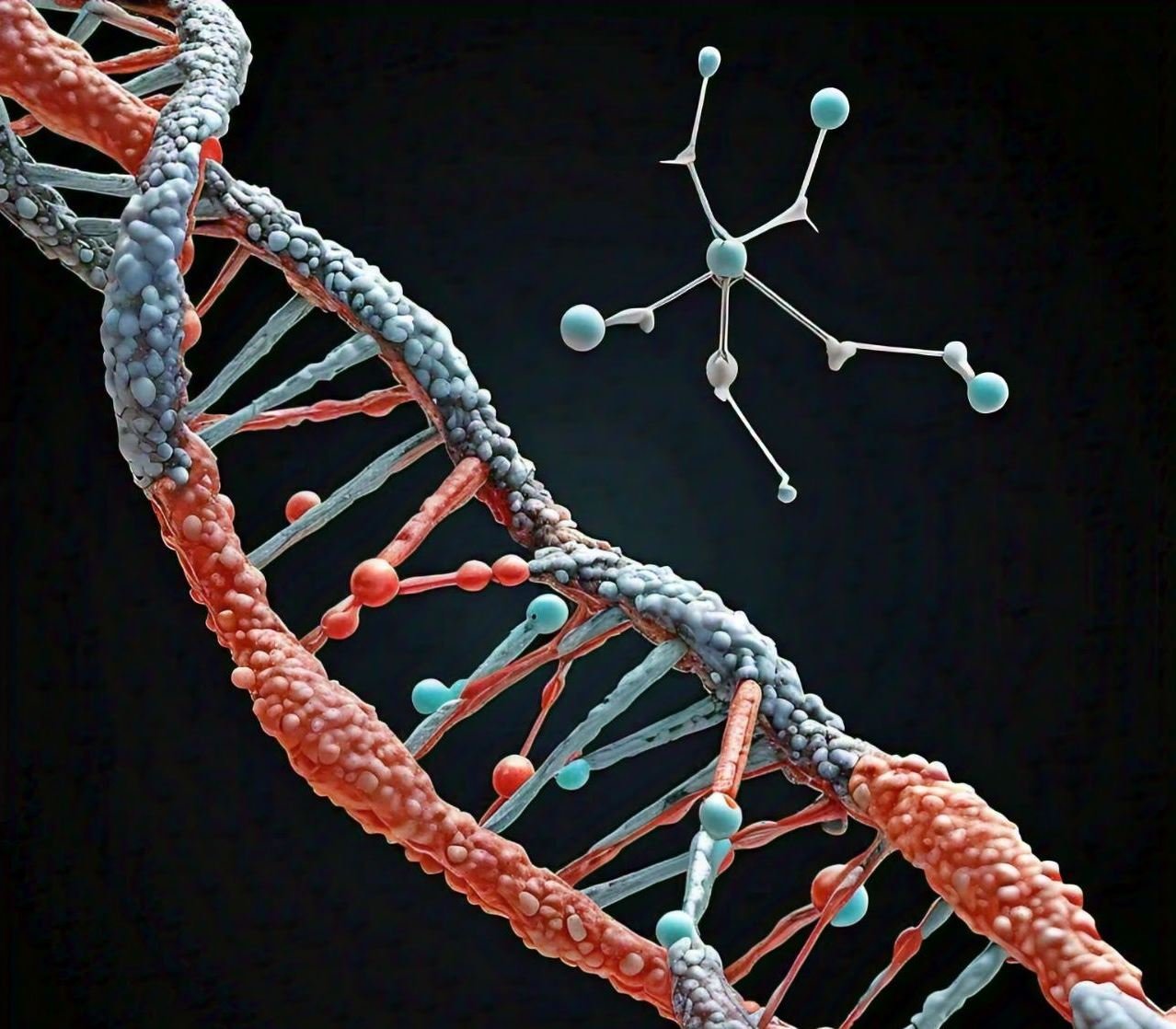
Introduction to Mutation Breeding Mutation breeding is a sophisticated technique used in plant breeding that involves inducing genetic mutations to develop new traits in plants. This process allows breeders to enhance desirable characteristics, such as flower color, shape, and size, which are particularly relevant in the floriculture industry. By harnessing both natural and artificially induced … Read more

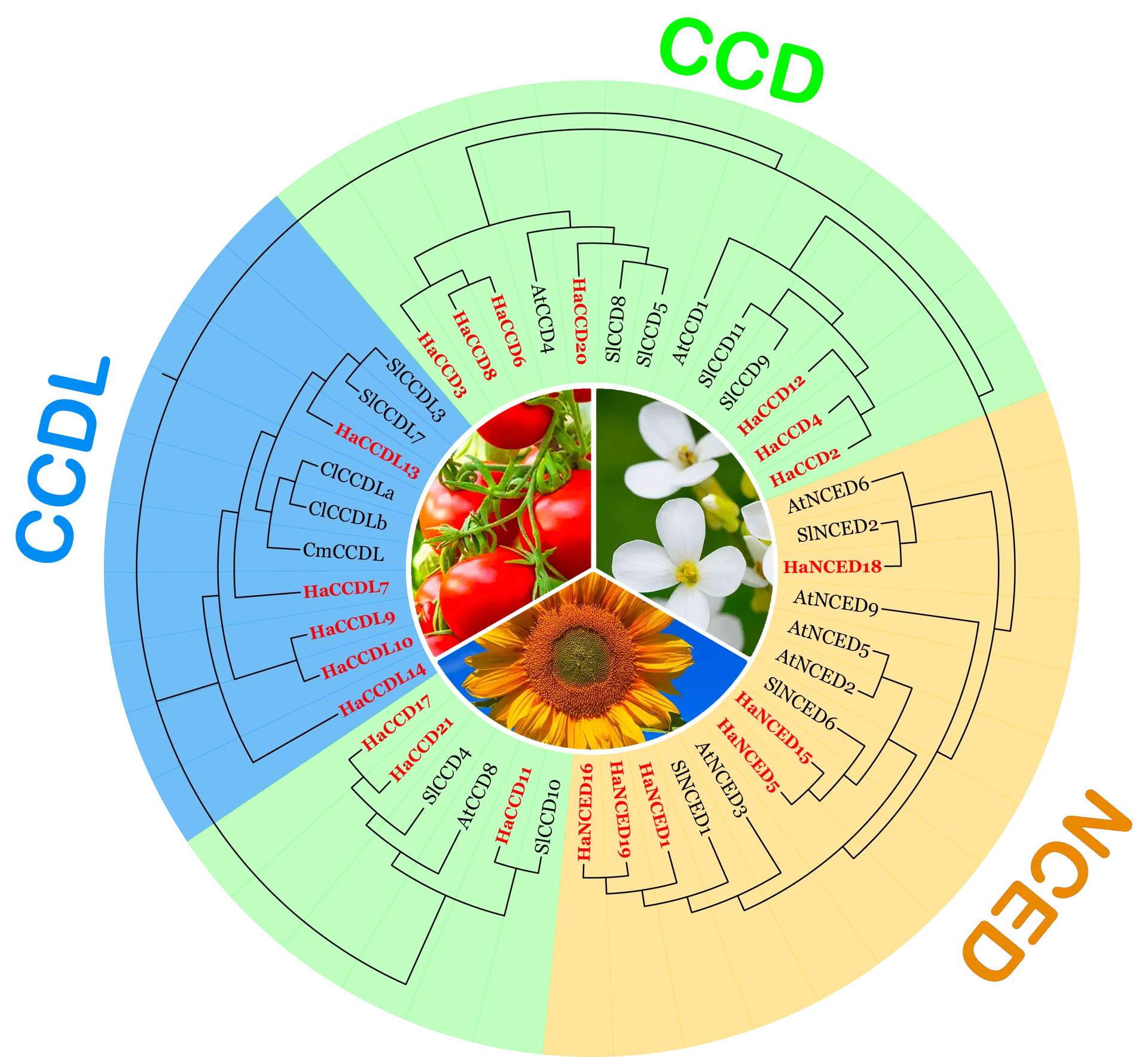
Step 2 Phylogenetic analysis roles in the classification and evolution of Gene Family Members

Introduction to Phylogenetic Analysis in Gene Family Analysis Phylogenetic analysis is a critical aspect of modern genetics that focuses on the classification and evolution of gene family members. A gene family consists of groups of related genes that share a common ancestral gene, exhibiting similar sequences and functions. Understanding gene families is fundamental in deciphering … Read more