Getting Started with R Programming: Installation, Scripting, and Data Importing

black flat screen computer monitor

What is R Programming? R programming is a versatile and powerful language specifically designed for statistical computing and data analysis. Originally developed in the early 1990s by Ross Ihaka and Robert Gentleman at the University of Auckland, R has evolved into a robust tool widely utilized by statisticians, data scientists, and researchers across various industries. … Read more
Domains in Omics: Insights into Genomics, Proteomics, and Functional Biology

In the expanding field of omics, which encompasses genomics, proteomics, transcriptomics, and metabolomics, the study of domains is essential for understanding how biological molecules function and interact. Domains are distinct structural or functional units within a protein, gene, or other biomolecule, acting as the “modules” that confer specific abilities, such as binding to other molecules, … Read more

Unraveling Motifs in Genomics: Key to Understanding Gene Regulation and Evolution

In the vast and complex landscape of genomics, motifs are the hidden gems—short, recurring patterns that hold the key to many biological processes. These patterns, often a few base pairs or amino acids long, serve as the control switches for gene regulation, protein interactions, and cellular signaling. Whether embedded in DNA, RNA, or proteins, motifs … Read more

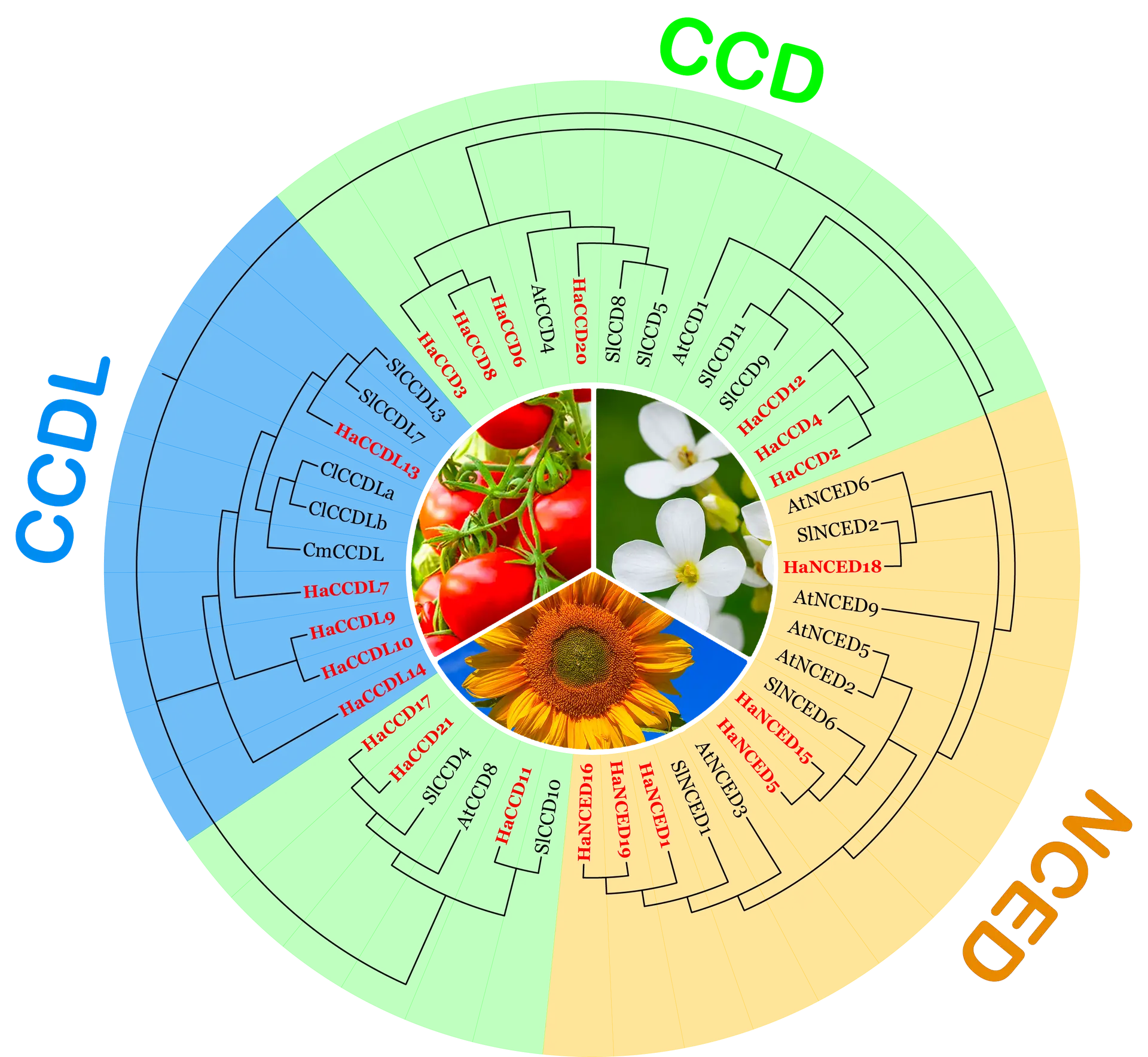
Step 2 Phylogenetic analysis roles in the classification and evolution of Gene Family Members

Introduction to Phylogenetic Analysis in Gene Family Analysis Phylogenetic analysis is a critical aspect of modern genetics that focuses on the classification and evolution of gene family members. A gene family consists of groups of related genes that share a common ancestral gene, exhibiting similar sequences and functions. Understanding gene families is fundamental in deciphering … Read more