Curing and Artificial Ripening in Horticultural Crops

focus photography of green tree

What is Curing in Fruits? Curing is a critical post-harvest management practice employed primarily to improve harvested fruits’ quality, flavor, and longevity. This process involves specific treatments designed to induce physiological and biochemical changes within the fruit, enhancing its storability and market appeal. At its core, curing aims to reduce respiration rates, moisture loss, and … Read more

Understanding Modified Atmosphere Packaging for Fruits and Vegetables

wellness shot and vitality shot glass bottles

What is Modified Atmosphere Packaging? Modified Atmosphere Packaging (MAP) is an innovative technique used to prolong the shelf life and maintain the quality of fresh fruits and vegetables. This method involves altering the composition of the gases present in the packaging, primarily by adjusting the levels of oxygen, carbon dioxide, and nitrogen. By creating a … Read more

Harnessing the Sun: Understanding Solar Cells and the Photoelectric Effect

a black and white photo of a black and white grid

Introduction to Solar Cells Solar cells, also known as photovoltaic cells, are essential components in the realm of renewable energy. These devices are designed to convert sunlight directly into electricity through the photoelectric effect, a process that occurs when photons from sunlight strike a semiconductor material, providing it with enough energy to release electrons and … Read more

Step 7 Synteny Analysis for Genome-Wide Studies of Plant Gene Families

turned on monitoring screen

Introduction to Synteny Analysis Synteny analysis plays a critical role in the field of genomics, particularly in understanding the evolutionary relationships among gene families in plants. https://www.youtube.com/watch?v=Da1zk9MKwco By analyzing the conserved gene order across different species, researchers can infer functional relationships and trace the evolutionary history of gene families. Importance of Genome-Wide Analysis Genome-wide analysis … Read more

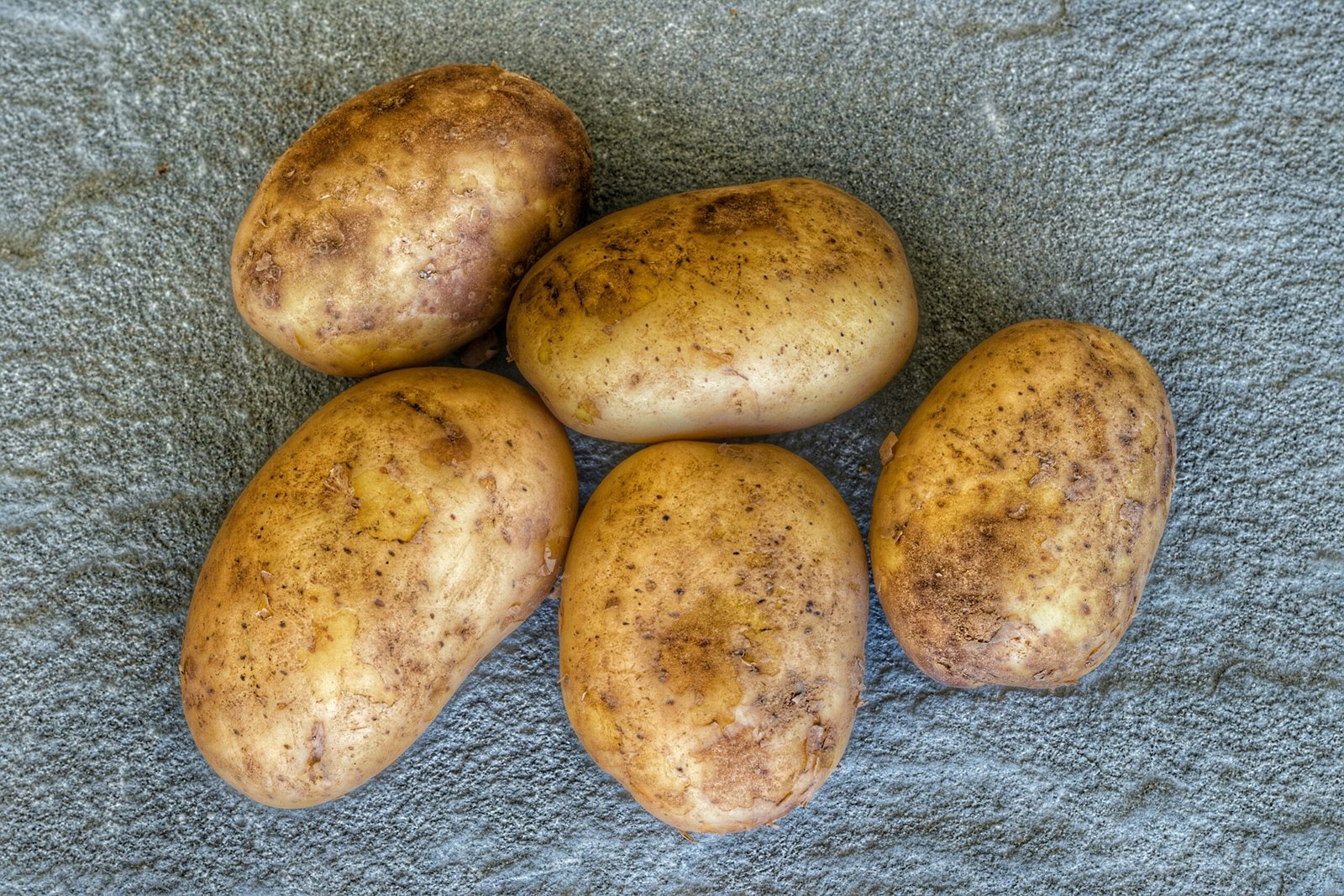
Edible Polymers as Potato Coating Materials

four potatoes sitting on a towel on the ground

Introduction to Edible Polymers in Food Preservation In the quest for enhanced food preservation methods, edible polymers have emerged as significant materials with numerous beneficial properties. These natural or modified biopolymers provide an innovative approach to extending the shelf life of perishable goods, including fruits and vegetables. Among the various edible polymers, sodium alginate, carboxyl … Read more

Understanding the History of Germs and Vaccines

A close up of a plant with a caterpillar on it

Introduction to Germs and Vaccines Germs and vaccines history is amazing which has significantly impacted public health. Understanding how germs are transmitted and the pivotal role vaccines play in preventing diseases is essential for anyone interested in health sciences.                 The Development of Germ Theory Germs, or microorganisms, … Read more

Food Security in Pakistan: Challenges and Solutions

a group of fish swimming in a pond

Introduction to Food Security Food security is an important aspect of a nation and encompasses various dimensions that affect the health and prosperity of public welfare. It is defined as a state where all individuals have physical, social, and economic access to sufficient, safe, and nutritious food that meets their dietary needs and food preferences … Read more

Evolution of Germs, Vaccines, and Their Historical Impact

woman in black shirt holding white plastic bottle

Understanding Germs: The Microbial World Germs, broadly defined as microorganisms,  including bacteria, viruses, fungi, and protozoa that can cause infections and diseases. Each of these categories represents a unique structure and biological function, contributing to the complex interactions that underpin various ecosystems, including those within the human body. Bacteria, for instance, are single-celled organisms that … Read more

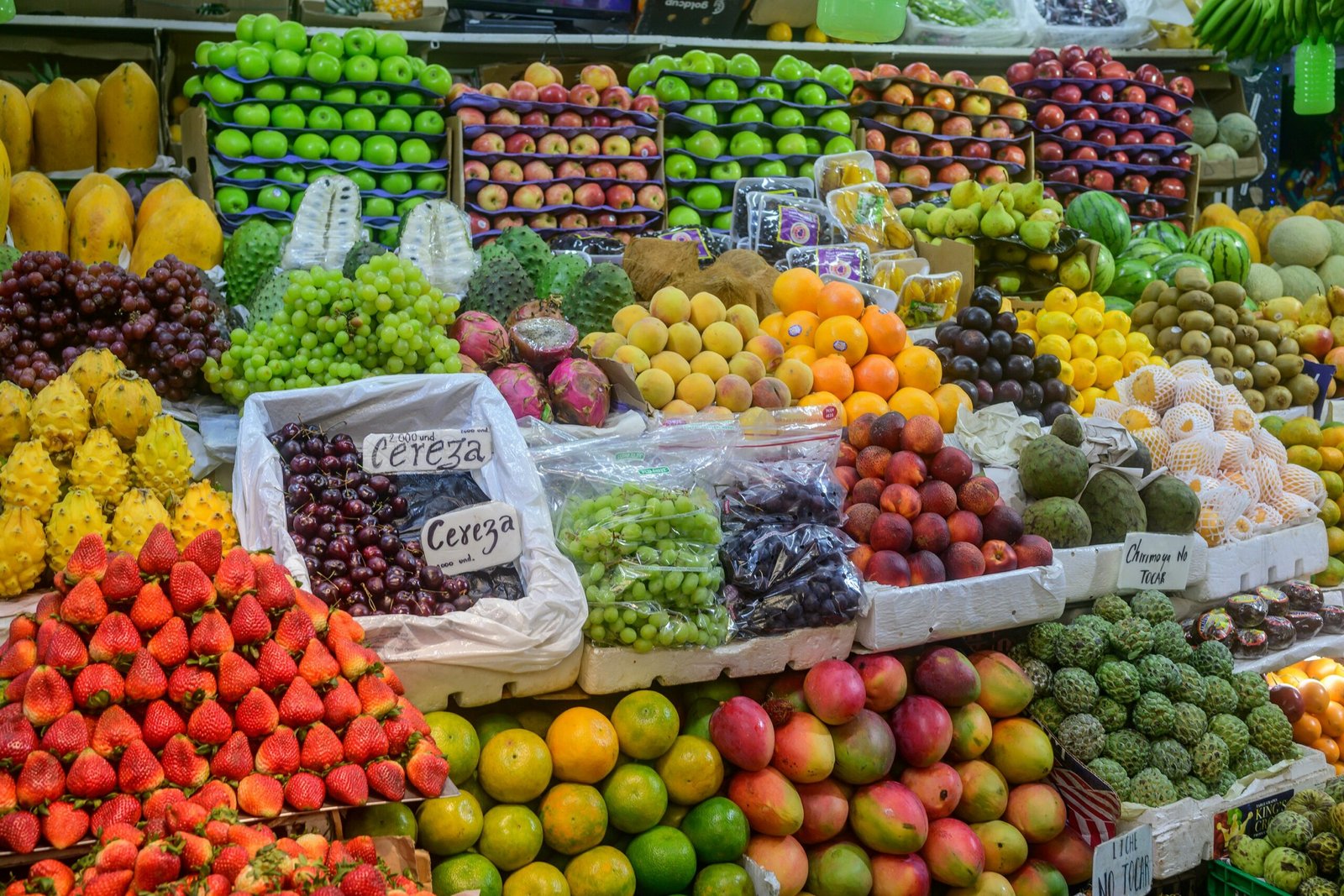
Post-Harvest Horticulture: An Introduction and Its Significance

A large display of fruits and vegetables for sale

What is Post-Harvest Horticulture? Post-harvest horticulture is a branch of agricultural science that focuses on the management and processes applied to horticultural products after they have been harvested. This is a crucial aspect of the food supply chain, as it encompasses various operations that enhance the quality and longevity of produce, ensuring that fruits, vegetables, … Read more

Step 5: Protein Subcellular Localization Prediction Using Wolf PSORT

Understanding Protein Subcellular Localization Protein subcellular localization is crucial for understanding the functional roles of proteins within cells. Different proteins operate in distinct cellular compartments, and knowing their location can help in deciphering their biological functions and interactions. Accurate localization predictions have become an integral part of genomics and proteomics analyses. Introducing Wolf PSORT for … Read more