
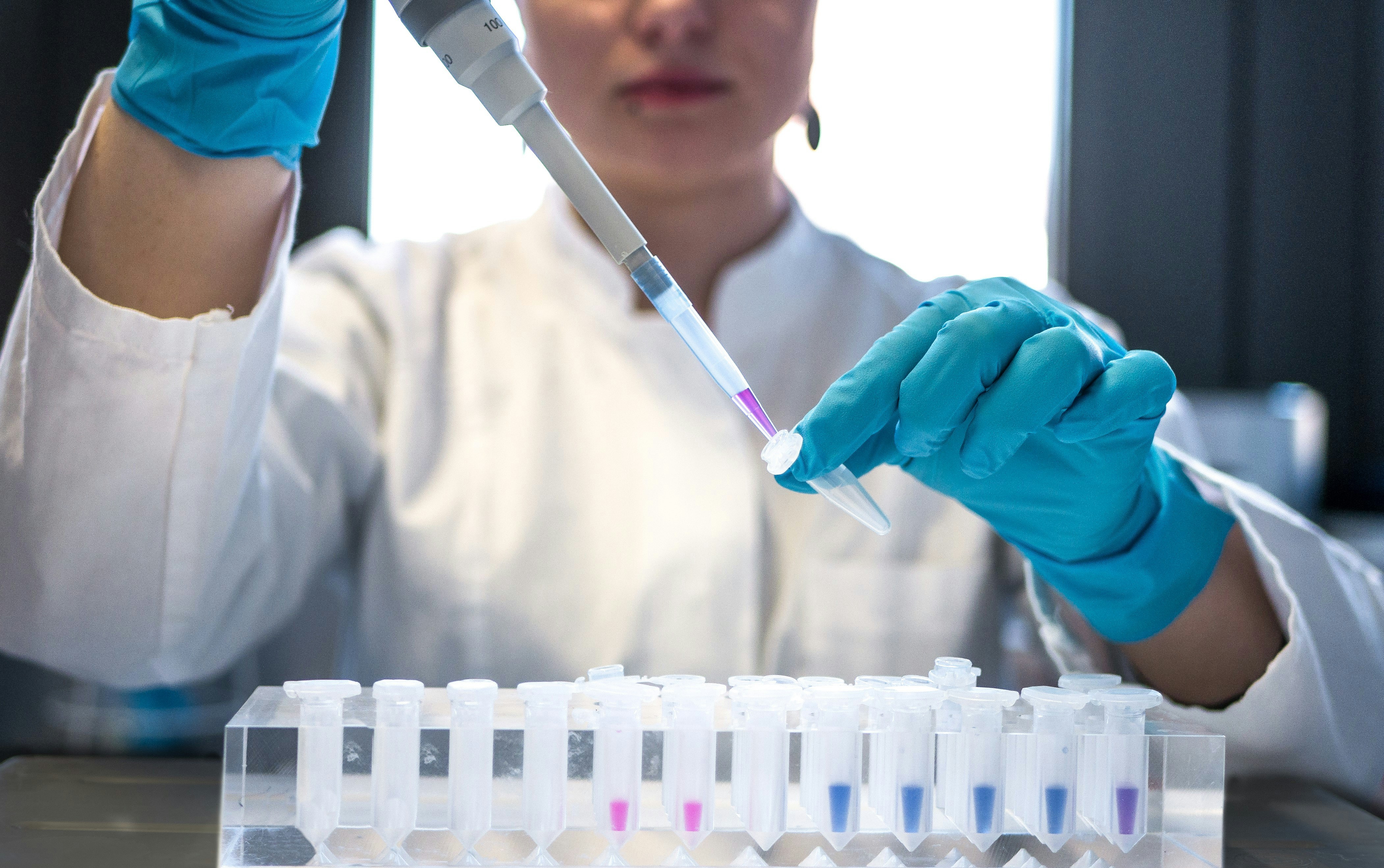
Introduction to DNA Concentration for PCR
Polymerase Chain Reaction (PCR) is a vital technique in molecular biology, allowing for the amplification of specific DNA sequences. One of the key aspects of ensuring a successful PCR reaction is the concentration of DNA to be amplified. A common standard for PCR is a DNA concentration of 25 ng/µl.
Importance of 25 ng/µl DNA Concentration
Targeting a DNA concentration of 25 ng/µl is essential for optimizing the efficiency of PCR. This concentration strikes a balance between ample genetic material and minimizing the risk of inhibition. If the concentration is too low, there may not be enough DNA to detect after the amplification, while too high a concentration can cause the reaction to fail due to excess template.
How to Measure and Adjust DNA Concentration
To ensure your PCR is successful, start by accurately quantifying your DNA. Techniques such as spectrophotometry or fluorometric assays can give reliable measurements. If your DNA concentration exceeds 25 ng/µl, dilution with appropriate buffer can help reach the desired level. Always aim for the recommended concentration to maximize your PCR output.