
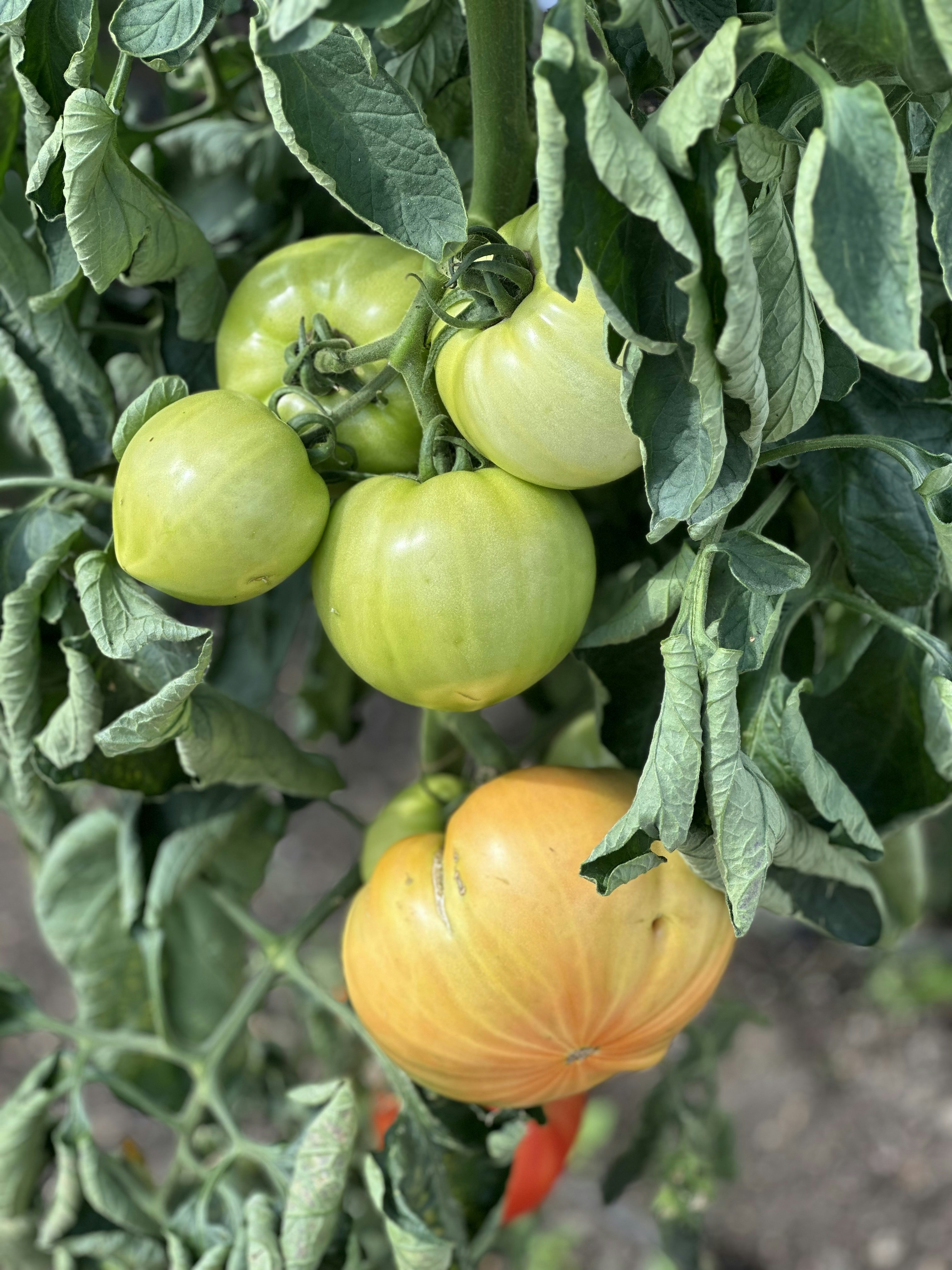
Understanding the Tomato Growth Cycle
Growing tomatoes from seed to fruit is an exciting journey that involves several distinct stages.
Each phase plays a crucial role in developing healthy plants that will yield delicious fruits. This guide will walk you through the essential steps of tomato growth, ensuring you understand what to expect along the way.
1. Seed Germination
The journey begins with seed germination. Tomato seeds require warmth and moisture to sprout. Typically, the seeds will germinate within 5 to 10 days, depending on the variety and conditions. It’s important to plant the seeds in a seed-starting mix and keep them in a warm environment. Once the seedlings emerge, they should be exposed to bright light to encourage healthy growth.
2. Seedling Growth
After germination, the seedlings develop their first true leaves. This stage, which generally lasts a few weeks, is critical for establishing a strong root system. During this time, it’s essential to provide the seedlings with adequate water and nutrients. Transplanting to larger pots may be necessary as they outgrow their initial containers, giving them more space to flourish.
3. Flowering and Fruit Development
As the plants mature, they will start to flower, typically around 6 to 8 weeks after transplanting. Pollination occurs naturally or can be assisted by gently shaking the plants. Following successful pollination, small green fruits will appear. Over the next few weeks, those fruits will grow, changing color as they ripen from green to red (or yellow/purple, depending on the variety) and signaling that they are ready for harvest.
Understanding these growth stages is vital for any gardener looking to grow tomatoes successfully. By nurturing your plants through each phase, you’ll be rewarded with a bountiful harvest of fresh, homegrown tomatoes.