Introduction to CRISPR Technology
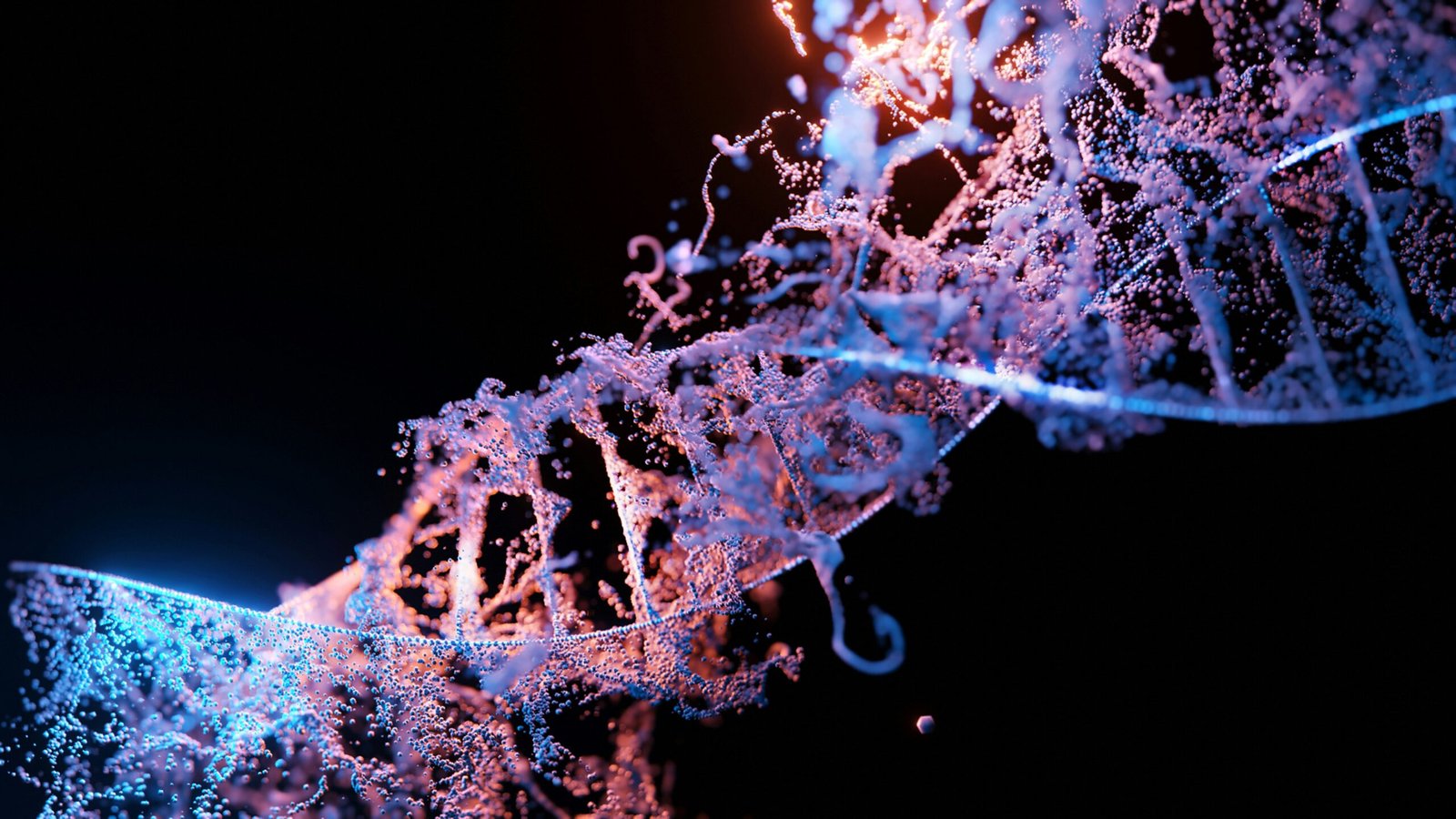
CRISPR technology, a revolutionary tool in genetic engineering, has sparked considerable debate surrounding its applications. Especially when it comes to the controversial subject of CRISPR-edited babies, ethical considerations become paramount. Scientists have hailed CRISPR for its precision in editing genes, but the implications of creating genetically modified humans are profound.
Scientific Advancements and Their Risks
The promise of CRISPR lies in its ability to eliminate genetic diseases before birth, enhancing the quality of life for future generations. However, the risks associated with editing the human germline cannot be overlooked. Unintended mutations may lead to unforeseen health issues, and the long-term effects on edited individuals remain unclear. This uncertainty raises a critical question: should we proceed with such interventions without fully understanding the consequences?
Ethics of Genetic Modification
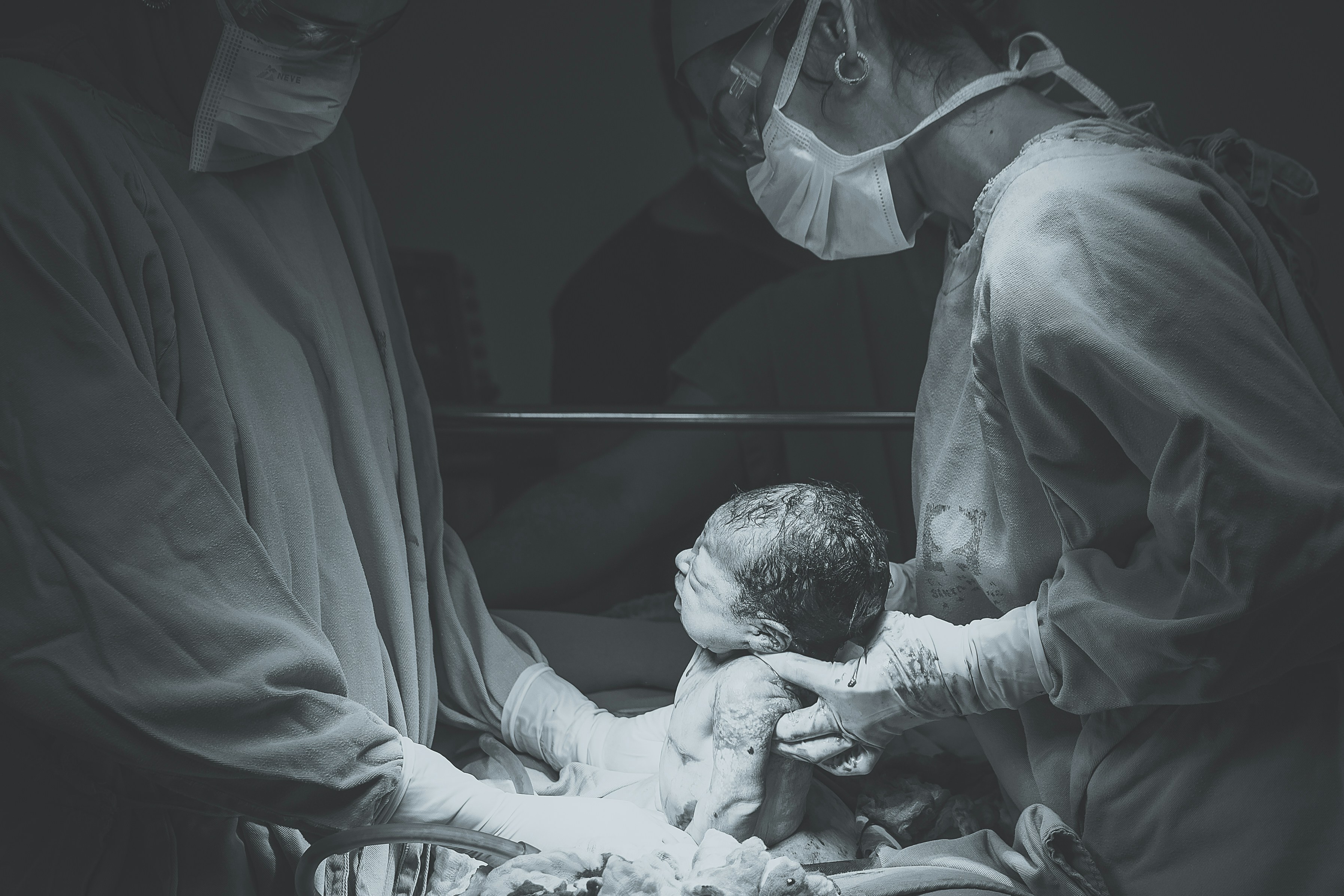
The ethics of creating CRISPR-edited babies extend beyond the realm of science. Societal implications include potential inequality, where access to genetic enhancements could be determined by socioeconomic status. Furthermore, the concept of ‘designer babies’ raises moral dilemmas about playing God and the natural evolution of humanity. Engaging in these debates allows for a balanced discourse, where science and ethics can coexist.
Conclusion
As we push the boundaries of scientific discovery, the conversation surrounding CRISPR-edited babies remains essential. It is crucial to foster discussions that balance innovation with ethical responsibility. Ultimately, understanding the science and recognizing the ethical implications will guide future regulations in this evolving field.