

The Dual Forces of Change: Understanding Evolution through Natural and Artificial Selection

text, letter

Introduction to Evolutionary Concepts Evolution is a foundational concept in biology that explains the gradual changes in species over time. The mechanisms driving this process primarily include natural selection and artificial selection, both of which serve as essential frameworks for understanding biological diversity. Natural selection, first articulated by Charles Darwin in the 19th century, refers … Read more

Plant Phenotyping: Insights from Genome-Wide Analysis

Defining Phenotypes Phenotypes are an essential concept in genetics, representing the observable physical and physiological traits of an organism. Numerous attributes, including morphology, development, biochemical characteristics, and behavior, can be included in this category. As opposed to genotypes, which describe an organism’s genetic composition, phenotypes are impacted by both environmental and genetic influences. Understanding how … Read more

Understanding Gene Cloning: Techniques, Applications, and Ethical Considerations

a close up of a structure with a blue background

Introduction to Gene Cloning Gene cloning is an important procedure and technique in molecular biology that allows researchers to create copies of specific genes. This process starts with the isolation of a gene of interest from the genomic or chloroplastic DNA of a specific organism. This gene is inserted into a specific plasmid vector, which … Read more

Protein Domains and Motifs prediction in Genome-Wide Analysis

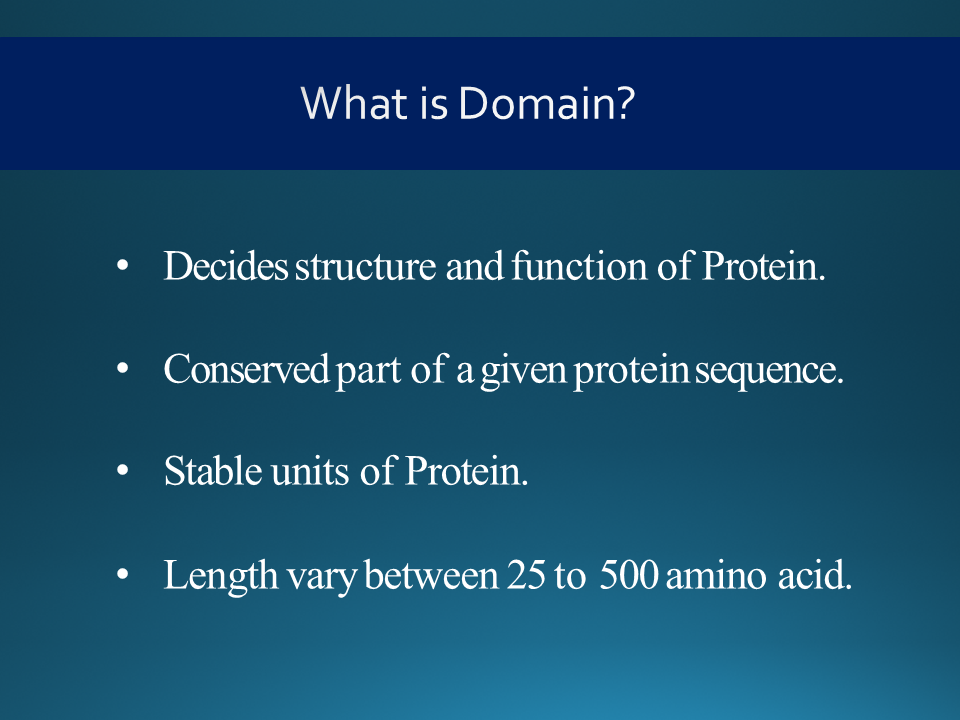
What are Protein Domains?

Within a protein, protein domains are discrete structural and functional components. They can be modular, which means they can show up in different proteins, and each domain can support a certain function. Researchers can determine the protein’s function and comprehend the evolutionary processes that resulted in its current condition by examining these domains. Protein domain recognition can help predict the function of uncharacterized genes based on the domains they include in genome-wide investigations.


The Role of Protein Motifs

Protein domains are made up of  motifs which are very brief sequences that are shared by all proteins and frequently associated with certain functions. For example, a basic motif might be essential for binding or signaling. Since these patterns reveal a protein’s function throughout biological pathways, their identification is crucial for genome-wide study. Our comprehension of intricate biological processes can be improved by this knowledge.

Utilizing Genome-Wide Analysis

By thoroughly examining an organism’s whole genetic makeup, genome-wide analysis allows researchers to link particular protein domains and patterns to particular gene activities. Researchers can identify patterns that show how genes contribute to disease or other biological processes by analyzing large volumes of data using computational techniques and high-throughput sequencing. This comprehensive approach is crucial to improving our understanding of gene activity and how it affects health and illness.

For Power point prsentation on understanding the motif and domain in protein please click here


Understanding Motif Finder for Protein Domain Identification in Genome-Wide Analysis
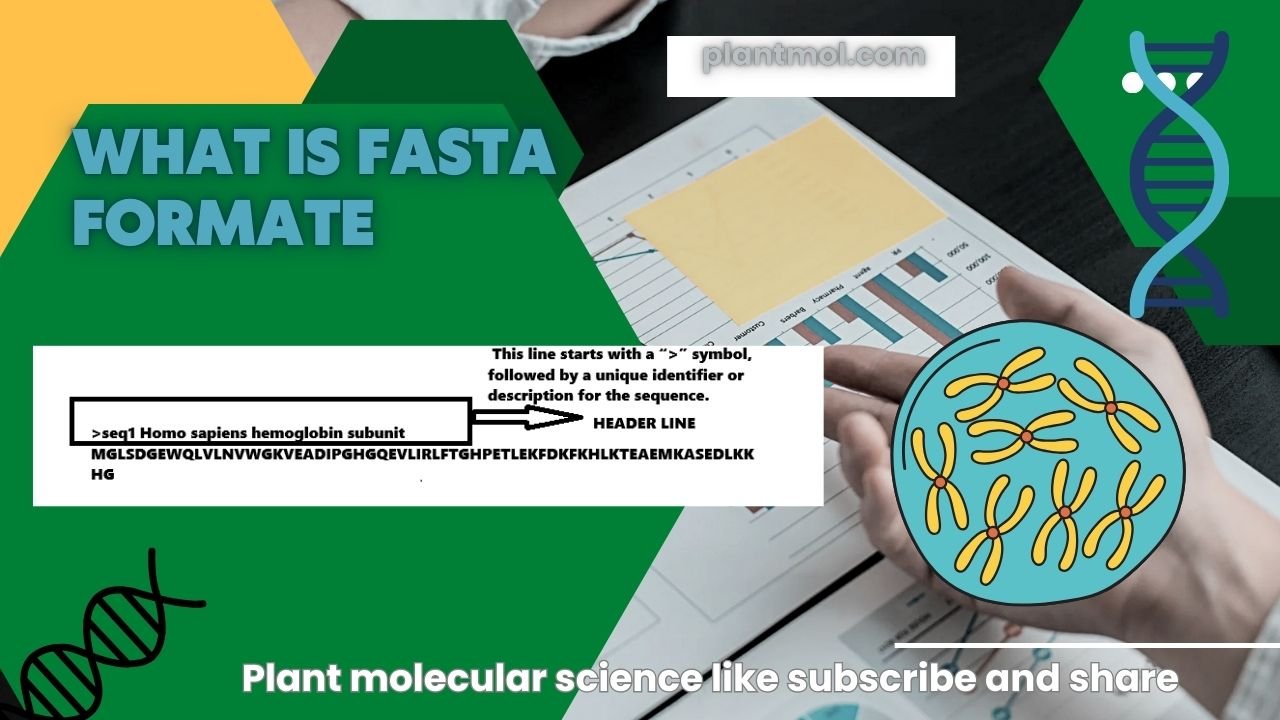
Understanding FASTA Format in Bioinformatics

What is FASTA Format (FF)? FASTA in bioinformatics is a text-based format for representing protein or nucleotide sequences. FF has numerous application, including multiple sequence alignment and gene prediction. Each sequence in FASTA format begins with a single-line description with ‘>’ character, followed by lines of sequence (DNA or Protein) data. Structure of FASTA Format … Read more

Understanding Motif Finder for Protein Domain Identification in Genome-Wide Analysis
What is Motif Finder (MF)? Motif Finder (MF) is an important bioinformatics tool to identify and characterize specific sequence patterns, known as motifs, within protein sequences. These motifs are used  for the protein functions identification and interactions. Motif  and domain analysis also play a vital role in genome wide analyses (GWA). By utilizing different algorithms … Read more

Genome Wide Analysis Tools: TBTool, Mega X, and EndNote

MacBook Pro near headphones

Introduction to Genome Wide Analysis Genome wide analysis is a crucial aspect of modern genetics, allowing researchers to examine the entire genome of an organism. The software tools available for such analyses are essential for processing vast amounts of genetic data and aiding in biological research. In this blog post, we delve into three popular … Read more

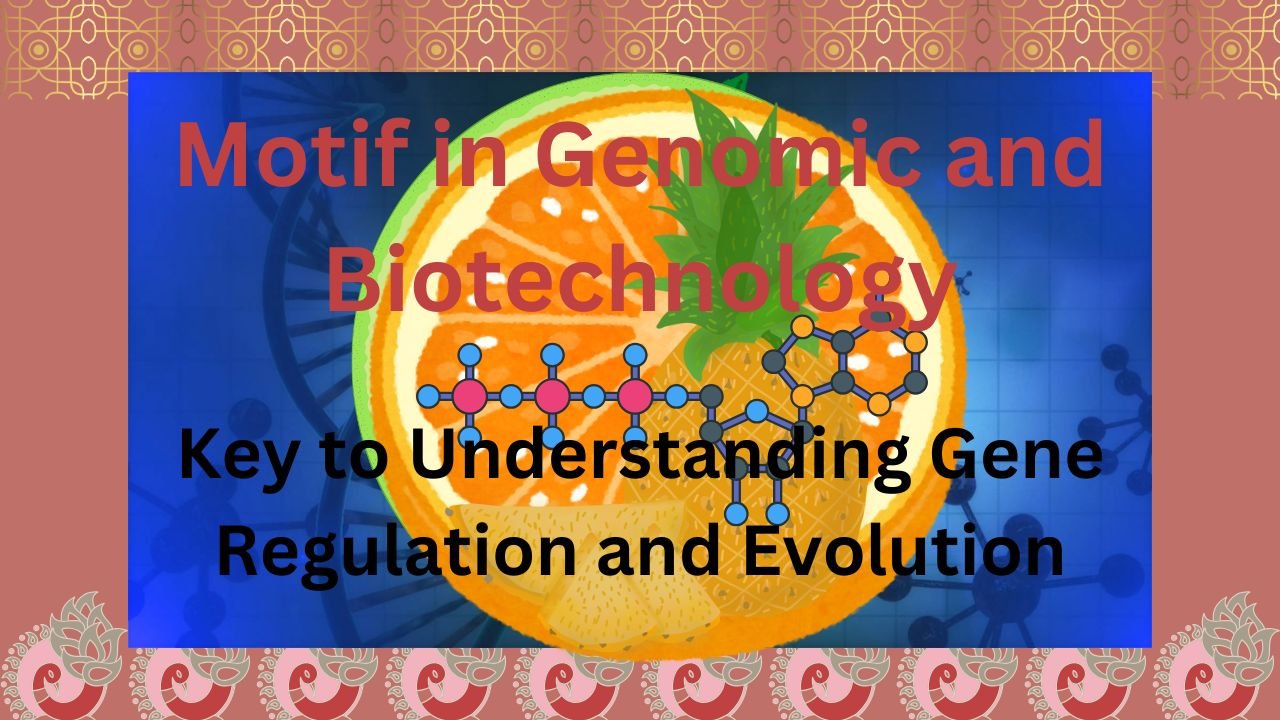
Unraveling Motifs in Genomics: Key to Understanding Gene Regulation and Evolution

In the vast and complex landscape of genomics, motifs are the hidden gems—short, recurring patterns that hold the key to many biological processes. These patterns, often a few base pairs or amino acids long, serve as the control switches for gene regulation, protein interactions, and cellular signaling. Whether embedded in DNA, RNA, or proteins, motifs … Read more

What is Genome-Wide Analysis

What is Genome-Wide Analysis? Genome-wide analysis (GWA) is the complete examination of the complete set of an organism’s genes. This method enables scientists to study genetic variations and gene functionalities across the entire genome. Such analyses are crucial for understanding gene families, groups of related genes within a genome that typically arise from common ancestors. … Read more