
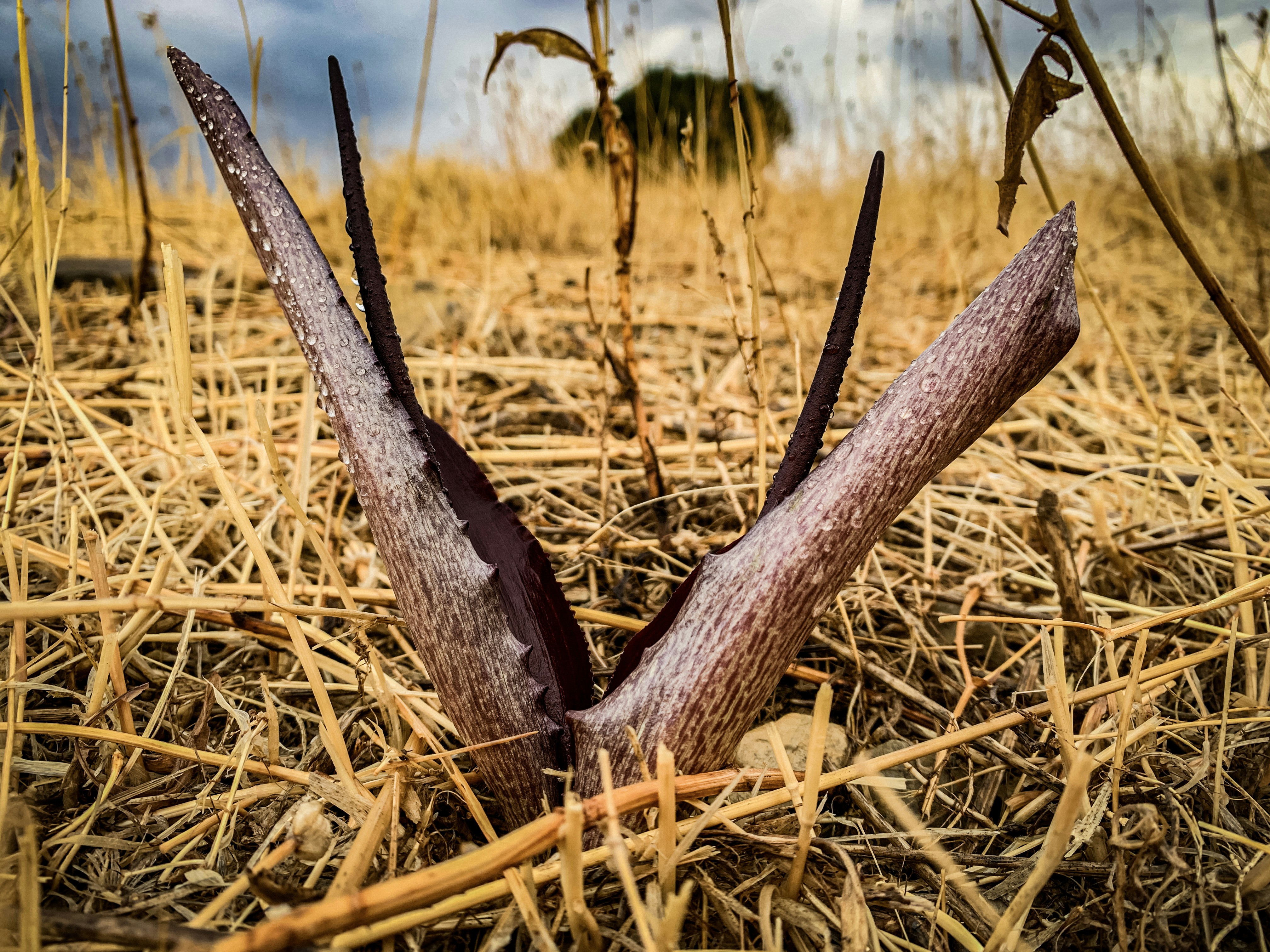
Understanding Plant Drought Detection
Plants have evolved unique mechanisms to survive challenging environmental conditions, including drought. Understanding how plants detect drought for the first time is crucial for improving agricultural practices and enhancing crop resilience. This detection process involves a combination of physiological and biochemical responses triggered by water deficiency.
Key Factors in Drought Sensing
When a plant begins to experience water stress, it undergoes significant changes. These changes often start at the cellular level when the hydration status of the plant is compromised. Specialized cells called guard cells play a vital role in this process. As water levels drop, these cells close the stomata, reducing transpiration and preventing further water loss.
Role of Hormones in Drought Response
Hormonal changes within plants also contribute significantly to drought detection. The key hormone involved is abscisic acid (ABA), which is synthesized in response to moisture loss. ABA signals the plant to initiate various stress-responsive genes. This leads to physiological adaptations, such as root growth enhancement and leaf senescence, allowing the plant to better cope with limited water availability.
Studies indicate that plants can detect drought conditions long before visible signs appear. Utilizing advanced agricultural techniques that consider these detection methods can greatly improve yield efficiency in drought-prone areas. Therefore, understanding how plant sensors work during drought events is essential for future food security.