
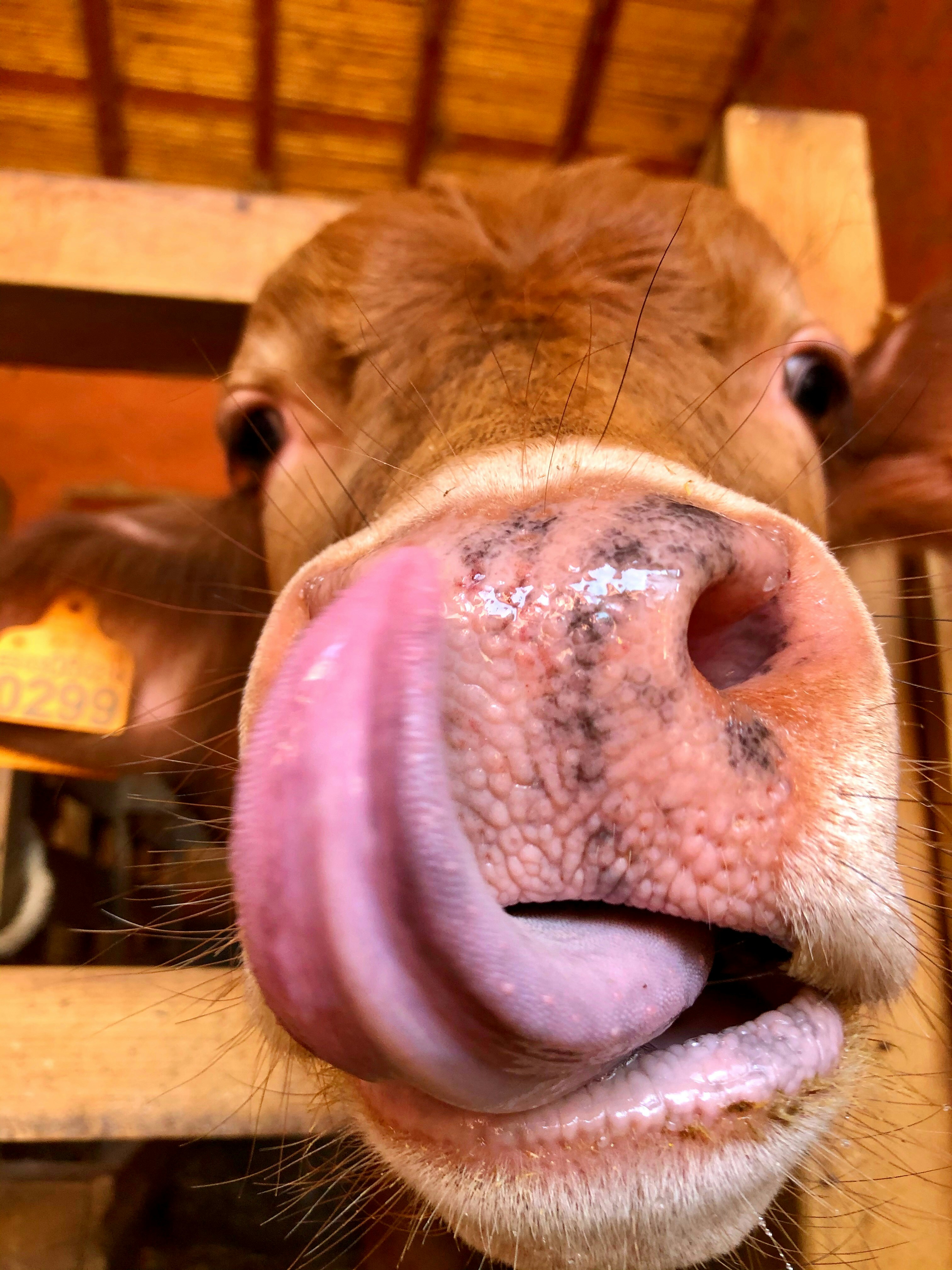
The Unique Digestive Process of Cows
Cows are known for their distinctive chewing habits, which play a critical role in their digestive process. Unlike humans, cows are ruminants, meaning they have a specialized stomach system that allows them to break down tough plant materials. This process involves multiple stages of chewing and digestion.
Chewing and Ruminating
When cows graze, they quickly chew their food before swallowing it down into the rumen, the first chamber of their stomach. Here, the food is mixed with saliva and bacteria, beginning the fermentation process. After some time, cows will regurgitate this partially digested food, now called cud, and chew it again thoroughly. This act of re-chewing helps to break down the food even further, making it easier to digest.
The Importance of Chewing for Cows’ Health
The act of chewing is essential not only for digestion but also for the overall health of cows. Chewing stimulates saliva production, which neutralizes stomach acids and aids in digestion. The more a cow chews, the more saliva it produces, which helps combat potential digestive issues. Moreover, the process of chewing keeps cows engaged and healthy, leading to better nutrient absorption and increased milk production. Understanding this unique behavior illustrates why cows chew so much, emphasizing the intricate connection between their chewing habits and their health.