
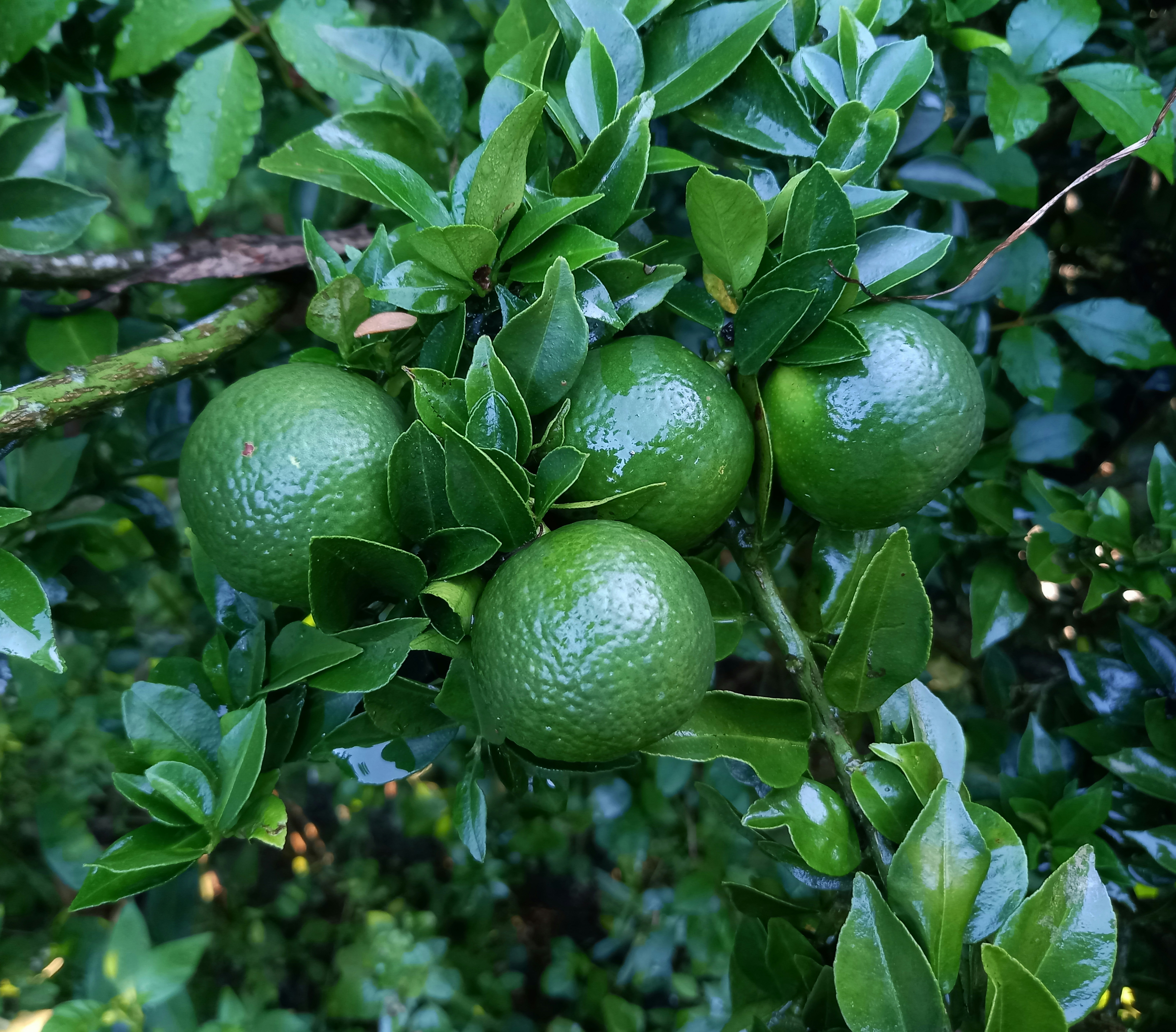
Introduction to Citrus Kinnow Mandrin
Citrus Kinnow Mandrin, a hybrid citrus fruit, is predominantly cultivated in the Indian subcontinent, especially in the Punjab region of Pakistan and India. Belonging to the Rutaceae family, it is a variety of the Mandarin orange, scientifically classified as Citrus reticulata × Citrus limon. This fruit has gained considerable popularity due to its unique characteristics and flavors.
One of the most striking features of the Citrus Kinnow Mandrin is its juicy texture. The fruit is often characterized by a loose skin, making it easy to peel and consume. The vibrant orange color of the fruit is not only visually appealing but also indicative of its rich nutrient content. It is recognized for its sweet and tangy flavor, which makes it a delightful option for fresh consumption and various culinary applications. Whether enjoyed as a refreshing snack, juiced into a revitalizing drink, or incorporated into salads and desserts, Kinnow demonstrates versatility.
The significance of Citrus Kinnow Mandrin extends beyond its palate appeal; it plays a vital role in the agricultural economy of Punjab. Farmers cultivate it not only for local consumption but also for export, making it an important cash crop. The growth conditions in Punjab—such as its climate and soil—are conducive to producing high-quality Kinnow, which has established a strong market presence. Furthermore, this citrus fruit is often associated with various health benefits, including a rich supply of vitamin C and antioxidants, contributing to its popularity among health-conscious consumers.
Overall, Citrus Kinnow Mandrin exemplifies the blend of cultural, nutritional, and economic significance, making it a remarkable member of the citrus family.
History of Citrus Kinnow Mandrin
The Citrus Kinnow Mandrin, an economically significant fruit, originates from a deliberate hybridization process in the early 20th century. Specifically, it is a result of crossing the two varieties of citrus fruits—Mandarin (C. reticulata) and the King Mandarin (C. nobilis). This hybridization was first initiated by agricultural scientists at the University of California, Riverside, with the aim of producing a fruit that not only had better quality but was also adaptable to varying climatic conditions.
Globally, the cultivar was introduced to India in the early 1960s, where it found a suitable environment in the fertile lands of Punjab. In the beginning, Kinnow was primarily cultivated in the orchards of California and was later introduced to Indian agricultural practices to enhance the fruit industry. The adaptability of Kinnow to local environmental conditions played a significant role in its successful cultivation in Punjab, where warm and temperate climates are prevalent.
As Kinnow cultivation took off, it rapidly became an essential part of Punjab’s agricultural economy. Farmers appreciated its high yield potential and the fruit’s robust flavor, which appealed to both domestic and international markets. Over the years, knowledge about best practices for Kinnow cultivation spread amongst local growers, leading to improved methodologies and enhanced production efficiency. Consequently, this fruit has established itself as a leading citrus produce in Punjab, thereby significantly contributing to the livelihoods of countless agricultural families and impacting the overall economy of the region.
Moreover, this historical journey underscores the innovation in agricultural practices, showcasing how scientific research can directly benefit farmers by providing them with resilient and marketable fruit varieties like Kinnow. This fruit has not only gained popularity but has also paved the way for further advancements in the cultivation of other citrus varieties in Punjab.
Nutritional Value and Health Benefits
Kinnow mandarins, a hybrid citrus variety, are not only enjoyed for their sweet and tangy taste but also for their impressive nutritional profile. A single serving of Kinnow can provide a significant amount of essential vitamins and minerals that are crucial to maintaining overall health. One of its most prominent features is its high vitamin C content, which plays a critical role in boosting the immune system. Just one medium-sized Kinnow can supply about 50-70 mg of vitamin C, fulfilling a substantial portion of the daily recommended intake.
In addition to vitamin C, Kinnow mandarins are also rich in vitamins A, E, B6, and folate, which contribute to various bodily functions, including vision health, skin integrity, and metabolic processes. Furthermore, Kinnow is an excellent source of dietary fiber, which aids in digestion and promotes gut health. Regular consumption of fiber-rich fruits like Kinnow can support bowel regularity and may reduce the risk of chronic diseases such as heart disease and type 2 diabetes.
The antioxidants found in Kinnow, including flavonoids and carotenoids, bring additional health benefits. These compounds help combat oxidative stress by neutralizing harmful free radicals in the body. This property can result in reduced inflammation and a lower risk of developing certain diseases, including certain cancers. Additionally, the hydrating nature of Kinnow helps in maintaining skin moisture and may contribute to a radiant complexion.
In summary, incorporating Kinnow mandarins into one’s diet not only enhances flavor but also delivers numerous health benefits. From bolstering the immune system to promoting heart health and improving skin quality, the nutritional value of Kinnow underscores its importance in a balanced and health-conscious diet. Its delicious taste makes it an inviting option to achieve these health benefits while enjoying a nutrient-rich fruit.
Importance of Citrus Kinnow in Punjab’s Economy
Citrus Kinnow, a hybrid fruit derived from the cross of two citrus species, has emerged as a significant contributor to the economy of Punjab. The cultivation of Kinnow plays a crucial role in agricultural diversification and offers a sustainable livelihood to numerous farmers in the region. As a high-value crop, it has effectively replaced traditional crops, providing farmers with better returns and improved economic security.
According to recent statistics, Kinnow cultivation contributes substantially to the state’s Gross Domestic Product (GDP), with estimates suggesting that it accounts for around 4% of the agricultural GDP in Punjab. The fruit is not only profitable for growers but also enriches the entire supply chain, creating numerous ancillary jobs in processing, packaging, and logistics. The employment opportunities generated by the Kinnow industry have been vital in addressing rural unemployment, which remains a pressing issue in many parts of Punjab.
Additionally, Citrus Kinnow plays a pivotal role in the export market, with a significant percentage of the harvest shipped to international destinations, including the Middle East, Europe, and neighboring countries. Export statistics indicate that Punjab exported approximately 250,000 metric tons of Kinnow in recent years, generating substantial foreign exchange earnings and boosting the state’s economic standing on a global scale. The reputation of Kinnow as a high-quality citrus product has opened doors for Punjab in international markets, enhancing its competitive edge.
In summary, the economic impact of Kinnow cultivation in Punjab is multifaceted, encompassing job creation, contribution to GDP, and a robust presence in export markets. The important role of Citrus Kinnow in the regional economy underscores its significance, not just as an agricultural product, but as a catalyst for economic growth and rural development in Punjab.
Cultivation Practices for Kinnow
The successful cultivation of Kinnow, a popular citrus fruit, requires a comprehensive understanding of various agricultural practices that cater to its specific needs. These practices encompass soil conditions, climate requirements, planting techniques, and appropriate irrigation methods.
Firstly, optimal soil conditions are essential for Kinnow cultivation. The fruit thrives in well-drained, loamy soils with a pH level ranging from 6 to 7.5. It is critical to assess soil fertility and ensure adequate organic matter to enhance nutrient availability. Farmers often incorporate organic fertilizers to enrich the soil and support the healthy development of Kinnow trees.
In terms of climate requirements, Kinnow enjoys a subtropical climate characterized by warm temperatures and sufficient sunlight. Ideal conditions include a temperature range of 15°C to 30°C. It is vital to protect the trees from extreme cold, particularly during the flowering and fruit-setting stages, which can significantly affect yield. Additionally, a specific humidity level contributes to the prevention of diseases.
Planting techniques also play a crucial role in Kinnow cultivation. The best approach is to plant young saplings during the spring season, ensuring they are spaced adequately to allow for proper growth and airflow. Typically, a spacing of 6 to 8 meters between trees is recommended to minimize competition for resources.
Finally, effective irrigation methods are fundamental to sustain Kinnow trees, particularly in areas where rainfall is inconsistent. Drip irrigation is often advised as it delivers water directly to the root zone, minimizing wastage and promoting healthy growth. Regular monitoring of soil moisture levels can help optimize irrigation schedules, thus preserving water and enhancing tree resilience.
Pest and Disease Management in Kinnow Production
The cultivation of Kinnow, a popular citrus variety, is fraught with various challenges, particularly from pests and diseases that can significantly impact crop yields. Among the most common pests affecting Kinnow production are aphids, whiteflies, and citrus leaf miners. These pests not only damage the plant tissues but can also act as vectors for harmful diseases. In terms of diseases, Kinnow is susceptible to fungal infections such as root rot and various viral diseases including Citrus tristeza virus, which considerably hinder plant growth and fruit development.
Integrated pest management (IPM) strategies are essential for effective control of these biotic stresses. IPM combines cultural, biological, and chemical practices to minimize pest populations while being environmentally sustainable. A critical aspect of IPM in Kinnow cultivation includes the implementation of crop rotation and intercropping to disrupt pest life cycles. Moreover, regular monitoring of pest populations through traps and visual inspections can help determine the necessity for intervention, thus preventing unnecessary pesticide application.
Organic methods also play a vital role in sustainable Kinnow production. Farmers can utilize natural pesticides derived from neem oil or insecticidal soap, which are effective against many common pests without the risk of harmful residues. Additionally, promoting natural predators, such as ladybugs or lacewings, can help maintain pest populations below damaging thresholds. The introduction of biocontrol agents, such as parasitic wasps, is another method that can significantly reduce pest numbers.
While organic methods are crucial for sustainable agriculture, chemical controls remain a necessary tool for managing severe pest infestations. The judicious use of insecticides should focus on targeting specific pests while minimizing impacts on beneficial insects. By adhering to safety guidelines and integrating various management practices, Kinnow farmers can ensure healthy and productive orchards that contribute significantly to the agricultural economy in Punjab.
Post-Harvest Technology and Handling
The post-harvest handling of Kinnow is critical to maintaining its quality and extending its shelf life. The processes involved in this stage directly influence the marketability of the fruit. After harvesting, Kinnow undergoes immediate post-harvest management which consists of several key steps including sorting, grading, packing, and storage.
Sorting is the initial stage where harvested Kinnow is assessed for quality. This involves the separation of fruits based on size, color, and overall health. Sorting is crucial as it not only enhances visual appeal but also ensures that only fruits meeting specific quality standards are processed further. Following sorting, grading is performed to categorize the Kinnow into different quality classes. This classification helps in determining the market value and potential selling price of each batch.
Once sorted and graded, Kinnow is packed using appropriate materials that provide protection during transit. Packing plays a significant role in preserving the fruit’s freshness and preventing damage. Commonly used packing materials include plastic crates which are designed to allow airflow and reduce moisture accumulation. This helps in managing the internal atmosphere for the Kinnow, therefore ensuring better quality retention during transportation.
Storage techniques are equally important in the post-harvest stage. Kinnow should be stored in a cool, temperature-controlled environment to minimize ripening and prolong shelf life. Controlled atmospheric storage facilities significantly enhance the quality of Kinnow by regulating ethylene concentrations, which is a natural ripening agent. The application of this technology can lead to decreased spoilage rates, thus improving the overall market quality of the fruit.
Challenges Facing Kinnow Farmers in Punjab
The cultivation of Kinnow in Punjab, while historically significant and economically vital, is beset with numerous challenges that farmers must navigate to achieve sustainable production and profitability. One of the most pressing issues is climate change, which has led to increasingly unpredictable weather patterns. Instances of extreme heat, unexpected rainfall, and fluctuating temperatures can significantly affect the growth and yield of Kinnow. For example, excessive heat can damage fruit quality, while irregular rainfall patterns may lead to either drought or excessive moisture, both of which are detrimental to Kinnow health.
Market fluctuations pose another significant challenge for Kinnow farmers in Punjab. The prices for Kinnow can be volatile, heavily influenced by factors such as demand from domestic and international markets, the availability of competing products, and changes in consumer preferences. These market conditions make it difficult for farmers to plan and budget effectively, often leading to unanticipated financial strain. Additionally, during peak production seasons, an oversupply of Kinnow can drive prices down, diminishing profit margins for farmers.
Competition, both from within Pakistan and from international producers, also impacts the viability of Kinnow farming. Farmers are increasingly competing with other citrus producers who may offer better quality or lower prices due to advanced agricultural techniques and economies of scale. This competition can hinder the profitability of local Kinnow farmers, pushing some to consider alternative crops that may provide better returns. Moreover, the lack of access to modern production technologies and agricultural practices further exacerbates the challenges faced, as many farmers may not have the resources to invest in improvements.
In light of these challenges, it is critical for Kinnow farmers in Punjab to adopt adaptive strategies that can enhance resilience against climate change, improve market access, and innovate through better farming practices to ensure their sustainability and profitability in the face of adversity.
Future Prospects of Kinnow Cultivation in Punjab
The future of Kinnow cultivation in Punjab holds significant promise for both local farmers and the agricultural sector as a whole. As demand for citrus fruits continues to grow globally, Kinnow’s unique flavor and nutritional value offer substantial opportunities for farmers to increase their yields and profitability. Innovations in agricultural practices and technologies will play a pivotal role in shaping the future of Kinnow farming.
One primary area of growth lies in the adoption of modern farming techniques, including precision agriculture. By utilizing soil sensors, drones, and satellite imagery, farmers can optimize their cultivation methods and water usage, leading to healthier crops and increased productivity. Additionally, the integration of organic farming practices can appeal to a segment of health-conscious consumers and enhance the sustainability of farming practices within Punjab.
The domestic market for Kinnow also presents vast potential. With rising consumer awareness about the health benefits of citrus fruits, the local population may significantly increase its consumption. Farmers can explore value-added products, such as juices and preserves, to diversify their offerings and capture a larger share of the market.
On the international front, Punjab’s Kinnow can benefit from enhanced export opportunities. Targeting emerging markets that are developing a taste for citrus fruits can create new revenue streams for farmers, thereby increasing their overall economic viability. Strengthening supply chains and reducing quality issues at export can further enhance competitiveness.
Lastly, sustainability practices will be crucial in ensuring the longevity of Kinnow farming in Punjab. Emphasizing eco-friendly agricultural methods and engaging in water conservation measures are essential to maintain soil health and productivity amidst the challenges posed by climate change.
In conclusion, with the right combination of technology adoption, market strategies, and sustainable practices, the future of Kinnow cultivation in Punjab appears bright. By leveraging these factors, farmers can bolster their yields and establish Punjab as a key player in the global citrus market.