
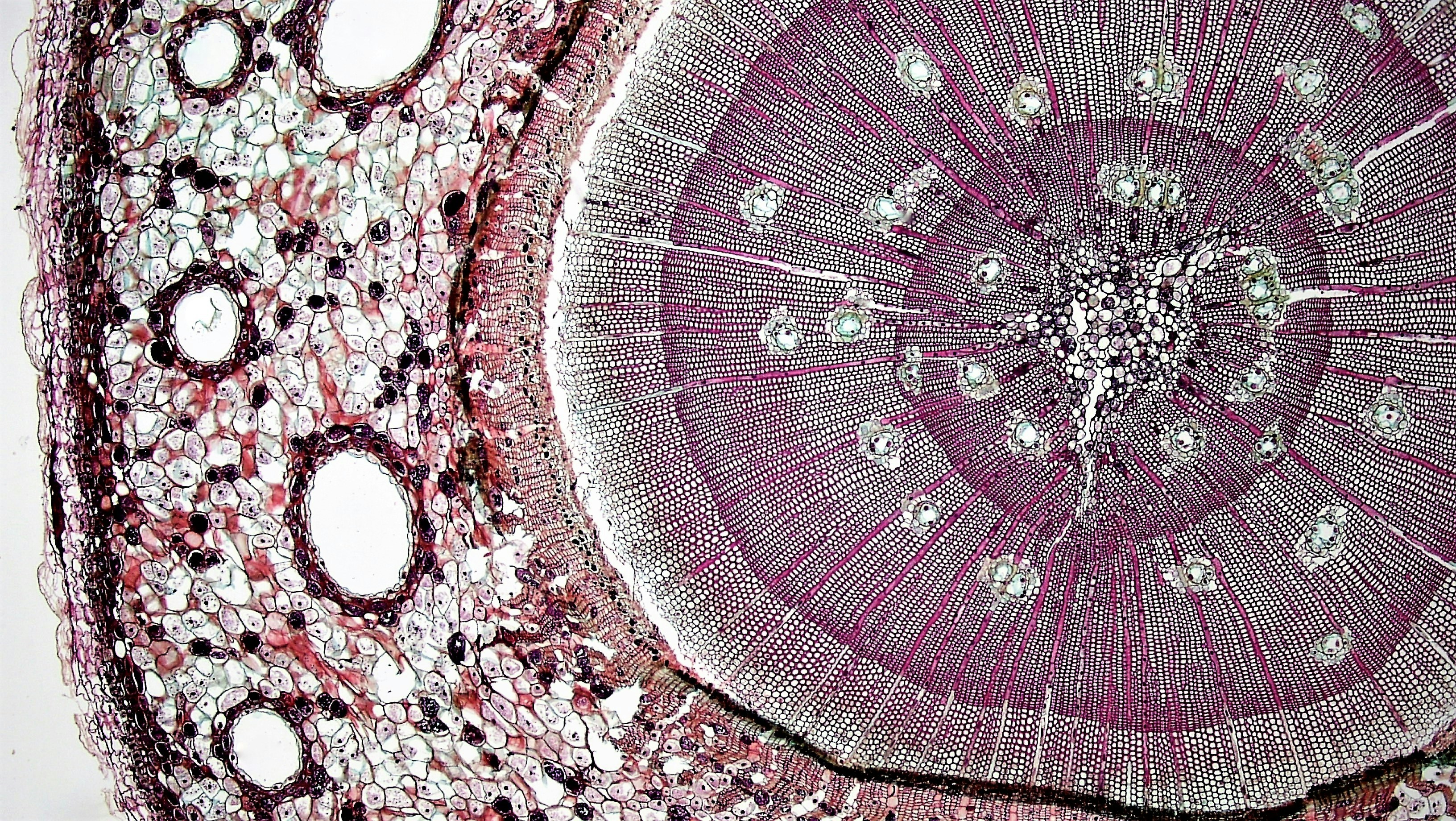
Introduction to Vascular Tissues
Vascular tissues are vital components of higher plants, playing a crucial role in their growth and development. These specialized tissues are primarily responsible for the transport of water, nutrients, and sugars throughout the plant, ensuring that all parts receive the necessary resources for survival.
Functions of Vascular Tissues
The two main types of vascular tissues in plants are xylem and phloem. Xylem is responsible for transporting water and dissolved minerals from the roots to the leaves, where photosynthesis occurs. Phloem, on the other hand, moves the organic compounds, such as sugars generated during photosynthesis, down to the roots and other parts of the plant. This efficient system enables plants to maintain homeostasis and regulate growth effectively.
The Importance of Vascular Tissues in Plant Adaptation
Vascular tissues allow plants to adapt to a variety of environmental conditions. By developing complex structures like roots, stems, and leaves, vascular plants can thrive in diverse habitats, from dry deserts to lush rainforests. The evolution of these tissues has been significant in allowing plants to grow taller and compete effectively for sunlight, which is essential for photosynthesis.
In conclusion, vascular tissues are a defining characteristic of higher plants, facilitating key processes that sustain life. Understanding these tissues can provide valuable insights into plant biology and ecology.