
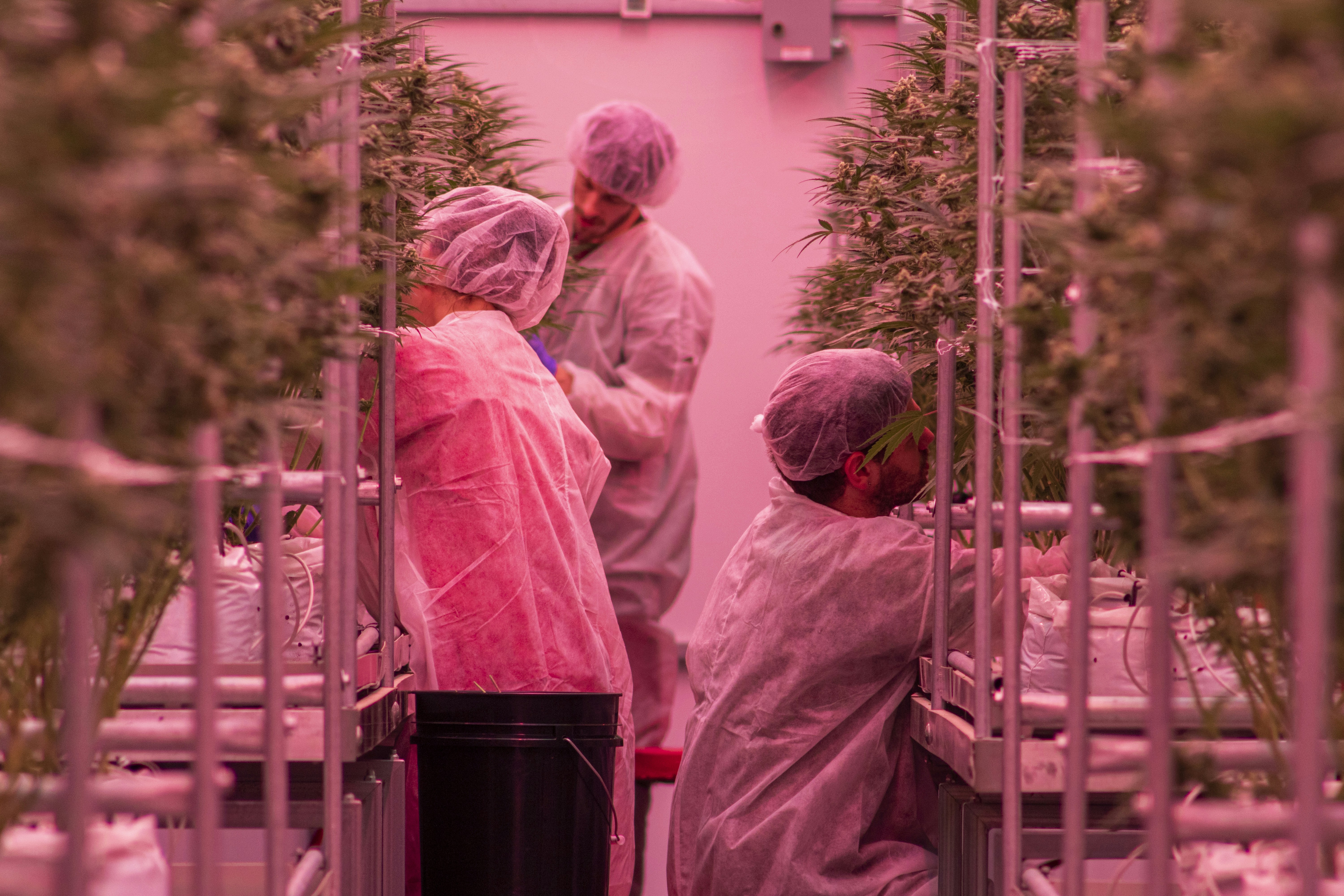
Introduction to Experimental Design in Plant Science
Experimental design is a crucial aspect of research in agricultural biotechnology and horticulture, serving as the framework that guides the collection and analysis of data. Effective experimental design is fundamental for generating reliable and reproducible results, which are essential for advancing knowledge and application in these fields. A well-structured experiment allows researchers to systematically investigate specific hypotheses while controlling for variables that could potentially skew results.
One important element in experimental design is the selection of appropriate treatments and controls. In the context of agricultural biotechnology, this may involve varying gene constructs, nutrient regimes, or environmental conditions, while horticulture might focus more on plant varieties, soil types, or irrigation practices. By establishing clear treatment protocols, researchers can gain insights into how different factors impact plant growth, development, and yield.
Moreover, the choice of design type—whether it be completely randomized, randomized block, or factorial—is instrumental in capturing the necessary data effectively. A well-planned design minimizes potential biases and increases the likelihood of obtaining statistically significant results. Additionally, replication within experimental designs is vital, as it provides the necessary data for drawing sound conclusions and building credible scientific knowledge.
Furthermore, it is essential that researchers consider the logistical aspects of their experiments, including sample size and duration. A thoughtfully designed study that includes considerations for time, resource availability, and environmental conditions will lead to more robust findings. Ultimately, mastering the fundamentals of experimental design in agricultural biotechnology and horticulture not only enhances the quality of research but also contributes to innovation and improved practices in plant science.
Types of Experimental Designs in Agricultural Biotechnology
In the field of agricultural biotechnology and horticulture, the choice of experimental design is critical in obtaining reliable and interpretable results. Each design type serves unique purposes, and understanding these can greatly influence research outcomes.
One of the most commonly used designs is the Complete Randomized Design (CRD). This design allows for the random allocation of treatments across all experimental units. The primary advantage of CRD is its simplicity, enabling straightforward statistical analysis. However, it may be less effective when there are significant variations among experimental units.
Another widely utilized design is the Randomized Block Design (RBD). This design addresses variability by grouping experimental units into blocks that are similar, thus minimizing the effects of extraneous variability. By randomly assigning treatments within these blocks, RBD improves the precision of the experiment. It is particularly useful when research involves agro-ecological gradients that may affect plant growth.
For studies where resource constraints are a concern, the Split-Plot Design is beneficial. This design involves two levels of treatment: a main treatment applied to whole plots and a sub-treatment assigned to subplots. The advantage of this design is that it allows researchers to test more factors in limited space while still providing a robust analysis of interaction effects between treatments.
Lastly, Factorial Designs enable the assessment of multiple factors simultaneously. By investigating the interactions between different treatment variables, factorial designs provide comprehensive insights into complex relationships that affect crop performance and quality. This approach is advantageous in exploration studies where the effects of numerous factors are of interest.
In summary, understanding the strengths and applications of CRD, RBD, Split-Plot, and Factorial Designs is essential for researchers in agricultural biotechnology and horticulture. Utilizing the appropriate design can significantly enhance the reliability of experimental results, ultimately contributing to advancements in crop improvement and plant science.
Key Research Factors in Agriculture and Horticulture
As researchers delve into the intricacies of agricultural biotechnology and horticulture, several critical factors emerge that significantly influence the outcomes of their experiments. Understanding these factors is essential for the successful interpretation and application of research findings.
One of the primary considerations in agricultural research is the environmental conditions. Variability in weather patterns, soil composition, and microclimates can greatly affect plant growth and development. For instance, temperature fluctuations, humidity levels, and rainfall can lead to differing results in trials. Researchers must carefully calibrate their experiments to account for these variables, often employing controlled environments or field trials in diverse conditions to ensure robust results.
Another pivotal element is plant genetics. The genetic makeup of crops determines their adaptability, disease resistance, and yield potential. Research necessitates a thorough understanding of plant breeding and genetic engineering, with outcomes often aiming to enhance desirable traits while minimizing vulnerabilities. By leveraging genetic research, scientists can develop new varieties that are not only high-yielding but also resilient to changing environmental conditions.
Additionally, management practices play a crucial role in shaping research efficacy. These practices encompass a wide array of activities, from pest and nutrient management to irrigation techniques and crop rotation. Comprehensive management strategies that consider the holistic interactions in agro-ecosystems can lead to more sustainable crop production. Researchers need to evaluate various management practices during experiments to determine the best combinations that optimize both productivity and environmental sustainability.
In conclusion, a holistic approach that integrates environmental conditions, plant genetics, and effective management practices stands as a backbone for successful research in agriculture and horticulture. By paying close attention to these factors, researchers can unlock new potential within the fields of agricultural biotechnology and horticulture.
Parameters to Measure: Growth, Yield, Biochemical Markers, Molecular Traits
In the realm of agricultural biotechnology and horticulture, designing experiments that yield meaningful results hinges on the precise measurement of various parameters. Key among these are growth rates, yield performance, and the analysis of biochemical markers and molecular traits. These metrics provide vital insights into plant performance, thereby allowing researchers to optimize cultivation practices and develop superior crop varieties.
First and foremost, assessing growth rates is essential for understanding how plants respond to different environmental conditions and treatments. Growth is often quantified through parameters such as height, leaf area, and biomass accumulation. By tracking these indicators, researchers can identify which conditions foster optimal development and tailor their strategies accordingly.
Yield performance is another critical parameter, reflecting the overall productivity of a crop. This can be measured in terms of weight, volume, or number of harvested products. Analyzing yield not only helps in evaluating the economic viability of a plant variety but also aids in the assessment of genetic improvements and their practical implications in real-world agricultural settings.
The examination of biochemical markers provides further depth to plant assessment. These markers can include secondary metabolites, enzymes, and other compounds that might influence traits such as flavor, disease resistance, and nutritional value. Understanding these biochemical components allows researchers to correlate specific characteristics of plants with their genetic profiles.
Finally, the analysis of molecular traits, including DNA and RNA expression levels, plays a pivotal role in agricultural biotechnology. By dissecting the molecular mechanisms that drive plant performance, researchers can enhance breeding programs and contribute to the development of crops capable of withstanding biotic and abiotic stresses, ultimately ensuring food security in a changing climate.
Tips for Data Collection, Analysis, and Reproducibility
Effective data collection and analysis are fundamental components of successful research in agricultural biotechnology and horticulture. To ensure comprehensive data collection, researchers should begin by clearly defining their research objectives and the key variables of interest. This foundation will lead to the identification of appropriate data collection methods, whether they involve field trials, laboratory experiments, or surveys in specific environments.
Utilizing standardized protocols is essential for maintaining consistency throughout the data collection process. This includes predefining the procedures that will be followed and employing tools that have been validated for accuracy. Additionally, researchers should document all steps meticulously, including the context in which data is collected, which cultivates transparency and integrity in the research. It is advisable to implement multiple data collection strategies to corroborate findings. Techniques can range from quantitative methods, such as measurement of yield or growth rates, to qualitative methods like interviews or observational data, ensuring a comprehensive dataset.
Once data has been collected, robust analysis techniques must be employed. Utilizing statistical software can enhance data interpretation, allowing researchers to identify trends and correlations that may not be immediately evident. Importantly, data visualization methods should be adopted to present findings clearly, making them accessible to a broader audience.
Reproducibility is a critical element in scientific research, especially in the context of agricultural studies where findings can impact industry practices. To facilitate reproducibility, researchers should ensure that all methodologies are well-documented, including experimental designs, data collection methods, and analytical techniques used. Sharing raw data and detailed protocols is also encouraged within the scientific community to foster collaboration and verification of results.
Real-Life Examples from Plant Biotechnology Experiments
The field of plant biotechnology is rich with examples that demonstrate its profound impact on agriculture and horticulture. One notable case is the development of genetically modified (GM) crops, which has significantly contributed to pest resistance and improved crop yields. For instance, Bt cotton, which expresses a toxin from the bacterium Bacillus thuringiensis, has been cultivated widely across various countries. This modification has not only reduced the need for chemical insecticides but has also led to an increase in profitability for farmers due to higher crop output.
Another pertinent example is the use of CRISPR-Cas9 technology in developing disease-resistant plants. Scientists successfully utilized this gene-editing tool to create a variety of wheat that is resistant to wheat rust, a pathogen that threatens global food security. The experimental design involved targeted mutations which led to the plant’s enhanced resistance, showcasing the innovative potential of biotechnological methods in addressing critical agricultural challenges.
Apart from genetic modifications, plant tissue culture techniques have played a pivotal role in horticulture. Tissue culture allows for the rapid propagation of plant species that are difficult to reproduce through conventional methods. For example, the production of disease-free banana plants through micropropagation has enabled farmers to overcome the banana wilt disease, ensuring the sustainability of banana farming in affected regions.
These case studies exemplify how experimental designs in plant biotechnology not only advance our understanding of plant genetics but also provide tangible benefits in agricultural practices. By employing methodologies such as genetic modification, CRISPR, and tissue culture, researchers can address various agricultural issues, thereby unlocking the potential of crops to meet the demands of the growing global population.
Conclusion: Enhancing Research Skills in Agricultural Biotechnology and Horticulture
In reflecting upon the discussion surrounding experimental design and the various critical factors influencing research in agricultural biotechnology and horticulture, several essential themes emerge. The importance of a robust and well-structured experimental design cannot be overstated; it serves as the foundation upon which successful research initiatives are built. Researchers in these fields must prioritize clarity and precision in their research objectives to ensure relevant and impactful outcomes.
One key takeaway is the necessity of integrating interdisciplinary approaches. By collaborating with experts from various scientific backgrounds, researchers in agricultural biotechnology can enhance their experimental designs and methodologies, thereby broadening the scope and depth of their studies. This collaboration can lead to innovative solutions to complex agricultural challenges and contribute significantly to advancements in crop development and sustainability.
Moreover, understanding the environmental factors affecting agricultural systems is crucial for conducting rigorous research. Factors such as soil health, climate conditions, and pest dynamics can significantly impact research outcomes, making it vital for researchers to incorporate these variables into their experimental designs. Utilizing advanced analytical techniques and technologies can further enhance research effectiveness, allowing for more precise data collection and interpretation.
Furthermore, a commitment to continuous learning and adaptation is essential for researchers aiming to excel in agricultural biotechnology and horticulture. Keeping abreast of the latest scientific developments and emerging technologies will not only deepen one’s understanding of the subject matter but will also foster innovation in research practices. This proactive approach will facilitate the development of cutting-edge solutions that address the evolving challenges in agriculture.
In conclusion, by applying these insights, researchers can elevate their skills and contribute to meaningful advancements in agricultural biotechnology and horticulture, ultimately leading to enhanced food security and sustainable agricultural practices.
Resources and Further Reading
For individuals looking to deepen their knowledge and skills in agricultural biotechnology and horticulture, a wealth of resources is available. These encompass a range of materials, including academic textbooks, peer-reviewed articles, and online courses that can enrich one’s understanding of experimental design and other vital topics within these fields.
One prominent textbook is “Biotechnology for Beginners” by Reinhard Renneberg, which covers fundamental concepts in biotechnology, suitable for both novices and experts alike. The integrated approach offers insights into practical applications, making it a valuable addition to any researcher’s library. Similarly, “Plant Biotechnology: Principles and Applications” by Taji A. Tsimba provides an in-depth analysis of sustainable practices in horticulture and agriculture.
Peer-reviewed journals such as the “Journal of Agricultural and Food Chemistry” and “Horticultural Science” publish cutting-edge research on experimental methods and innovations in agricultural biotechnology. These journals are essential for staying current with recent findings and advancements in the sector.
For those who prefer online learning, platforms like Coursera and EdX offer courses specifically focused on agricultural biotechnology and experimental design. These courses often provide structured learning experiences led by industry experts, making complex topics accessible to a broad audience.
Moreover, organizations such as the American Society of Agronomy and the International Society for Horticultural Science provide valuable resources, including conferences, workshops, and newsletters that feature the latest research and best practices. Engaging with these professional communities can enhance networking opportunities and facilitate collaborations among researchers.
In conclusion, a diverse array of resources is at your disposal, supporting your pursuit of knowledge in agricultural biotechnology and horticulture. By leveraging these materials, you can significantly enhance your understanding and application of experimental design principles in your research endeavors.
Unlock Insights Through Visual Learning
To truly grasp the complex concepts discussed in our exploration of agricultural biotechnology and horticulture, we invite you to watch the accompanying video. This dynamic presentation delves deeper into the essential themes outlined in our blog post. By engaging with the video content, you will gain enhanced insights into methodologies and innovations shaping the future of agricultural research.
The visual format offers an engaging way to absorb information, enabling you to see practical applications of the research methodologies in action. You’ll have the opportunity to witness real-world examples, illustrating how scientific principles are applied to solve pressing challenges in agriculture. This learning experience is conducive to enhancing your understanding and equipping you with valuable skills necessary for effective agricultural research.
Moreover, the video serves as a significant supplement to the written content, breaking down intricate ideas into digestible segments. It not only contextualizes theories but also showcases the role of biotechnology in cultivating a sustainable agricultural ecosystem. Understanding these concepts is paramount, especially as we face the evolving challenges of global food security, climate change, and resource management.
We encourage you to take a moment and engage with this resource. By watching the video now, you’ll be investing in your knowledge and skills, which are critical in this ever-evolving field. Embrace the opportunity to further your learning and become an informed participant in the conversation surrounding agricultural biotechnology and horticulture. Don’t miss out—click to watch and expand your mastery of agricultural research today!