
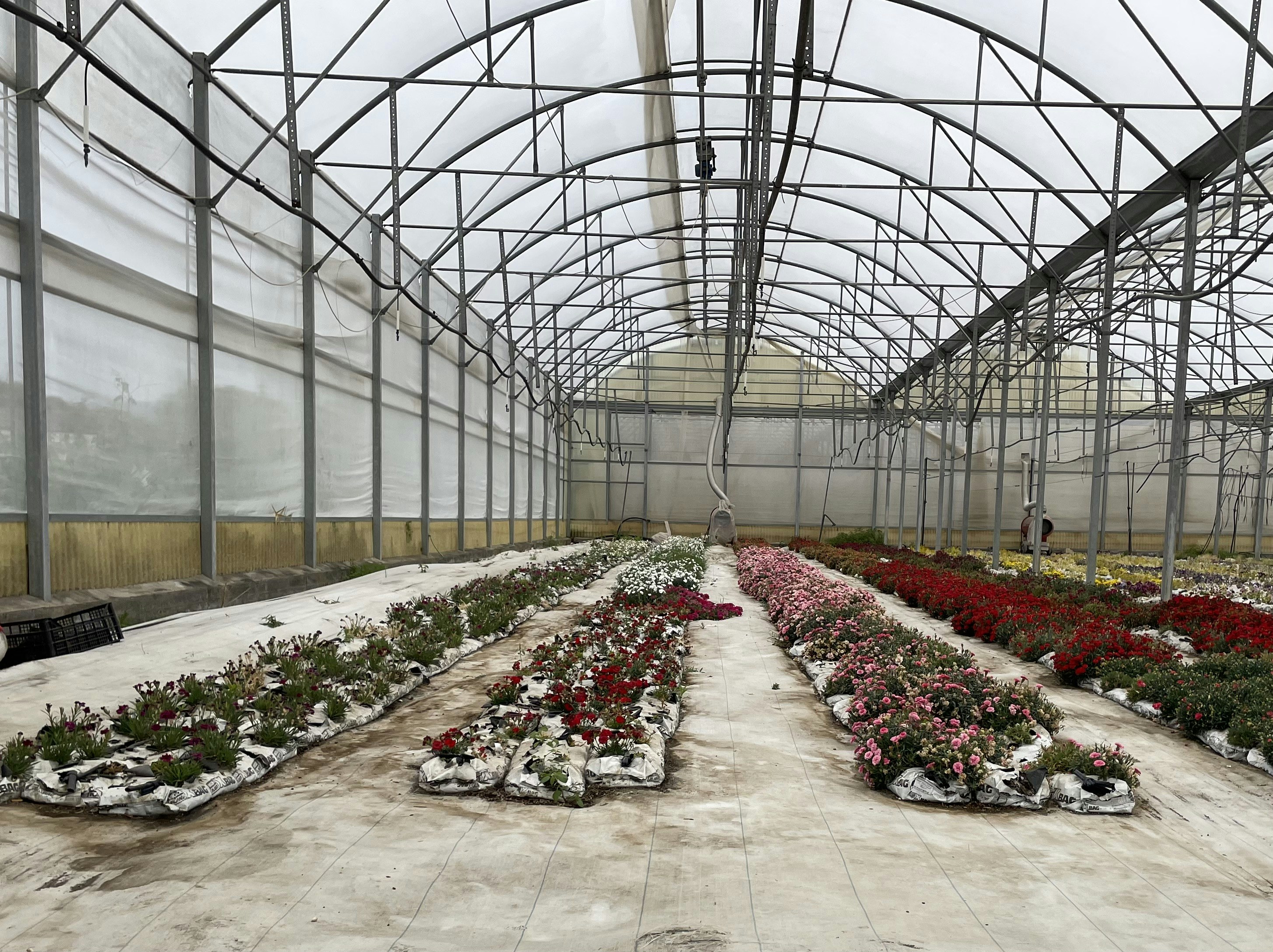
Understanding Postharvest Management in Floriculture
Postharvest management in floriculture is a critical phase that significantly influences the quality and longevity of floral products. This process encompasses a variety of practices and technologies aimed at maintaining the freshness and aesthetics of flowers post-harvest. The significance of effective postharvest management cannot be overstated, as it seeks to enhance flower quality, extend shelf life, and ultimately reduce wastage, which can have substantial economic implications for growers, wholesalers, and retailers.
One of the primary goals of postharvest management in the floriculture industry is to preserve the physical appearance and physiological health of flowers. To achieve this, it is crucial to address specific challenges that arise during the postharvest phase. These include issues related to temperature control, water loss, and microbial growth, all of which can lead to rapid deterioration of floral products. Implementing temperature regulation practices is essential, as flowers are sensitive to temperature fluctuations that can significantly impact their longevity. Refrigeration and maintaining an optimal temperature range are vital strategies employed to minimize stress on flowers.
Water loss is another critical challenge in postharvest management. Flowers are composed mostly of water, and even slight dehydration can affect their color and overall quality. Hydration techniques such as using clean water solutions and conditioning treatments are employed to maintain an adequate moisture level in floral products. Additionally, controlling microbial growth is essential to prevent rot and decay, which could compromise the flowers’ marketability. Using appropriate sanitation methods and preservatives can help mitigate these risks and enhance flower durability.
To optimize postharvest outcomes, floriculture professionals must remain informed about best practices and new technologies. By focusing on the critical aspects of postharvest management, the industry can work towards sustaining floral quality and ensuring that flowers remain visually appealing for as long as possible, benefiting both suppliers and consumers alike.
Key Techniques for Effective Postharvest Handling
In the floriculture industry, postharvest handling is crucial to maintaining the quality and longevity of cut flowers. Various techniques can significantly enhance the lifespan of these floral products, ensuring they remain visually appealing for consumers. One of the most critical phases is during harvesting. Proper timing is essential; flowers should be harvested early in the morning or late in the afternoon when temperatures are cooler. This practice helps minimize stress and improves flower hydration levels.
Once harvested, the next step involves ensuring appropriate transportation methods. Flowers should be transported under conditions that promote their freshness, which includes controlling the temperature and humidity of the transport environment. Utilizing insulated containers and refrigerated vehicles can mitigate temperature fluctuations that negatively affect flower quality. During this process, it is vital to minimize mechanical damage by securing the flowers and preventing overcrowding, which can lead to crushing or bruising.
Humidity and hydration strategies are vital for sustaining flower quality throughout the postharvest handling process. A well-hydrated flower is more resilient, so cutting stems underwater can help prevent air from entering the vascular system. Additionally, using a clean, appropriate hydration solution that contains preservatives can extend the life of cut flowers significantly. Regular cleaning and sanitization of tools and equipment used in handling are equally important. This practice prevents the introduction of pathogens that may compromise flower quality. Furthermore, adopting suitable packaging methods—such as using recyclable materials or specially designed boxes to fit the flowers snugly—can prevent damage during transit and storage. These techniques collectively ensure that cut flowers not only survive the postharvest phase but also reach consumers in optimal conditions, thereby enhancing their shelf life and aesthetic appeal.
Treatments and Solutions in Postharvest Management
The postharvest management of floral products is critical in ensuring that flowers maintain their quality and longevity during their display period. Various treatments and solutions play an integral role in this process, focusing on enhancing the vase life of cut flowers and promoting optimal hydration. Flower food formulations, for instance, are specifically designed mixtures containing essential nutrients and antimicrobial agents that nourish flowers while preventing bacterial growth in the water. These formulations often include sugars, which provide energy, along with acids that can lower the pH of the water, thereby improving water uptake.
In addition to flower food, conditioning solutions are vital in preparing flowers for market or display. These solutions generally contain chemicals that aid in the elimination of air bubbles within the stem, ensuring a continuous water supply. Furthermore, it’s crucial to consider the unique hydrating needs of different flower species. For example, woody-stemmed flowers may require different conditioning processes compared to softer-stemmed varieties to optimize their water absorption and shelf life.
The inclusion of preservatives in the postharvest treatment of flowers plays a significant role as well. These preservatives can slow down the natural processes of senescence—where flowers lose their vitality—by addressing factors that contribute to deterioration. Innovative research continues to uncover new preservatives and solutions that can further enhance the lifespan of floral products. For instance, advancements in nanotechnology have led to the development of new preservative agents that can more effectively penetrate plant tissues, enhancing hydration and nutrient absorption.
In conclusion, understanding the specific needs of various flower species, utilizing effective flower food formulations, conditioning solutions, and preservatives are essential strategies in postharvest management. Such measures can significantly enhance the longevity of floral products, providing consumers with the maximum enjoyment of their beautiful arrangements.
Future Trends and Sustainability in Floriculture Postharvest Practices
The floriculture industry is experiencing a significant shift towards sustainable postharvest management practices, propelled by increasing consumer awareness and demand for environmentally friendly products. As buyers become more discerning about the origins and handling of flowers, growers and suppliers are compelled to adopt practices that not only ensure the longevity and quality of floral products but also minimize environmental impact. Key to these efforts is the implementation of eco-friendly practices throughout the supply chain, which encompasses everything from cultivation to the final consumer delivery.
One of the most promising trends is the integration of smart technology in postharvest management. Innovations such as smart monitoring systems for temperature and humidity allow for real-time data collection and analysis, leading to better decision-making and thereby optimizing the conditions for flower preservation. These systems facilitate the maintenance of ideal environments during transport and storage, further enhancing the quality of flowers while significantly reducing waste. By making data-driven approaches available to growers, the industry can achieve a more sustainable workflow that aligns with consumer preferences for high-quality, sustainably sourced products.
Research and development are pivotal in crafting solutions that address sustainability challenges. The exploration of biodegradable packaging materials is an example of how the industry shifts focus toward reducing plastic waste. Moreover, studies exploring the biological aspects of flowers enable the development of natural preservatives, which can extend the shelf life of floral products without relying on harmful chemicals. Such advancements not only help minimize the ecological footprint of the industry but also enhance consumer trust in the products they choose to purchase.
As sustainability becomes a cornerstone of floriculture postharvest practices, the future holds promise for a more responsible industry that prioritizes environmental stewardship alongside quality enhancements. These emerging trends signal a transformative period in floriculture, where sustainability does not compromise quality but enhances it. Overall, the ongoing commitment to eco-friendly practices will likely shape the landscape of floriculture for years to come.