
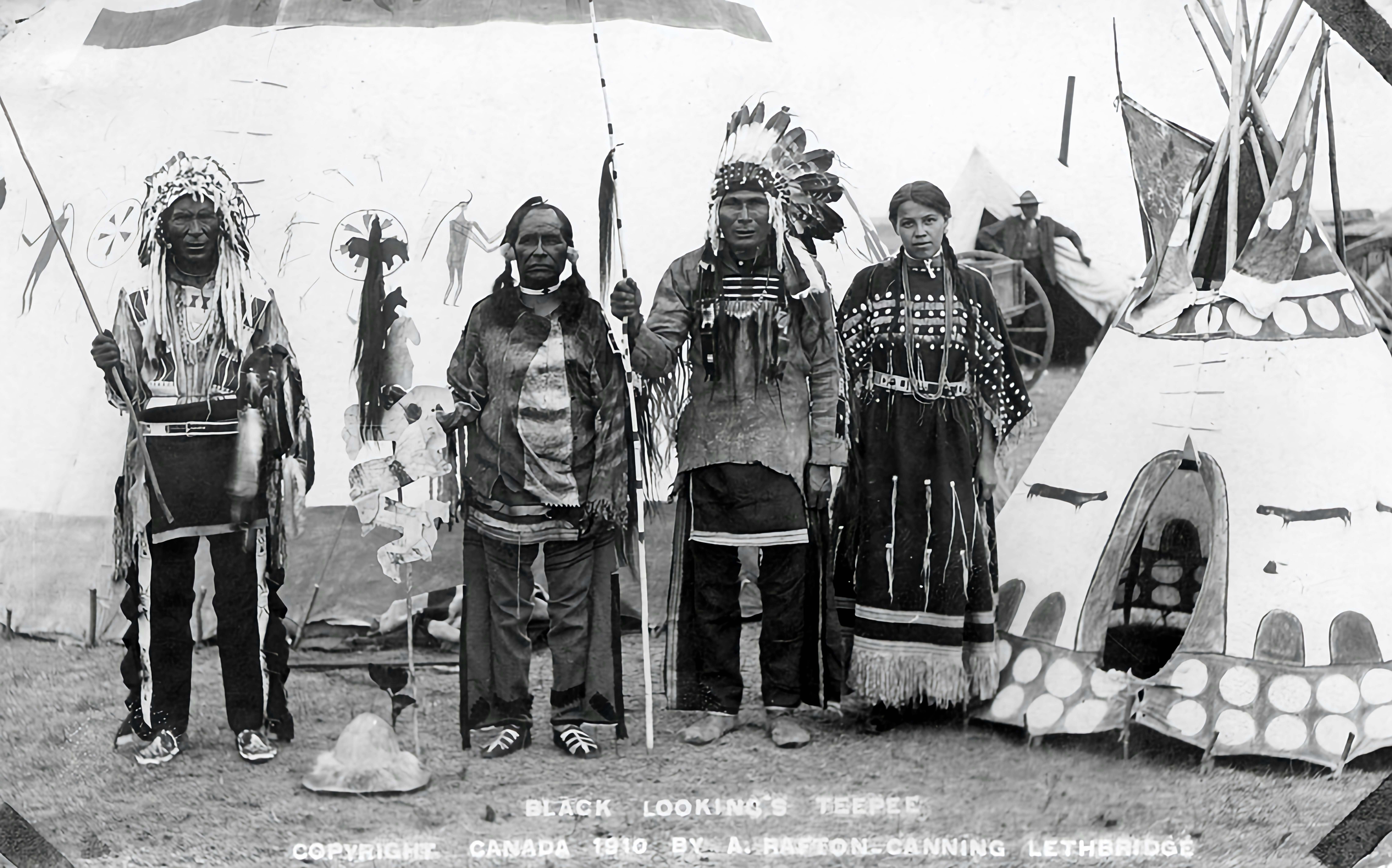
What Are Indigenous Peoples?
Indigenous peoples refer to groups of individuals who are native to a particular region and possess distinct cultural practices, languages, and social structures that differentiate them from dominant or settler populations. These communities often uphold unique traditions and spiritual beliefs, which are deeply rooted in their historical connections to specific territories. The term ‘indigenous’ encompasses a diverse range of groups worldwide, each with their own unique identities and ways of life.
Key characteristics that distinguish indigenous peoples include their traditional knowledge systems, languages, and community governance practices. Many indigenous communities have rich oral traditions that embody their cultural heritage and historical narratives. Their languages are often integral to their identities; however, these languages are increasingly under threat due to external pressures. Colonization has had profound effects on indigenous populations, leading to displacement, loss of land, and marginalization. As a result, many indigenous communities face challenges related to the preservation of their cultural identities.
In a global context, recognizing and preserving the rights of indigenous peoples is essential for promoting social justice and equity. The United Nations Declaration on the Rights of Indigenous Peoples, adopted in 2007, emphasizes the need for governments to respect and protect the cultures, customs, and traditions of indigenous communities. It calls for the recognition of indigenous land rights and their right to self-determination. By fostering greater awareness and understanding of the significance of indigenous identities, societies can work towards safeguarding their cultural heritage and ensuring that their voices are heard in decision-making processes that affect their lives.
Table1: Indigenous Peoples & the Role of DNA
| Topic | Explanation |
|---|---|
| Who Are Indigenous Peoples? (Definition) | Indigenous peoples are the original inhabitants of a region who have historical, cultural, linguistic, and spiritual ties to their land. Their identity is based on culture, community, ancestry, and self-identification, not just biology. |
| Examples | Native Americans, Aboriginal Australians, Māori (New Zealand), Sami (Northern Europe), Indigenous Peoples of the Amazon, Indigenous Tribes of Pakistan (e.g., Kalash). |
| Key Features of Indigenous Identity | Shared traditions, languages, customs, cultural practices, long-term connection to ancestral territory, and belonging to a community that recognizes you. |
| Is DNA a way to determine if someone is Indigenous? | No. DNA alone cannot determine Indigenous identity. Indigenous identity is a political, cultural, and community-based status. DNA cannot confirm membership in a tribe or Indigenous group. |
| What DNA can show | DNA can suggest ancestry patterns, mitochondrial haplogroups, Y-chromosome lineages, and genetic similarity to ancient or regional populations. |
| What DNA cannot show | • It cannot confirm a specific tribe. • It cannot grant Indigenous rights or membership. • It cannot define cultural identity. |
| Why DNA is limited | Many Indigenous groups are not included in commercial DNA databases. Genetic variation inside groups is large, and ancestry can be mixed. Identity is based on community acceptance, not genetics. |
| Acceptable Use of DNA in Indigenous Studies | Population history, migration studies, ancient DNA (aDNA) research (with consent), genetic disease studies (ethically). |
| Unacceptable Use | Using DNA to “prove” someone’s identity, tribal affiliation, or land rights — considered unethical and scientifically invalid. |
Historical Context of Indigenous Peoples
The historical experiences of Indigenous peoples are marked by resilience and resistance, deeply intertwined with the broader narrative of colonization. From the onset of European contact, Indigenous communities faced drastic changes that fundamentally altered their societies, economies, and cultures. Colonization often led to widespread dispossession of lands, as territories regarded as sacred and vital for survival were appropriated for settlement and exploitation. This infringement not only resulted in loss of land but also diminished access to essential resources that sustained Indigenous lifestyles.
Moreover, the introduction of foreign diseases and the imposition of unfamiliar governance systems decimated populations and disrupted traditional practices. In many cases, Indigenous peoples were treated as wards of the state, leading to the assimilation policies that sought to erase their identities. Resistance took many forms, ranging from armed conflict to diplomatic negotiations, as communities strived to maintain their way of life and assert their rights. Notable events, such as the Plains Wars in North America and various treaties across continents, illustrate the persistent struggle of Indigenous nations to reclaim autonomy and resist cultural erasure.
The ongoing challenges that Indigenous communities face today are rooted in these historical injustices. Land dispossession continues to be a critical issue, often resulting in disputes over territory and resources. Cultural erosion persists as languages and traditions face extinction amidst globalization and urbanization. Additionally, socio-economic disparities highlight the lingering effects of colonization, as many Indigenous peoples grapple with issues related to health, education, and economic development. Despite these challenges, Indigenous communities continue to show remarkable resilience, actively engaging in advocacy for their rights and heritage, thereby ensuring their voices are heard in contemporary society.
How to Identify Indigenous Peoples in Any Area
Recognizing indigenous peoples within various regions requires keen observation and understanding of their unique cultural markers. One of the primary indicators is the presence of traditional practices that reflect the community’s historical and spiritual connection to the land. Observing local ceremonies, rituals, or festivals can offer significant insights into the cultural heritage of indigenous groups. These practices are often intertwined with seasonal changes and the environment, providing a tangible link to their ancestral traditions.
Language serves as another vital indicator for identifying indigenous peoples. Many indigenous groups have distinct languages or dialects that differ significantly from the dominant language of the region. Listening for these languages during community interactions can be an enlightening experience. Additionally, the use of language in names for local landmarks or geographical features often holds cultural significance, revealing a deep-rooted relationship with the territory.
Cultural symbols, including traditional clothing, art, and handicrafts, are essential identifiers of indigenous identity. These symbols may carry specific meanings tied to the history, spirituality, or social structure of the community. Engaging with local artisans and observing their craft can deepen one’s understanding of these significant expressions of culture.
Moreover, community governance structures can reveal important characteristics of indigenous populations. Many indigenous communities have their own systems of governance that may operate independently from official state structures. This can include councils, traditional elders, or assemblies that work to uphold the customs and values of the community. Engaging with community members can enhance understanding and respect for how these governance systems function and their role in preserving indigenous identity.
Finally, fostering relationships with local indigenous representatives through respectful engagement can provide deeper insights into their culture. Listening actively and allowing indigenous peoples to voice their perspectives will not only enrich your understanding but also contribute to the respectful acknowledgement of their significance in any area.
The Importance of Supporting Indigenous Communities
Supporting indigenous communities is crucial for various reasons, all of which contribute to the overall richness of human society. First and foremost, indigenous peoples are vital custodians of cultural diversity. Their unique languages, traditions, and worldviews offer invaluable insights into humanity’s collective experience. By recognizing and celebrating these contributions, societies can foster an environment of learning and respect, highlighting the significance of cultural heritage in a globalized world.
Moreover, the knowledge and practices of indigenous peoples, particularly in areas such as agriculture, medicine, and environmental stewardship, play an essential role in promoting sustainability. Many indigenous communities have developed holistic approaches to land management that can inform contemporary practices and aid in combating climate change. Supporting these practices not only enhances biodiversity but also contributes to the long-term resilience of ecosystems worldwide.
Advocating for the rights of indigenous peoples is also crucial. Ensuring that they have a voice in local, national, and international decision-making processes can help combat inequalities and injustices historically faced by these communities. Raising awareness about indigenous issues, such as land rights, self-determination, and environmental protection, is vital to create a more equitable future. Individuals and organizations can engage in advocacy through educational programs, campaigns, and by supporting indigenous-led initiatives, thereby amplifying their voices and concerns.
In conclusion, supporting indigenous communities is pivotal in sustaining cultural diversity and promoting social equity. By recognizing their contributions and advocating for their rights, society can enhance global heritage and work towards a more inclusive and sustainable world. Simple acts of solidarity, combined with a commitment to education and awareness, can bridge the gap between indigenous and non-indigenous communities, fostering a spirit of cooperation and mutual respect.