

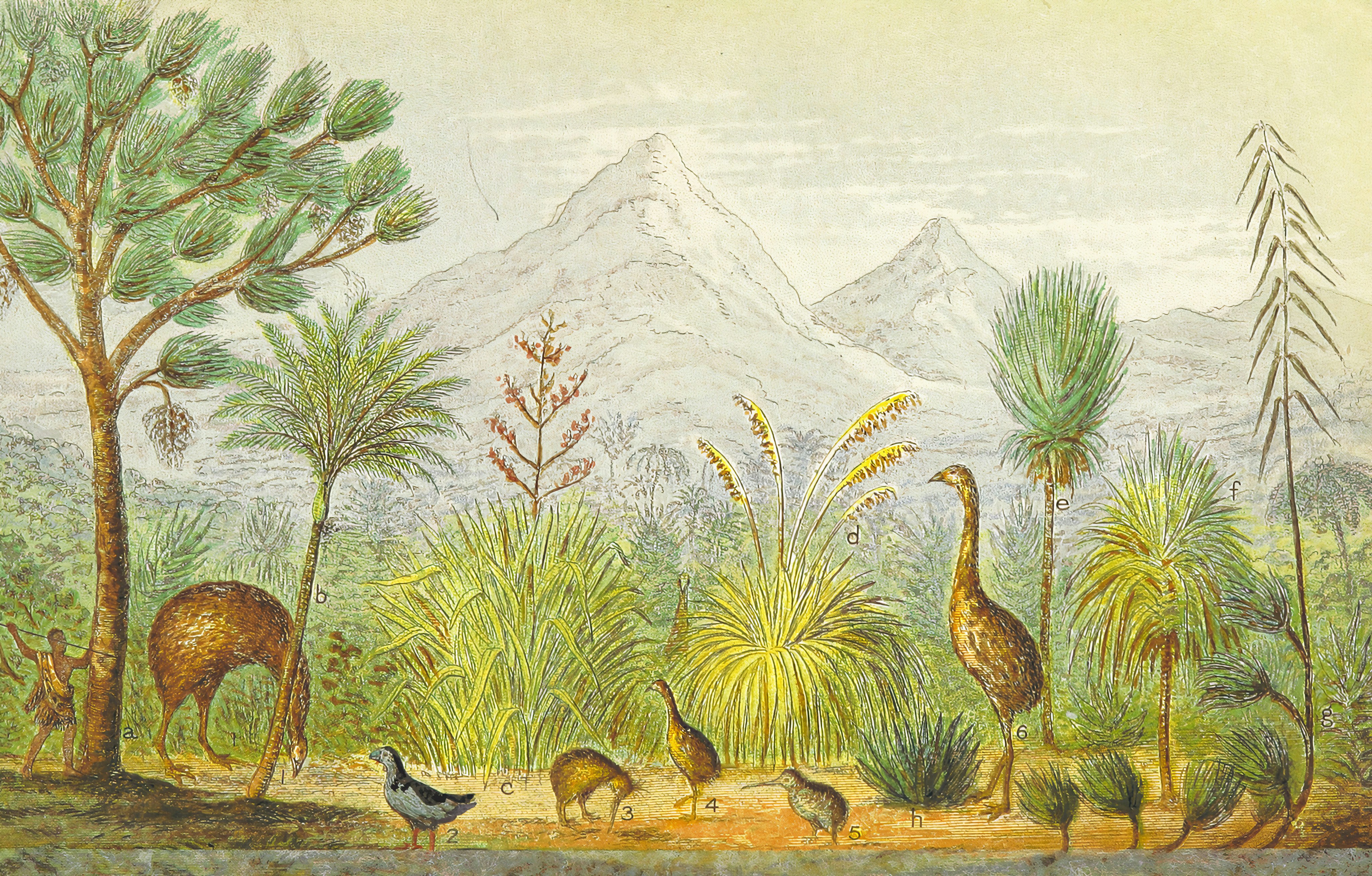
Introduction to Ancient Plant Genomics
Ancient plant genomics is a burgeoning field that focuses on the study of DNA extracted from plants that thrived in historical epochs. This discipline unravels the genetic blueprints of flora that existed long before modern agricultural practices took hold, providing a window into the genetic diversity and evolutionary processes that shaped contemporary plant species. The significance of studying ancient plant genomes lies not only in understanding biodiversity and evolution but also in informing current agricultural and conservation efforts by revealing traits that might be beneficial for crop improvement and resilience to climate change.
Modern advancements in sequencing technologies have revolutionized the ability to access ancient genetic material, which is often fragmented and degraded due to environmental conditions over time. Techniques such as next-generation sequencing (NGS) have made it possible to assemble and analyze these genomes with greater accuracy. By employing bioinformatics tools, researchers can decode ancient DNA, allowing them to trace the lineage of various plant species and uncover the genetic adaptations that enabled their survival in changing climates and ecosystems.
Furthermore, the intersection of paleobotany and genomics has opened up new avenues for research. Through the analysis of preserved specimens from archaeological sites, scientists can compare ancient genomes with those of current plants, thereby shedding light on how domestication and environmental shifts have influenced genetic makeup. This comparative approach not only enhances our understanding of plant evolution but also aids in the reconstruction of ancient diets and ecosystems, offering insights into the relationship between humans and plants throughout history.
In summary, ancient plant genomics is an essential area of research that combines genetics, bioinformatics, and archaeology to explore the complex history of plant evolution. The tools and methodologies developed in this field equip scientists to merge historical knowledge with modern genomic data, thereby enriching our understanding of botanical ancestry and paving the way for future explorations in plant science.
The Importance of Studying Botanical Ancestry
Understanding the ancestry of plants is essential for various fields, including agriculture, medicine, and conservation. The study of botanical ancestry can reveal valuable information about the evolutionary history of species, which is crucial in informing breeding programs aimed at improving crop resilience and yield. By analyzing ancient plant genomes, scientists can identify ancestral traits that may confer advantages in specific environmental conditions, thereby aiding in the development of crops that can withstand challenges such as climate change and pest pressures.
Moreover, the importance of plant ancestry extends into the field of medicine. Many modern pharmaceuticals are derived from plant compounds, and understanding how ancient plants have evolved and adapted can lead to the discovery of new medicinal properties present in both wild and cultivated species. The exploration of these genetic lineages increases the potential for sustainable harvesting of medicinal plants, ensuring that the preservation of biodiversity remains a priority while also meeting healthcare needs.
In the realm of conservation, studying botanical ancestry is vital for maintaining ecological balance and ensuring species survival. Knowledge of plant lineage can assist conservationists in making informed decisions about habitat restoration and protection. By understanding the genetic variability and adaptive traits of various plant species, conservation programs can prioritize initiatives that foster resilience against environmental disturbances, thereby enhancing ecosystem stability.
In conclusion, the significance of studying botanical ancestry transcends basic academic curiosity. It plays a critical role in addressing contemporary challenges such as food security, environmental changes, and healthcare advancements. As the global population continues to rise and environmental issues escalate, a comprehensive understanding of plant ancestry will be indispensable in developing solutions that not only conserve biodiversity but also enhance human well-being.
Modern Techniques in Bioinformatics
In recent years, advances in bioinformatics have significantly transformed the analysis of ancient genomic data from plants. Central to these advancements are sequencing technologies, particularly Next-Generation Sequencing (NGS), which allows for rapid and comprehensive sequencing of DNA samples. NGS provides the capacity to process vast amounts of data, enabling researchers to delve deeply into the genomic architecture of ancient plant species. This technology has rendered previously unattainable information about plant evolution accessible, thus highlighting the interconnectedness of modern plant species with their ancient counterparts.
Furthermore, the analysis of ancient genomes typically involves several bioinformatic tools designed to handle the complex nature of degraded DNA. Samples obtained from archaeological sites often suffer from fragmentation and contamination, presenting a unique challenge for accurate genomic reconstruction. Tools like Bowtie and BWA (Burrows-Wheeler Aligner) facilitate the alignment of short DNA reads to a reference genome, effectively addressing the challenges posed by degraded samples. These tools employ sophisticated algorithms that account for gaps and mismatches in the sequence data.
Data analysis software such as GATK (Genome Analysis Toolkit) and SAMtools are also prominent in the field, enabling researchers to perform variant calling and other essential analyses. GATK’s capabilities allow scientists to identify genetic variations that may elucidate important traits of ancient plants, while SAMtools aids in the manipulation and visualization of genomic data. The combination of these techniques permits researchers to construct a more comprehensive picture of genetic lineage and evolution.
As bioinformatics continues to evolve, so too do the methodologies for exploring ancient genomes. The integration of advanced sequencing techniques and tailored software solutions showcases the importance of computational approaches in unlocking secrets hidden within the ancient plant genomes.
Case Studies: Pioneering Discoveries in Ancient Plant Genomics
The exploration of ancient plant genomes through bioinformatics has yielded groundbreaking insights into the evolution and adaptation of various species. One exemplary study focused on the genomic analysis of an ancient genomic sample from a 30,000-year-old plant found in the Siberian permafrost. Researchers utilized advanced sequencing techniques alongside bioinformatics tools to reconstruct the genomic sequence, revealing crucial aspects of the plant’s environmental adaptations during the Pleistocene epoch. The findings displayed a unique set of alleles, potentially conferring resistance to extreme cold, which may offer clues into how ancient flora adapted to climate changes.
Another significant study examined the genome of the ancient Hawaiian tree, Metrosideros polymorpha. Using bioinformatic analysis, scientists were able to compare the genomic data from ancient herbarium specimens with contemporary samples. The results indicated significant genetic divergence that correlated with historical climatic events. This research underscores the importance of bioinformatics in tracing the evolutionary trajectory of species and highlights the role of environmental shifts in shaping genetic diversity.
A different approach was employed in research examining the remains of ancient domestic crops, including a variety of legumes. Here, scientists applied population genomics, integrating bioinformatics tools to analyze a series of ancient and modern genetic samples. This comprehensive analysis revealed insights into domestication processes and how specific traits have become fixed in these crops over millennia. The genomic data provided evidence of selective pressures imposed by early agricultural practices, enhancing our understanding of the symbiotic relationships between humans and plants through time.
These case studies exemplify the success of employing bioinformatics to unearth vital information from ancient plant genomes. By bridging the gap between past and present, such research not only enriches our understanding of plant evolution but also informs contemporary conservation efforts and agricultural practices.
Challenges in Analyzing Ancient Genomes
The study of ancient plant genomes presents several formidable challenges that can significantly impact the validity and accuracy of genetic research. One of the primary issues is the preservation of DNA, which can degrade over time due to environmental factors such as temperature fluctuations, moisture levels, and exposure to microorganisms. As a result, obtaining high-quality samples from ancient specimens often proves to be a complicated task. In many instances, ancient DNA (aDNA) is present in minuscule quantities, making it difficult to extract and analyze without introducing biases.
Contamination poses another significant hurdle in ancient genome analysis. External DNA from modern organisms can easily contaminate ancient samples during extraction and processing. This contamination can lead to erroneous interpretations of the genetic data, complicating the reconstruction of evolutionary histories. Moreover, the introduction of contemporary genetic material can mask the true genetic makeup of the ancient organism, further clouding our understanding of plant ancestry.
The complexities of interpreting non-modern genetic data also contribute to the challenges faced in this field. Ancient genomes may exhibit significant genetic variations that are not represented in contemporary plant species. Researchers often must grapple with deciphering genetic sequences that lack homologous counterparts in modern databases. This lack of reference points can limit the comparative analysis needed to derive insights about ancestry and evolution.
Additionally, the limitations of current technologies and methodologies in bioinformatics can serve as barriers to advancements in this area. While next-generation sequencing has revolutionized genomic analysis, the inherent challenges associated with ancient DNA mean that scientists must collaborate closely, continually refining techniques to mitigate issues of degradation and contamination. Thus, overcoming these challenges is crucial for a deeper understanding of botanical history.
Ethical Considerations and Conservation
The manipulation of ancient plant genomes raises several ethical considerations that warrant thorough examination. As advancements in bioinformatics enable researchers to decode and resurrect genetic information from ancient organisms, the potential for misuse or unintended consequences increases. The ethical implications revolve around the responsibilities researchers and institutions hold in terms of biodiversity conservation, potential exploitation, and the integrity of ecosystems. For instance, the resurrection of certain plant species could lead to ecological disruptions if these plants are reintroduced into environments where they no longer have natural competitors or ecosystems to support their growth.
Moreover, the temptation to utilize ancient genetic material for commercial gain presents another layer of ethical challenges. Companies may aim to exploit newly discovered genetic traits for profit, overshadowing the need for responsible stewardship of these ancestral resources. It is crucial for researchers and policymakers to create clear guidelines and frameworks that govern the use of ancestral genetic data while promoting conservation priorities.
In the context of conservation, ancient genetic information plays a pivotal role in efforts to preserve endangered plant species and ecosystems. By understanding the genetic diversity present in historical populations, conservationists can implement more informed strategies to enhance genetic diversity within contemporary populations. For example, reviving characteristics from ancient relatives of endangered species may bolster the resilience of these plants against climate change and disease. The knowledge gleaned from ancient genomes can guide selective breeding programs that aim to strengthen existing populations while ensuring ecological balance.
In conclusion, while the resurrection and manipulation of ancient genomes offer groundbreaking opportunities in biodiversity conservation, the potential ethical dilemmas necessitate a careful and responsible approach. Researchers must balance innovation with the imperative to protect our planet’s botanical heritage, ensuring that the lessons of the past serve as a guiding framework for future conservation efforts.
Future Prospects in Ancient Plant Genomics
The field of ancient plant genomics is poised for transformative advancements, driven by rapid changes in bioinformatic technologies. As researchers strive to delve deeper into botanical ancestry, the integration of new analytical methods, machine learning algorithms, and high-throughput sequencing techniques will significantly enhance our understanding of ancient plant genomes. These innovations are not only facilitating the reconstruction of genomes from degraded specimens but are also allowing for a more nuanced understanding of evolutionary lineages.
Future research is likely to utilize advanced computational tools that can handle vast datasets and complex biological information with greater efficiency. This capability will enable scientists to identify genetic traits pertinent to ancient climatic adaptation and survival strategies, thus revealing how legacy genes have shaped contemporary plant biodiversity. The elucidation of these genetic pathways might not only contribute to our understanding of evolutionary biology but also assist in developing strategies for conservation, agriculture, and even climate resilience.
Moreover, the ethical implications of advancements in ancient plant genomics must not be overlooked. As we gain insights into ancient flora and their relationships with early human societies, there emerges a responsibility to consider how this knowledge may impact current agricultural practices and local ecosystems. Collaborative efforts among geneticists, ecologists, and ethicists will be essential to ensure that discoveries made in this field translate into sustainable outcomes that respect historical plant lineages.
Overall, the future of ancient plant genomics promises to be an exciting frontier, where improved bioinformatic techniques will not only revolutionize our understanding of plant ancestry but also inform pressing scientific and societal challenges. As this field develops, continuous dialogue across scientific disciplines will be critical to harnessing the full potential of these emerging insights, paving the way for informed decisions about both our natural heritage and future sustainability.
Practical Applications of Ancient Genomic Insights
The study of ancient plant genomes has emerged as a significant field of interest, providing substantial insights that can be applied in various practical scenarios. One of the most impactful applications is the enhancement of crop resilience. By examining the genomic data of ancient plants that have effectively survived in harsh environments, modern breeding programs can identify and integrate beneficial traits into contemporary crops. This process not only improves their resistance to climate change and pests but also ensures food security as agricultural challenges escalate globally.
Moreover, ancient genomic insights play a critical role in understanding the properties of medicinal plants. By analyzing the genetic makeup of ancestral medicinal species, researchers can identify which genes are responsible for beneficial phytochemical production. This not only aids in the discovery of new pharmaceuticals but also enhances our understanding of traditional herbal remedies, ensuring they are effectively utilized and explored. Therefore, leveraging ancient plant genomes facilitates the advancement of both conventional and alternative medicine.
Another significant application lies in biodiversity conservation efforts. Knowledge derived from ancient plant genomes helps in identifying genetic diversity within endangered species, offering strategies for their preservation. By mapping the genetic traits that have allowed certain plants to thrive in significantly different ecosystems, conservationists can develop targeted management strategies to ensure the survival of these at-risk species. Understanding the evolutionary trajectories of these plants equips conservation programs with the necessary data to foster more effective preservation efforts.
In essence, the practical applications of findings from ancient plant genomics extend across various sectors, including agriculture, medicine, and conservation, thus enriching our capability to tackle contemporary challenges.
Conclusion: Bridging the Past and Future of Botany
As we explore the fascinating realm of ancient plant genomes, it becomes clear that this field serves as a critical link between our ecological past and the sustainable future of botany. By analyzing genetic material from antiquity, researchers can uncover invaluable insights into plant evolution, adaptation strategies, and historical environmental conditions. This knowledge is instrumental in understanding how ancient flora responded to climatic changes, allowing us to glean important lessons applicable to modern plant species.
The study of ancient plant genomics not only enhances our comprehension of biodiversity but also informs conservation strategies in the face of ongoing environmental challenges. As global factors such as climate change and habitat destruction pose significant threats to current ecosystems, drawing from historical data can guide decisions in biodiversity preservation efforts. The molecular fingerprints of ancient plants encapsulate a wealth of strategies that may be vital for the survival of their contemporary relatives.
In addition to conservation, the applications of this research extend to agriculture and horticulture. Insights into the genetic resilience of ancient crops may pave the way for breeding programs aimed at enhancing current varieties. With agriculture facing unprecedented challenges, this historical knowledge acts as a robust toolkit for developing plants that can withstand adverse conditions, ensuring food security and resilience.
As advancements in bioinformatics and genomic technologies continue to evolve, the integration of ancient plant genomics will play a transformative role in shaping our botanical understanding. Future research endeavors in this dynamic field promise to further elucidate the intricate connections between plant ancestry and current ecological dynamics. Therefore, ongoing interest and investment in ancient plant genomics are essential, as they bridge the past and present, allowing us to cultivate a more sustainable future in botany.
