

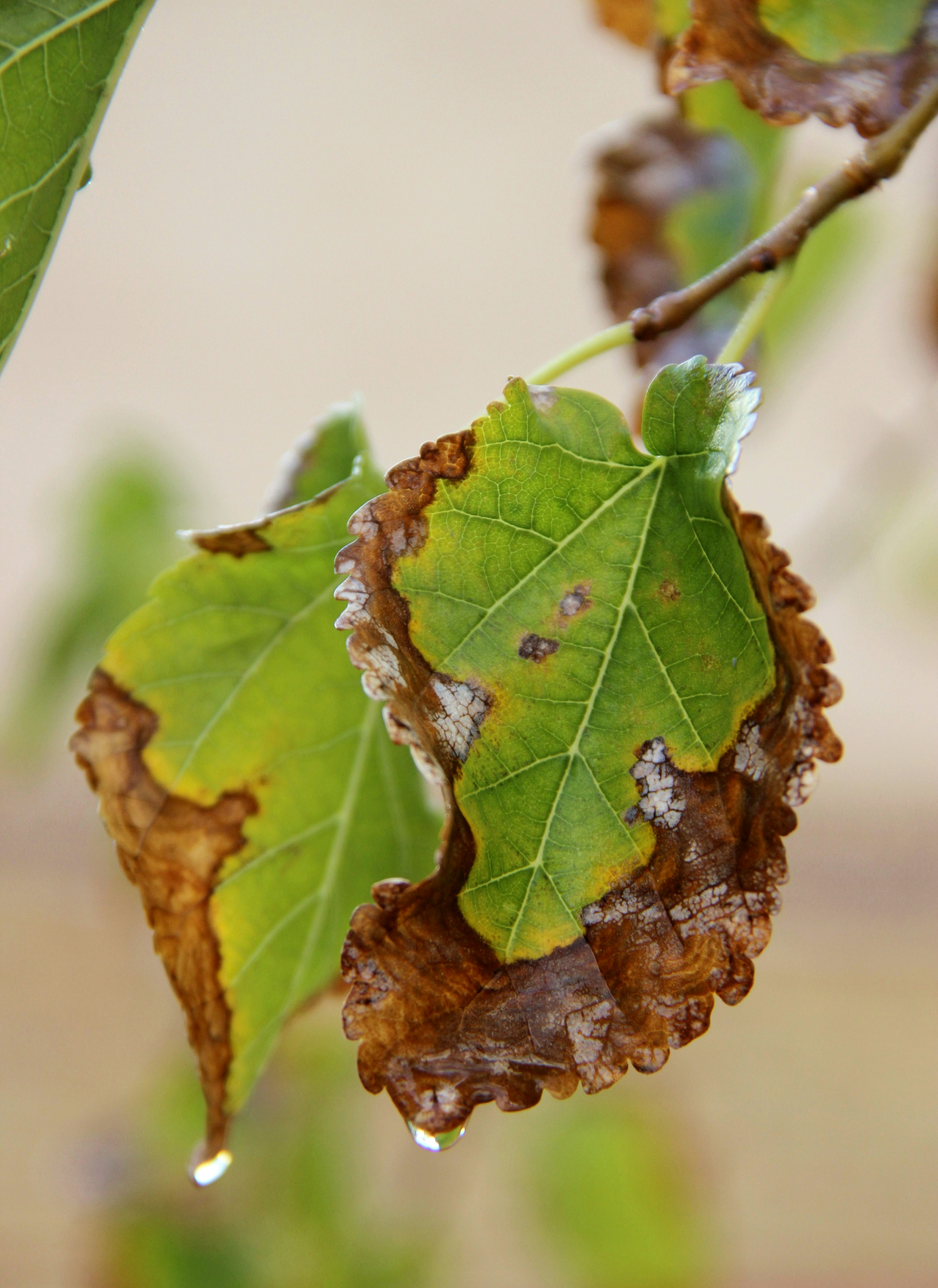
Introduction to Leaf Curl Viruses
Leaf curl viruses are significant plant pathogens that can severely affect crop yield and quality. One notable virus is the pepper leaf curl Lahore virus, which notably requires specific components from another virus to induce its symptoms. Understanding the interaction between these viruses is crucial for effective disease management.
The Mechanism of Viral Interaction
The pepper leaf curl Lahore virus depends on the DNA-B component of the tomato leaf curl New Delhi virus to exhibit noticeable leaf curl symptoms in affected plants. This relationship underlines the complex nature of viral interactions and reveals how mixed infections can amplify pathogenic effects. The dependence on DNA-B signifies a potential vulnerability that researchers can exploit for developing resistant plant varieties.
Implications for Agriculture
Agricultural practices need to evolve to address the challenges posed by these intertwined viral infections. With the rising incidence of such viruses, monitoring and management strategies should be employed to mitigate the impact on crops. Moreover, research published in journals such as Virology by Springer Nature emphasizes the importance of continued exploration in this field to devise innovative solutions for managing leaf curl diseases.
In conclusion, recognizing the interaction between the pepper leaf curl Lahore virus and the tomato leaf curl New Delhi virus is crucial for developing effective agricultural strategies. Continued research and monitoring are essential for safeguarding our crops against these damaging pathogens.
