

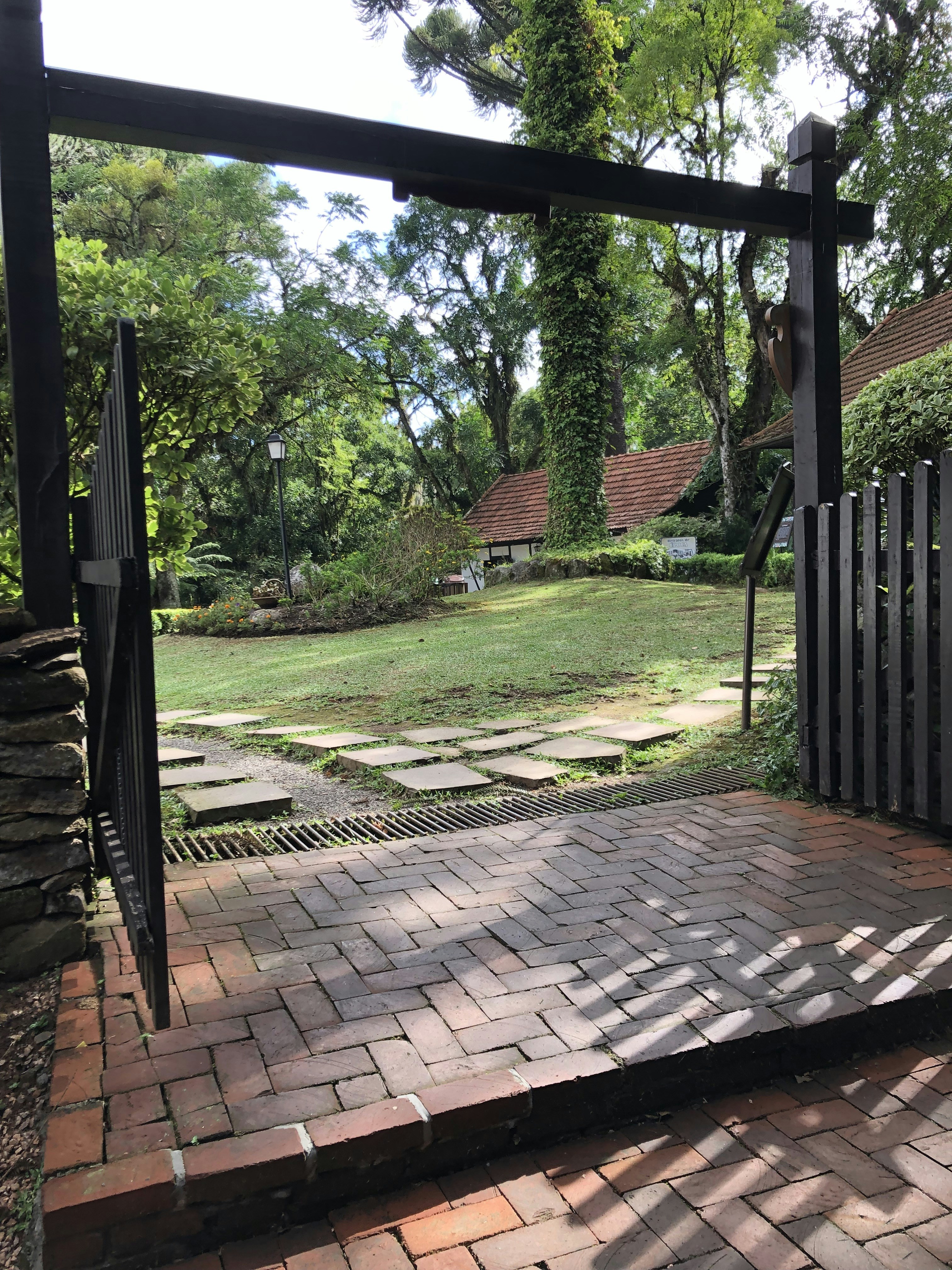
What is Landscape Design?
Landscape design is the art and science of arranging the features of a garden, park, or larger outdoor space. This discipline combines creativity with technical knowledge to enhance the beauty and functionality of outdoor areas. Whether a simple backyard or a complex public park, effective landscape design introduces elements that create harmony within the environment.
The Key Elements of Landscape Design
There are several crucial elements of landscape design that contribute to its overall effectiveness. These include:
- Plants: Selecting the right types of plants is vital. Trees, shrubs, flowers, and grasses should be chosen based on climate, aesthetics, and ecological purposes.
- Hardscapes: This includes all non-plant elements, such as patios, walkways, and walls, which provide structure and usability to a landscape.
- Water Features: Ponds, fountains, and waterfalls not only add beauty but also serve as habitats for wildlife while promoting a serene atmosphere.
The Importance of Sustainable Practices
In modern landscape design, sustainability has become a core focus. Utilizing native plants, creating eco-friendly systems, and enhancing biodiversity are just a few ways designers promote sustainability. The aim is to create landscapes that are not only beautiful but also environmentally responsible.
