

Introduction to DNA
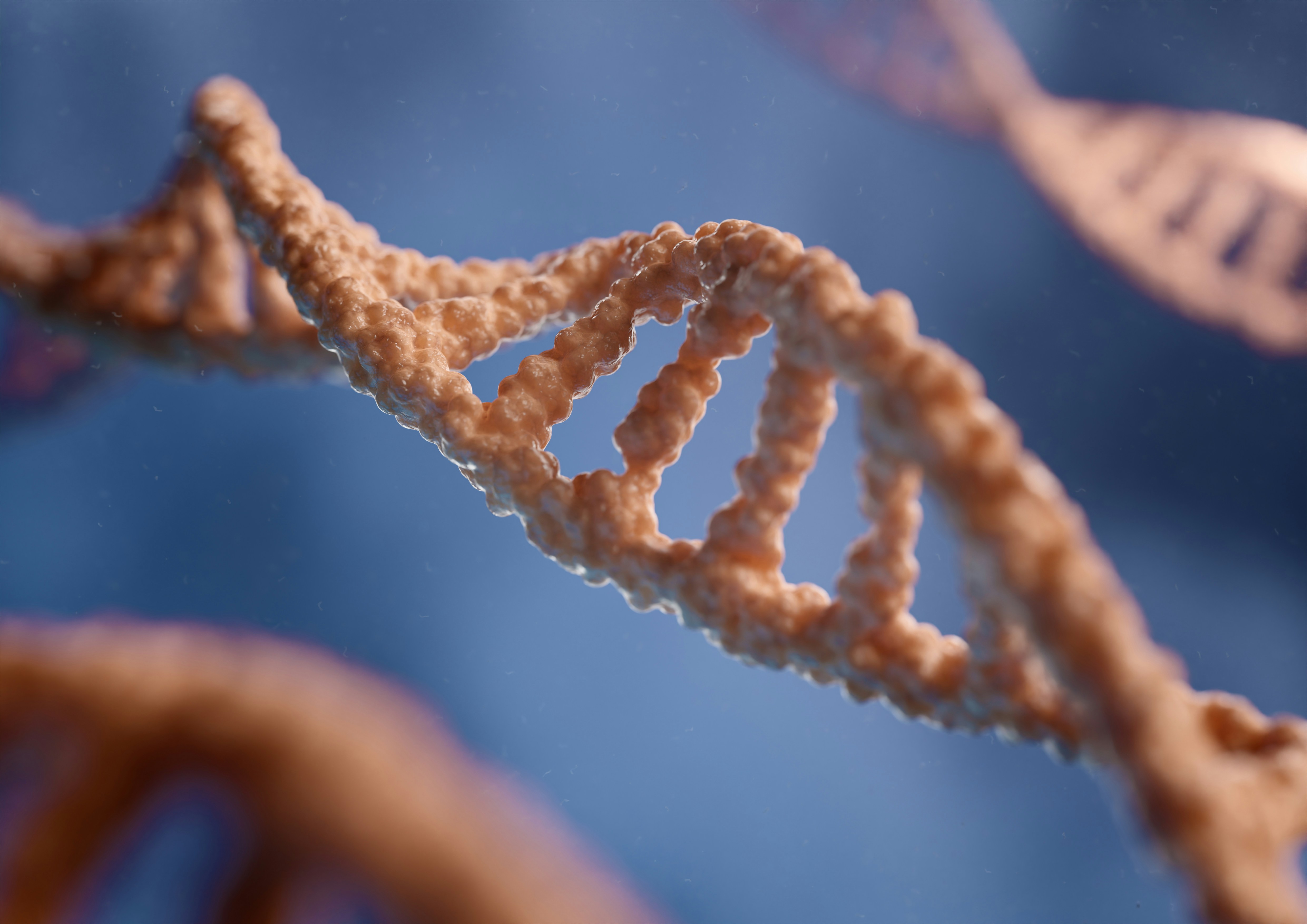
Deoxyribonucleic acid, commonly abbreviated as DNA, is the fundamental molecule that serves as the carrier of genetic information in all living organisms. Structurally, DNA is composed of two long strands forming a double helix, which is significant for its stability and ability to store genetic material. Each strand consists of nucleotides, which include a sugar, a phosphate group, and a nitrogenous base. The sequence of these bases encodes the genetic instructions necessary for the development, functioning, and reproduction of life.
DNA plays a crucial role in heredity, acting as the template for the transmission of genetic traits from parents to offspring. It is through the intricate process of replication and transcription that DNA ensures the continuity of genetic information across generations. These processes are essential not only for growth and reproduction but also for the maintenance of cellular function.
Beyond its biological implications, DNA is integral to various fields of study, including genetics, molecular biology, and biotechnology. Understanding the structure and function of DNA enables researchers to explore the mechanisms of heredity, examine genetic variations, and identify the underlying causes of hereditary diseases. Furthermore, advancements in DNA technology have allowed for significant strides in medical and forensic science, making it a pivotal focus in contemporary scientific research.
In summary, DNA is more than just a biochemical compound; it is the blueprint of life. By comprehending its structure, function, and role in heredity, we can unveil the complexities of biological systems and the principles that govern the living world.
| Topic | Description |
|---|---|
| Full Name | Deoxyribonucleic Acid |
| Abbreviation | DNA |
| Definition | DNA is the molecule that carries genetic information in all living organisms. |
| Location in Cell | Mainly found in the nucleus of cells (in eukaryotes). |
| Structure | DNA has a double helix structure made of two long strands twisted together. |
| Basic Unit | Nucleotide |
| Components of a Nucleotide | 1. Sugar (Deoxyribose) 2. Phosphate group 3. Nitrogenous base |
| Nitrogenous Bases | Adenine (A), Thymine (T), Cytosine (C), Guanine (G) |
| Base Pairing Rule | A pairs with T C pairs with G |
| Main Function | Stores and transmits genetic information. |
| Role in Heredity | Passes traits from parents to offspring. |
| Important Processes | Replication (copying DNA) Transcription (making RNA from DNA) |
| Importance in Science | Used in genetics, molecular biology, medicine, biotechnology, and forensic science. |
| Why DNA is Important | It is known as the “Blueprint of Life” because it controls growth, development, and reproduction. |
The Chemical Structure of DNA
The chemical structure of DNA is fundamental to its role in genetics and cellular function. DNA, or deoxyribonucleic acid, is composed of smaller units known as nucleotides. Each nucleotide consists of three components: a phosphate group, a deoxyribose sugar, and a nitrogenous base. The chemical makeup of these nucleotides allows them to link together, forming the long strands of DNA that are essential for genetic information storage.
There are four types of nitrogenous bases found in DNA: adenine (A), thymine (T), cytosine (C), and guanine (G). These bases are crucial for encoding genetic information. The pairing of these bases follows specific rules: adenine pairs with thymine, and cytosine pairs with guanine. This complementary base pairing is critical for the stability and integrity of the DNA structure, allowing it to function effectively during processes such as replication and transcription.
The backbone of the DNA molecule is constructed from alternating sugar and phosphate groups, which form what is known as the sugar-phosphate backbone. This structure is integral, as it not only provides stability to the DNA strand but also connects the nucleotides in a specific sequence that contributes to the overall genetic code. The unique arrangement of these nucleotides along the backbone, coupled with the paired nitrogenous bases, enables the formation of the renowned double helix structure. Discovered by James Watson and Francis Crick in 1953, this configuration is characterized by two intertwined strands that spiral around each other, providing a compact and efficient means of storing genetic material.
The chemical structure of DNA, with its specific nucleotides and the sugar-phosphate backbone, exemplifies an intricate yet systematic organization that is essential for the function and replication of genetic material, paving the way for the understanding of heredity and biological processes.
| Component | Explanation |
|---|---|
| Sugar | Deoxyribose sugar forms the backbone of DNA. |
| Phosphate Group | Links sugars together to form the DNA backbone. |
| Nitrogenous Bases | Carry genetic information in their sequence. |
| Backbone | Made of alternating sugar and phosphate molecules. |
| Shape | Twisted ladder shape called a double helix. |
The Double Helix: A Closer Look
The double helix structure of DNA is a remarkable formation that enables the crucial functions of this biomolecule. Composed of two intertwined strands, DNA’s double helix shape was first elucidated by James Watson and Francis Crick in 1953. Each strand of DNA is a long polymer made of nucleotide units, which consist of a sugar, a phosphate group, and a nitrogenous base. The two strands are oriented in opposite directions, known as antiparallel orientation, which is vital for DNA replication and function.
Each complete turn of the double helix is approximately 10.5 base pairs long and measures around 3.4 nanometers in height. The helical structure provides a compact and efficient means of packaging genetic information within the nucleus of eukaryotic cells. The twisting nature of the double helix creates a structural stability through base pairing, where adenine pairs with thymine, and guanine pairs with cytosine, forming rungs of the ladder-like structure.
The major and minor grooves present in the DNA helix play critical roles in the interaction of proteins with DNA, as they provide binding sites for transcription factors and other regulatory proteins. This accessibility is key for processes such as gene expression and replication. The helical structure not only protects the genetic material but also facilitates the precise copying of DNA during cell division, which is essential for life.
In summary, the double helix of DNA, with its unique dimensions and structural features, is intricately designed to perform its essential biological roles. The interplay between its architecture and functionality allows for efficient genetic information storage, replication, and expression, highlighting the elegance of biochemical design within living organisms.
Functions of DNA
Deoxyribonucleic acid (DNA) serves several critical functions that are fundamental to the life processes of organisms. Primarily, DNA acts as the repository of genetic information, storing the instructions needed for the development, functioning, growth, and reproduction of all living beings. This genetic material encodes the information that determines the traits and characteristics that are passed from one generation to the next, thus ensuring the continuation of species.
One of the most significant roles of DNA is to code for proteins. Proteins, which are essential for various cellular functions, are synthesized through a process that begins with DNA transcription. During transcription, a specific segment of DNA is transcribed into messenger RNA (mRNA), which then travels from the nucleus to the cytoplasm. Here, the process of translation occurs, wherein ribosomes read the mRNA sequence to assemble a chain of amino acids, ultimately folding into functional proteins. This protein synthesis is central to the central dogma of molecular biology, which outlines the flow of genetic information from DNA to RNA and then to proteins.
Moreover, DNA plays a vital role in cellular processes such as replication. The replication of DNA is a fundamental process that ensures genetic continuity during cell division. Prior to cell division, the entire DNA molecule is duplicated so that each new cell receives a complete set of genetic instructions. This semi-conservative replication involves unwinding the double helix structure of DNA and synthesizing a complementary strand for each original strand, guaranteeing the accurate propagation of genetic information.
In addition to these core functions, DNA is also involved in various regulatory mechanisms that govern gene expression, coordinating how and when specific genes are activated or silenced in response to environmental stimuli. This ensures that cells can adapt to changes and maintain homeostasis, further emphasizing the multifaceted role of DNA within biological systems.
The Process of DNA Replication
DNA replication is a vital biological process that ensures genetic continuity across generations of cells. The primary purpose of replication is to produce two identical copies of a DNA molecule, allowing for cell division and the formation of new cells. This process is essential for growth, repair, and reproduction in all living organisms.
The replication process can be divided into three main stages: initiation, elongation, and termination. During the initiation phase, specific regions called origins of replication are recognized, allowing various proteins to bind to the DNA. These proteins help to unwind the double helix structure of the DNA, creating two single strands that serve as templates. This unwinding is facilitated by the enzyme helicase, which breaks the hydrogen bonds between the nucleotide pairs, allowing the strands to separate.
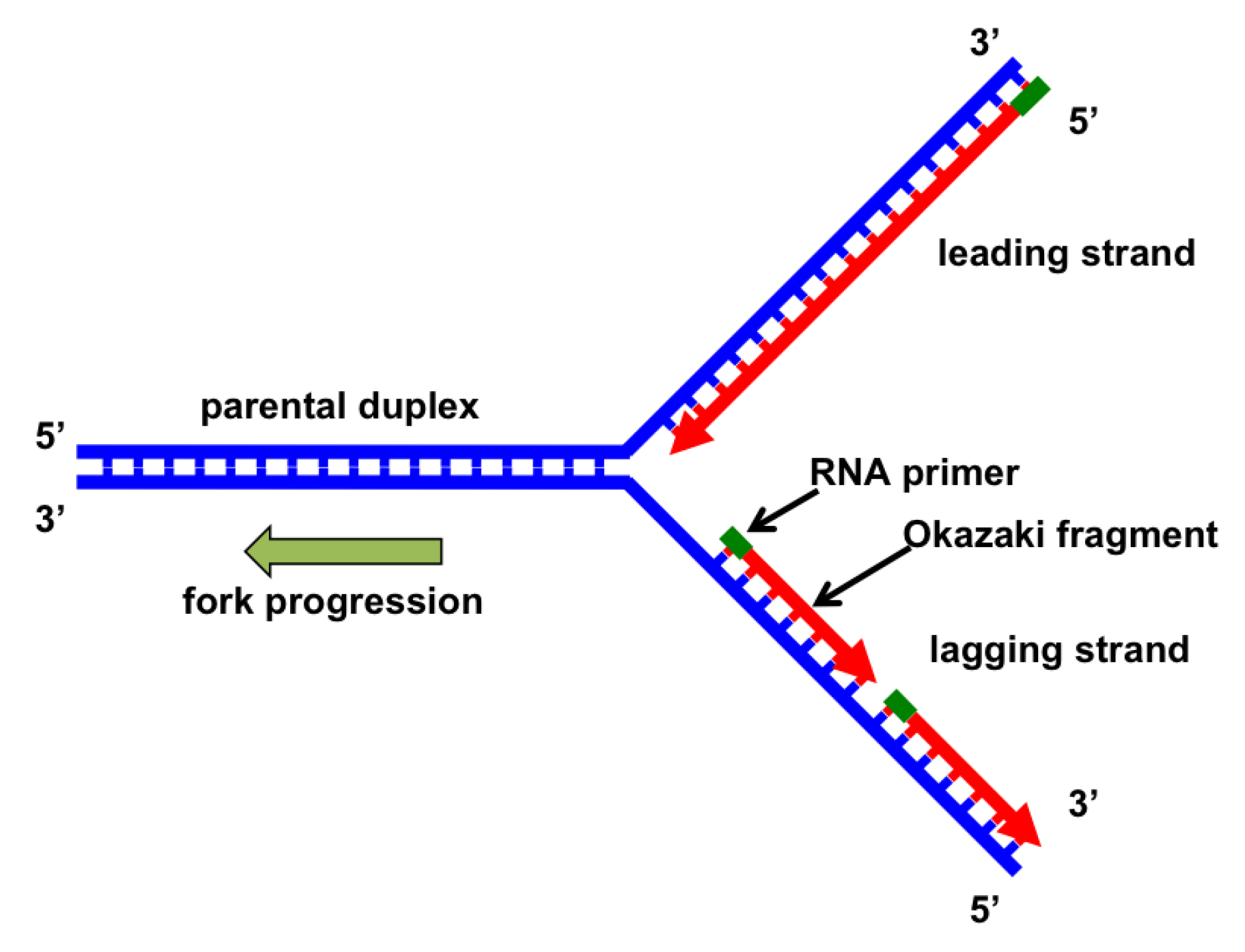
Following initiation, the elongation stage begins. In this phase, the enzyme DNA polymerase plays a critical role, as it synthesizes new DNA strands by adding nucleotides complementary to the template strands. DNA polymerase can only add nucleotides in a 5′ to 3′ direction, requiring the formation of short RNA primers to provide a starting point for synthesis. It also proofreads the new strands to ensure accuracy, correcting any mismatches that may occur during replication.
The elongation continues until the entire DNA molecule has been replicated. Finally, the termination stage marks the conclusion of the process. During this phase, the newly synthesized DNA strands are completed, and the RNA primers are replaced with DNA nucleotides. The result is two identical double-helix molecules, each containing one original strand and one newly synthesized strand, a mechanism known as semi-conservative replication.
The Role of Enzymes in Replication
DNA replication is a complex process that involves several key enzymes, each playing a crucial role in ensuring the accurate duplication of genetic material. Understanding the specific actions and mechanisms of these enzymes enhances comprehension of the replication process as a whole.
One of the first enzymes to act during replication is helicase. This enzyme is responsible for unwinding the double helix structure of DNA, separating the two strands to provide single-stranded templates that will later guide the synthesis of new strands. The unwinding action is crucial, as it prevents the strands from re-annealing and allows other enzymes to access the DNA.
Following helicase, the enzyme primase introduces RNA primers at the replication origins. These primers provide a starting point for DNA synthesis, as DNA polymerases—another class of essential enzymes—require a pre-existing nucleotide chain to extend. Primase synthesizes short RNA sequences that are complementary to the single-stranded DNA template, allowing for the formation of these initial segments.
DNA polymerase then takes center stage in the replication process. This enzyme adds nucleotides complementary to the template strand in a 5’ to 3’ direction, facilitating the elongation of the new DNA strands. There are several types of DNA polymerases, each responsible for different aspects of DNA synthesis and repair, ensuring high fidelity in the replication process.
Finally, DNA ligase plays a critical role in joining the Okazaki fragments on the lagging strand. As DNA replication proceeds discontinuously, ligase seals these gaps, creating a continuous DNA molecule necessary for successful cell division. Each of these enzymes—helicase, primase, DNA polymerase, and ligase—collaborates seamlessly to facilitate rapid and accurate DNA replication, highlighting the intricate nature of genetic processes.
DNA Repair Mechanisms
Cells are constantly exposed to various internal and external factors that can lead to DNA damage. This damage, which can take many forms—such as breaks in the DNA strands, chemical modifications, or incorrect base pairing—poses a serious risk to the genetic integrity of the organism. To counteract this threat, cells have evolved sophisticated DNA repair mechanisms that are crucial for maintaining genomic stability and preventing mutations that could lead to diseases, including cancer.
One primary type of DNA damage is single-strand breaks, which can be efficiently repaired through a process called base excision repair (BER). This mechanism involves the recognition of the damaged base, removal of the impaired section, and subsequent resynthesis using the healthy complementary strand as a template. Conversely, double-strand breaks represent a more severe form of damage. Such breaks can be repaired by either non-homologous end joining (NHEJ) or homologous recombination (HR). NHEJ directly ligates the broken ends together, while HR uses a homologous sequence to accurately mend the break, minimizing the likelihood of mutations.
Another significant repair mechanism is nucleotide excision repair (NER), which is particularly adept at addressing bulky DNA adducts caused by environmental factors, such as UV radiation and certain chemical agents. This pathway ensures that the integrity of the DNA is preserved, preventing potential replication errors and ensuring proper cell function. Additionally, mismatch repair (MMR) serves to correct errors that arise during DNA replication, ensuring fidelity as genetic information is passed on to daughter cells.
The importance of these DNA repair pathways cannot be understated, as they contribute significantly to cellular health and longevity. Failure to effectively repair DNA damage can lead to the accumulation of mutations, ultimately resulting in detrimental consequences for the organism. Therefore, understanding these mechanisms provides crucial insights into cellular function and the potential for therapeutic interventions in various diseases linked to DNA damage.
Implications of DNA Research
The implications of DNA research are profound and wide-ranging, particularly in the fields of medicine, genetics, and forensic science. As our understanding of DNA has advanced, it has paved the way for revolutionary progress in genetic therapies, which aim to treat or prevent diseases by altering an individual’s genetic material. For instance, gene therapy techniques that utilize CRISPR technology have shown promise in correcting genetic mutations responsible for hereditary diseases, offering hope where traditional therapies have failed.
In personalized medicine, DNA research allows for tailored medical treatments based on an individual’s genetic makeup. This approach can increase the efficacy of treatments for various conditions, including cancer, where genetic profiling of tumors can guide oncologists in selecting the most effective therapies, thereby optimizing patient care. Depending on a person’s unique genetic predispositions, clinicians can also identify potential health risks early, facilitating proactive management of diseases.
Furthermore, the implications of DNA research extend into forensic science. The ability to analyze DNA from crime scenes has transformed investigative procedures, enabling law enforcement agencies to identify suspects with unprecedented accuracy. DNA profiling techniques fuel advancements in cold cases and wrongful convictions, underscoring the crucial role of genetic information in the justice system. The establishment of DNA databases enhances the capability to connect individuals to criminal activities, further bolstering the efficacy of crime scene investigations.
In summary, the advancements in DNA research carry significant implications across numerous domains, improving healthcare delivery, enhancing therapeutic strategies, and fortifying the foundations of forensic science. As research continues to evolve, the potential benefits and applications of DNA understanding are bound to expand, offering a clearer glimpse into the future of medicine and justice.
Conclusion: The Future of DNA Studies
The exploration of deoxyribonucleic acid (DNA) has transformed our understanding of life’s building blocks and propelled advancements in various fields, including medicine, forensics, and biotechnology. As we reflect on the key aspects of DNA structure, function, and replication, it becomes clear that the future of DNA studies is marked by exciting possibilities. Emerging technologies promise to enhance our comprehension of genetics and molecular biology.
One notable advancement lies in the field of CRISPR technology, which has revolutionized gene editing by allowing precise alterations to DNA sequences. This technique holds the potential to correct genetic disorders, improve crop resistance, and even tackle issues such as climate change through enhanced biological solutions. The ability to modify DNA with unprecedented accuracy suggests that future research will lead to groundbreaking treatments and innovations that were previously unimaginable.
Another area of interest is the development of next-generation sequencing (NGS) technologies. These have dramatically decreased the time and cost associated with sequencing entire genomes, making it feasible to conduct large-scale genomic studies. The integration of NGS with bioinformatics can provide insights into complex genetic relationships, aiding in the identification of genetic predispositions to diseases and the development of personalized medicine approaches.
Moreover, research on epigenetics continues to uncover how environmental factors and lifestyle choices can influence gene expression without altering the DNA sequence itself. This emerging understanding disrupts traditional notions of inheritance and suggests that our genetic makeup is dynamic, responsive, and possibly modifiable through external interventions.
In summary, the future of DNA studies is promising and is likely to yield transformative results in health, agriculture, and environmental science. As we leverage these advanced technologies, our ability to understand and manipulate the genetic framework of organisms will continue to grow, fostering innovations that could benefit humanity significantly in the years to come.
