

Was
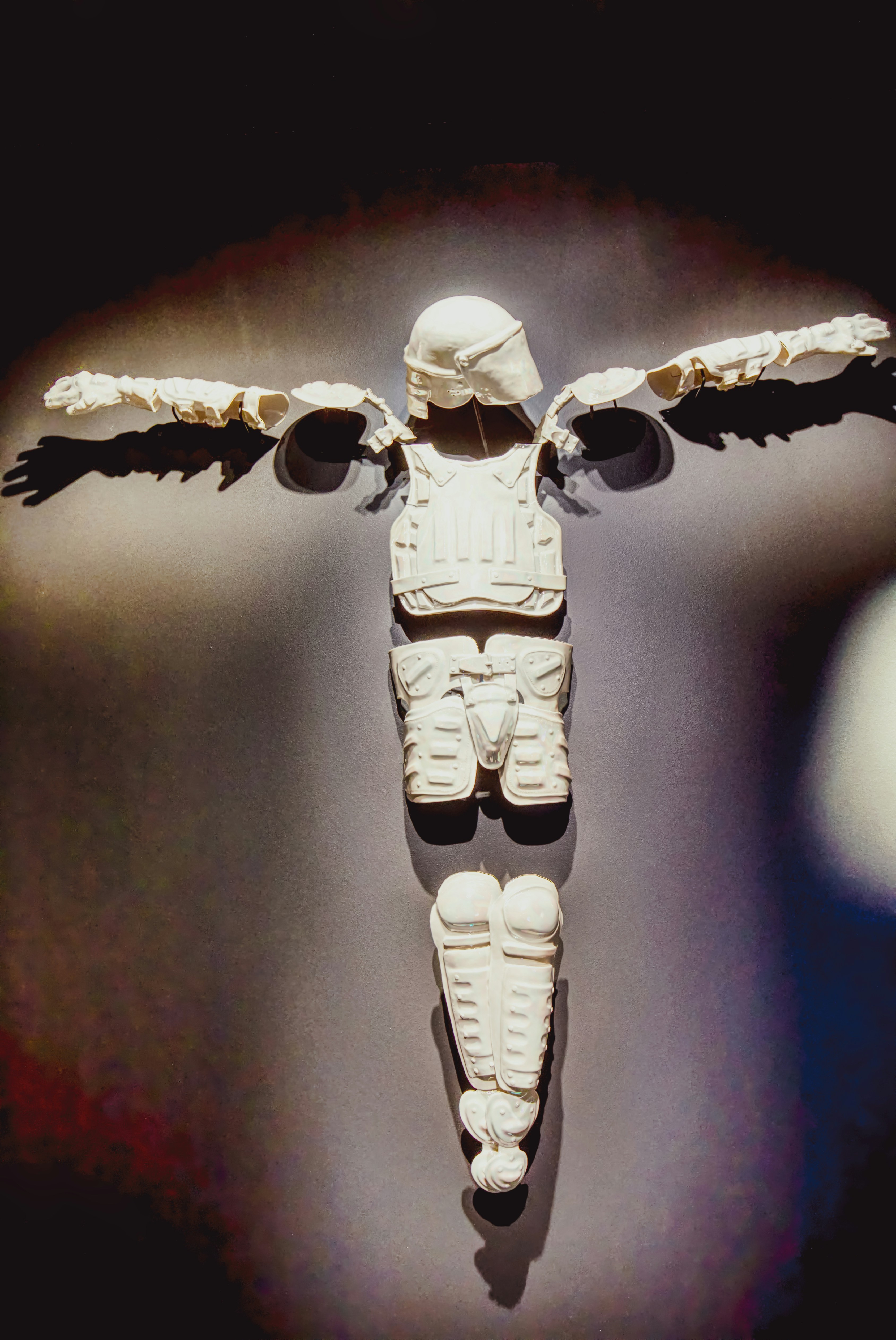
Understanding the Eid War: Context and Background
The Eid War, a significant conflict in modern history, is rooted in a complex interplay of historical, socio-political, and cultural factors. Often, the foundation of such conflicts can be traced back to issues of territorial disputes, ethnic tensions, and national identity. This particular war began due to a series of incidents that escalated into broader hostilities among various factions, fundamentally altering the geopolitical landscape.
- The war’s origins can be linked to the sociopolitical climate of the region prior to the outbreak of violence. Deep-seated grievances, including economic disparities and historical injustices, fueled resentment among communities. Major players involved included various political factions, armed groups, and foreign entities, each with unique agendas and influences.
As the conflict unfolded, it drew in various stakeholders. Regional powers often took sides, exacerbating tensions and extending the violence well beyond the initial points of contention. The international community watched from a distance, with responses ranging from diplomacy to outright intervention, further complicating the situation.
The implications of the Eid War were profound, especially for civilian life. Displacement became commonplace, with thousands fleeing their homes to escape violence. The humanitarian crisis that resulted from the war highlighted the fragility of societal structures, as local communities struggled to cope with the influx of refugees and the breakdown of basic services. Moreover, the war had far-reaching consequences on mental health and well-being, with many suffering from various psychological effects long after the cessation of hostilities.
This exploration of the Eid War emphasizes that such conflicts do not occur in a vacuum; rather, they emerge from a multitude of factors that intertwine over time. Understanding these dynamics is crucial for fostering effective peacebuilding efforts and ensuring the resilience of affected communities.
The Physical Toll of War on the Human Body
War invariably inflicts significant physical damage on the human body, affecting both soldiers and civilians who find themselves trapped in conflict zones. The injuries sustained during combat can range from minor wounds to life-altering traumas. Common injuries include gunshot wounds, shrapnel wounds, and blast injuries, which often result in acute and chronic pain, disfigurement, and loss of function.
One of the most disturbing physical consequences of war is the prevalence of amputations. Many soldiers and civilians are faced with the harsh reality of losing limbs due to explosive devices or direct attacks. According to various studies, the rate of amputations can increase significantly in regions with ongoing conflict. Amputees not only endure physical pain but also confront emotional challenges and societal stigma, which can hinder their reintegration into daily life.
Moreover, the mental health implications of physical injuries cannot be underestimated. Conditions such as post-traumatic stress disorder (PTSD), anxiety, and depression are rampant among those who have suffered physical wounds in combat. The psychological trauma of war often exacerbates the physical challenges that survivors face, creating a cycle of suffering that compounds over time. Veterans and civilians frequently express feelings of isolation and hopelessness due to their injuries, and access to psychological support is often limited in war-affected areas.
In addition to immediate injuries, the long-term health consequences of war-related physical trauma are profound. Survivors frequently experience chronic pain conditions, musculoskeletal disorders, and complications from untreated injuries. These long-lasting effects can significantly impact the quality of life, leading to ongoing medical needs and the potential for disability.
Ultimately, the physical toll of war reveals the intricate connection between bodily injuries and overall health. Understanding these consequences is vital for both immediate military care and long-term rehabilitation efforts for affected individuals.
Psychological Impact of War on Mental Health
The psychological impact of war, particularly in contexts like the Eid War, extends far beyond the immediate physical injuries and losses. Individuals exposed to the harsh realities of armed conflict often experience a range of mental health issues that can persist long after the fighting has ceased. An estimated significant number of veterans and civilians alike develop conditions such as Post-Traumatic Stress Disorder (PTSD), which is characterized by severe anxiety, flashbacks, and uncontrollable thoughts about the traumatic events experienced during wartime.
Additionally, the pervasive nature of these psychological disorders can lead to depression, anxiety, and other stress-related conditions, significantly diminishing the quality of life for those affected. Many individuals may grapple with the weight of their experiences, resulting in feelings of hopelessness and despair. The social stigma surrounding mental health issues in the aftermath of war can exacerbate these conditions, often discouraging victims from seeking necessary help.
Communities affected by armed conflict not only deal with the mental health challenges of individuals but also face collective trauma, which can strain social cohesion and disrupt the community’s resilience. Affected individuals may withdraw from social networks, leading to isolation, which further complicates their recovery process. Therefore, addressing mental health in the wake of war becomes crucial. Effective intervention strategies, encompassing psychotherapy, community support systems, and specialized rehabilitation programs, are essential to aid recovery and reintegration into society.
In light of these challenges, it is imperative that mental health support services are prioritized for war victims. Access to trained mental health professionals, as well as community support groups, plays a pivotal role in healing and recovery. By prioritizing mental well-being, individuals and communities can begin to rebuild their lives and foster resilience against future adversities.
Healing and Recovery: Addressing the Aftermath of War
The aftermath of war, particularly in the context of the Eid War, presents multifaceted challenges that necessitate a robust approach to healing and recovery. Individuals affected by conflict often carry physical injuries and unseen psychological scars. Hence, addressing these issues requires a comprehensive framework that incorporates medical care, psychological support, and community engagement.
One of the foremost strategies in facilitating recovery is the provision of medical treatments tailored to the specific injuries sustained during the conflict. Hospitals and clinics, both local and supported by international organizations, work tirelessly to offer surgeries, wound care, and rehabilitative services. These medical interventions serve as a foundation upon which further recovery can be built.
Rehabilitation programs also play a crucial role in restoring the physical capabilities of war survivors. These programs often include physical therapy, counseling, and occupational therapy, designed to help individuals regain independence and reintegrate into society. By addressing both physical rehabilitation and mental health needs, these initiatives foster a holistic recovery process.
Equally important is the support offered by community systems. Local initiatives often mobilize to provide social support, helping individuals share their experiences and cope with the emotional toll of war. Community centers and support groups serve as safe spaces for dialogue, healing, and peer support. Such environments can significantly contribute to restoring a sense of normalcy and belonging among affected individuals.
Additionally, international organizations, such as the Red Cross and various non-governmental organizations (NGOs), have been instrumental in delivering aid, infrastructure development, and long-term recovery strategies. Their involvement often ensures that resources are available to facilitate a structured and effective recovery for those impacted by the Eid War.
In conclusion, the journey towards healing and recovery after the Eid War is a collaborative effort involving medical interventions, rehabilitation services, and community support. Comprehensive approaches that integrate these elements are crucial to addressing the vast array of challenges faced by survivors. By fostering both individual and communal healing, societies can work towards rebuilding lives and restoring hope in the wake of conflict.
