

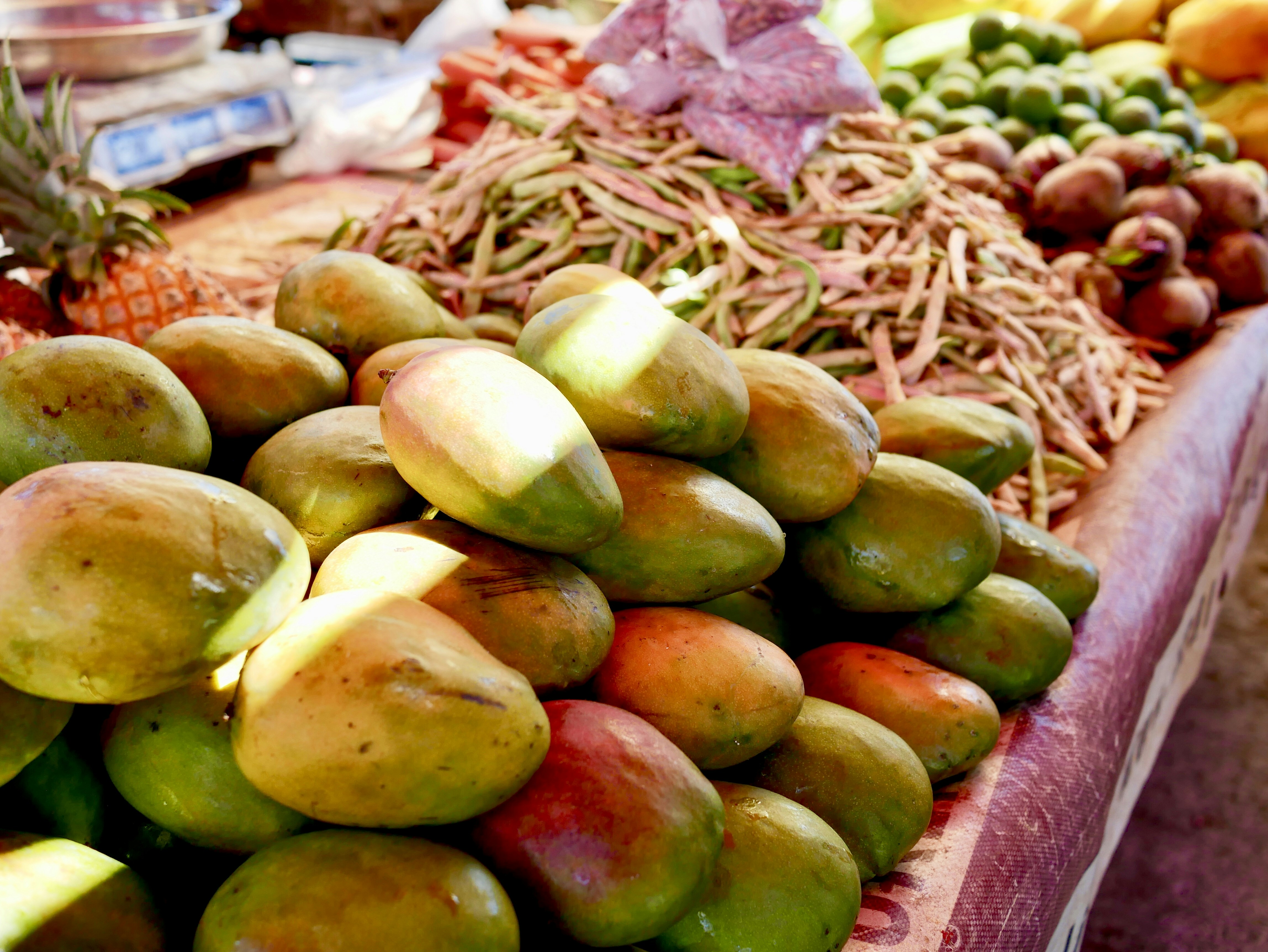
Introduction to Mango Production Technology
Mango (Mangifera indica) is one of the most widely cultivated fruit crops in the world, known for its sweet taste and nutritional benefits. It has significant economic value and plays a crucial role in the livelihoods of farmers, particularly in tropical and subtropical regions. As global demand for mango continues to rise, it has become increasingly important to maximize mango production to meet consumer needs and ensure sustainability in farming practices.
The evolution of agriculture has introduced various innovative technologies aimed at improving crop yield, quality, and sustainability. Consequently, the adoption of advanced techniques in mango production has the potential to transform the industry. Technologies such as precision agriculture, smart irrigation systems, and integrated pest management are not only enhancing productivity but also ensuring that mango farming is more environmentally friendly.
Precision agriculture, for instance, utilizes data-driven approaches to optimize resource use, allowing farmers to monitor soil health, moisture levels, and nutrient availability. This leads to improved decision-making and reduced input costs. Furthermore, smart irrigation technologies help in conserving water, which is critical given the increasing challenges posed by climate change and water scarcity.
In addition to these technological advancements, the application of biotechnology in mango production is also gaining attention. Techniques like tissue culture and genetic modification can provide resistance to diseases and pests, thereby improving the overall resilience of mango crops. These innovations are vital for enhancing the sustainability of mango farming, ultimately ensuring that quality fruit is produced while minimizing environmental impact.
Understanding Mango Cultivation Practices
Mango cultivation is a blend of traditional methods and innovative techniques aimed at maximizing yield and fruit quality. The initial stage in mango farming involves thorough soil preparation, which is crucial for ensuring healthy root development. A well-drained, fertile soil with a pH level ranging from 5.5 to 7.5 is optimal for mango trees. Traditional practices often include the use of natural fertilizers, such as compost or well-rotted manure, enhancing soil fertility without introducing harmful chemicals.
Modern cultivation techniques emphasize the importance of soil testing to determine the exact nutritional needs of the mango plants. This information allows farmers to tailor their fertilization schedules, using both organic and inorganic fertilizers to enhance productivity. Additionally, soil preparation may include mulching, which helps retain moisture and suppress weed growth, further improving the growing conditions for mango trees.
The planting technique plays a vital role in the establishment of mango orchards. Farmers typically plant young saplings during the onset of the rainy season to ensure adequate water supply. In traditional practices, spacing of the trees is generally wide, allowing for better air circulation and sunlight penetration. However, modern methods have introduced intensive planting techniques, which can increase yield by optimizing land use. Farmers now plant mangoes closer together, supplemented by pruning techniques that maintain tree health.
Care during the crucial growth stages of mango trees is equally important for maximizing yield. This includes regular irrigation, pest and disease management, and pruning. Integrated Pest Management (IPM) is a modern approach that combines cultural, biological, and chemical methods to control pests while minimizing environmental impact. By adopting these innovative cultivation practices, mango growers can significantly enhance both the quantity and quality of mango production.
The Role of Irrigation Systems in Mango Farming
Irrigation plays a crucial role in the cultivation of mangoes, significantly impacting the overall yield and quality of the fruit. As a water-intensive crop, mango trees require a steady and reliable water supply to thrive, particularly during critical growth periods such as flowering and fruit development. Effective irrigation systems can help optimize water use efficiency, ensuring that mango farmers can achieve higher yields and better fruit quality, even in regions with variable rainfall.
Among the various irrigation methods available, drip and sprinkler irrigation are two prominent systems that have demonstrated efficiency and effectiveness in mango farming. Drip irrigation delivers water directly to the root zone of the plants through a network of tubes and emitters, allowing for precise control over water application. This method not only minimizes water wastage but also reduces the risk of fungal diseases, as the foliage remains dry. Furthermore, drip systems can be easily automated, enabling farmers to manage irrigation schedules more effectively, based on real-time weather conditions and soil moisture levels.
On the other hand, sprinkler irrigation involves the application of water through a system of pipes and pumps that distribute water in the form of a spray, simulating natural rainfall. This method is particularly advantageous for larger mango orchards, as it can cover extensive areas more quickly than drip irrigation. While sprinkler systems can be more water-consuming compared to drip systems, advancements in technology have led to the development of high-efficiency sprinklers that optimize water usage and reduce evaporation losses. By combining techniques and selecting the appropriate irrigation system, mango farmers can significantly enhance water management and overall productivity.
Advancements in Fertilization Techniques
In the quest to maximize mango production, innovative fertilization techniques have become essential for enhancing soil health and ensuring that mango trees receive the nutrients they require for optimal growth. One prominent advancement is the application of organic fertilizers, which integrate natural materials into soil management practices. Organic fertilizers not only supply essential nutrients but also improve soil structure and enhance microbial activity, leading to a more vibrant ecosystem that supports tree health.
Additionally, slow-release fertilizers are gaining traction among mango cultivators. These fertilizers are designed to gradually release nutrients over time, in sync with the growth stages of the mango trees. This technique minimizes nutrient leaching and helps maintain an optimal nutrient balance in the soil. As a result, mango trees are less prone to nutrient deficiencies, which can adversely affect fruit quality and yield.
Moreover, the advent of precision agriculture technologies is revolutionizing fertilization practices in mango cultivation. Utilizing tools such as soil sensors, aerial imagery, and data analysis software, growers can assess soil nutrient levels and distribution accurately. This data empowers farmers to apply fertilizers in a targeted manner, ensuring that each mango tree receives the precise amount of nutrients needed. By optimizing fertilizer application, growers can significantly reduce waste and enhance the overall efficiency of their fertilization processes.
Through these advancements, the adoption of organic and slow-release fertilizers, alongside precision agriculture techniques, stands to offer substantial benefits to mango production. By improving soil health and providing essential nutrients effectively, these innovative methods contribute to higher yields, better fruit quality, and sustainable farming practices.
Pest and Disease Management in Mango Production
Mango production can be significantly impacted by pests and diseases, making integrated pest management (IPM) an essential practice for achieving optimal yields. IPM strategies combine various control methods to effectively manage these threats by reducing reliance on chemical pesticides while safeguarding tree health. One of the key components of IPM is utilizing biological controls, which involve the use of natural predators or parasitoids to target specific pests that attack mango trees. This method not only minimizes the adverse effects of chemical treatments but also promotes an ecological balance in the farming environment.
In addition to biological control agents, the use of resistant mango varieties has proved beneficial in combating pests and diseases. Developing and selecting cultivars that exhibit strong resistance to common threats, such as mango weevil or powdery mildew, can lead to healthier trees and significantly lower crop loss. Farmers are encouraged to invest in these resilient varieties as part of their long-term pest management strategy.
The application of the latest chemical treatments remains a vital aspect of mango protection, especially in severe infestations that cannot be controlled by biological or cultural methods alone. However, it is crucial to apply these treatments judiciously and as a last resort. Employing a targeted application strategy, based on pest monitoring and damage thresholds, can enhance the efficacy of chemical controls while minimizing potential environmental harm. Moreover, maintaining thorough records of pest populations and treatment efficacy helps farmers make informed decisions in the future.
By implementing a comprehensive pest and disease management approach, mango producers can not only protect their crops but also optimize the quality and yield of their harvest. Successful IPM programs ensure that mango trees remain healthy and productive, which is essential for maximizing mango production and profitability.
Utilizing Technology in Harvesting and Post-harvest Practices
The harvesting phase of mango production is critical, as it significantly influences the fruit’s quality and marketability. Innovative technologies have emerged to enhance harvesting techniques, ensuring that the fruits are picked at the optimal ripeness to maximize their flavor and shelf life. Mechanical harvesters, for instance, have become increasingly popular due to their efficiency in gathering mangoes quickly and reducing labor costs. These machines are designed to minimize damage to the delicate fruits during the harvest process, thereby preserving their quality.
In addition to mechanical harvesting, appropriate harvesting techniques also play a vital role. Training farm workers in the best practices for hand-harvesting can ensure that the fruits are not bruised or damaged when they are removed from the tree. For instance, using soft, padded picking bags can reduce impact, and employing careful detachment methods can protect the stem and the fruit’s skin.
Post-harvest handling is another crucial aspect that can significantly impact mango quality. After harvesting, the mangoes require immediate cooling to slow down the ripening process. Technologies such as hydro-cooling and forced-air cooling systems help maintain optimum temperatures to prolong shelf life. Furthermore, advanced storage solutions, including modified atmosphere packaging, can enhance the storage environment, reducing spoilage and maintaining quality during transit.
The role of proper packaging should not be overlooked. Effective packaging technologies can prevent bruising during transport and storage, as well as ensure that the fruits reach consumers in excellent condition. Overall, the integration of modern practices in both harvesting and post-harvest stages not only minimizes losses but also significantly improves the market quality of mangoes, ultimately contributing to higher yields and better economic returns for farmers.
The Impact of Climate Smart Agriculture on Mango Production
Climate smart agriculture (CSA) is an innovative approach aimed at addressing the challenges posed by climate change while enhancing agricultural productivity. In the context of mango production, CSA practices can significantly contribute to sustainability and resilience. These practices include the implementation of agroforestry systems, which combine the cultivation of mango trees with other crops and livestock, creating a diversified and sustainable farming ecosystem. By integrating mango cultivation with other agricultural activities, farmers can reduce risks associated with climate variability while optimizing land use.
One key aspect of climate smart agriculture is the use of climate-resilient mango varieties. These varieties are specifically bred to withstand adverse weather conditions such as drought, extreme temperatures, and pests. By selecting these resilient varieties, farmers can ensure a more stable mango yield, even in the face of unpredictable climatic events. This adaptability not only safeguards the farmers’ income but also supports food security in regions where mangoes are a staple crop.
Additionally, CSA encourages the adoption of water-efficient irrigation techniques and soil management practices. For instance, drip irrigation systems can help conserve water and ensure that mango trees receive the necessary moisture without excessive waste. Practices such as mulching and cover cropping also enhance soil health, leading to improved mango growth and fruit quality. By focusing on these sustainable methods, farmers can mitigate the impact of climate change on mango production, ultimately leading to higher yields and enhanced profitability.
The Importance of Research and Development in Mango Yield Improvement
Research and development (R&D) play a crucial role in the quest to enhance mango yield. The multifaceted nature of mango cultivation presents a range of challenges, from disease management to climate adaptation, all of which necessitate a continuous commitment to scientific inquiry and technological advancement. Ongoing R&D initiatives focus on optimizing breeding techniques, improving pest and disease resistance, and developing sustainable agricultural practices that respect the environment.
One notable example of successful research in mango yield enhancement comes from the work being done in India, where agricultural scientists have pioneered genetic improvement programs. These programs utilize marker-assisted selection (MAS) to introduce desirable traits such as early flowering and higher fruit quality into mango varieties. As a result, farmers have access to hybrids that not only produce more fruit but also display exceptional resilience to common pests and diseases.
Moreover, innovative irrigation techniques, bolstered by R&D efforts, have been developed to maximize water use efficiency in mango orchards. For instance, drip irrigation systems that are carefully tailored to the specific needs of mango trees significantly reduce water wastage while promoting healthier growth. This technology has proven particularly essential in regions experiencing water scarcity, ensuring that mango production can be sustained even in challenging climatic conditions.
The importance of R&D extends beyond just improving yield; it also encompasses the socio-economic aspects of mango production. By disseminating knowledge and providing training to farmers on best practices and the latest technological advancements, R&D initiatives facilitate a more knowledgeable farming community. This empowerment leads to increased productivity and profitability, further highlighting the vital role of sustained research efforts in the advancement of mango cultivation.
The Future of Mango Production Technology
As we look ahead to the future of mango production, it is evident that innovative technologies will play a pivotal role in enhancing yields and sustaining the industry. Throughout this blog post, we have discussed various advancements such as precision agriculture, automated systems, and biotechnology that promise to revolutionize how mango cultivation is approached. These innovative technologies enable farmers to optimize resource use, minimize waste, and improve overall crop health, which are essential factors in meeting the increasing global demand for mangoes.
Furthermore, the adoption of data-driven practices is expected to rise significantly. By leveraging big data analytics, farmers can gain valuable insights into soil health, pest pressures, and climate impacts, leading to informed decision-making that drives both productivity and sustainability. This transition towards smart farming not only addresses inherent agricultural challenges but also enhances resilience against evolving environmental conditions.
It is also noteworthy to highlight the importance of collaboration among stakeholders within the mango supply chain. From researchers and technology developers to farmers and market actors, a unified effort towards knowledge sharing and resource pooling can facilitate the widespread implementation of these innovations. This collaborative approach can enhance the industry’s ability to adapt to changing consumer preferences as well, ensuring that mango production remains viable and profitable.
Looking forward, the future of mango production technology appears bright. Continued investment in research and development will be crucial in addressing ongoing challenges such as pest management, water scarcity, and climate change. Ultimately, the successful integration of emerging technologies will determine the sustainability of mango production, paving the way for higher yields that meet global consumption needs without compromising environmental integrity.
