

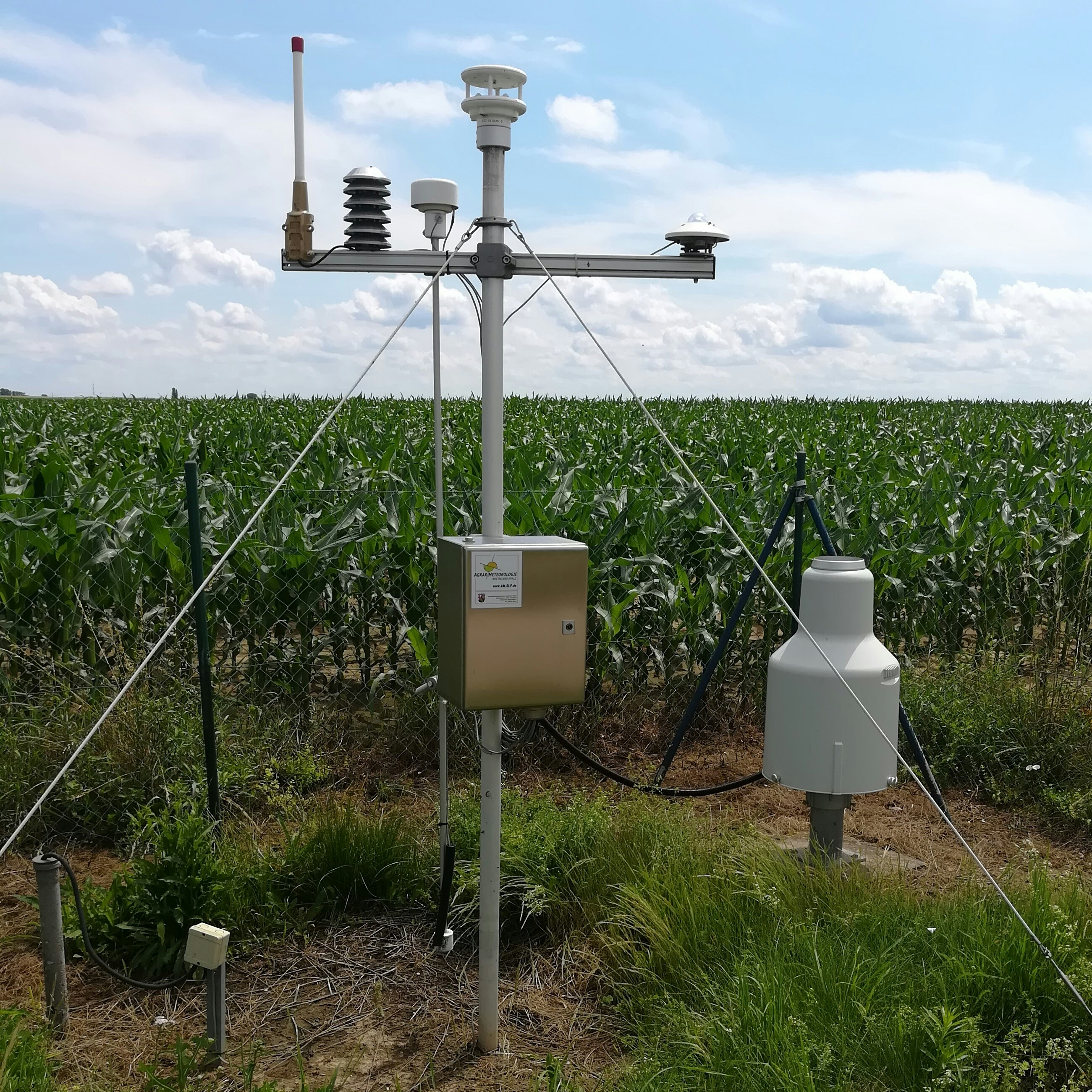
Understanding Climate Change Measurements
Measuring climate change is essential to understand its impact on our planet. The shift in climate can be identified through various indicators that offer insights into how environmental conditions are changing over time.
By monitoring these changes, scientists can develop better strategies to mitigate the effects of climate change.
Key Indicators for Measuring Climate Change
Several key indicators are used to assess climate change. Among these, global temperature rise is perhaps the most notable. Average global temperatures have increased significantly in the last century, largely due to the rise in greenhouse gas emissions. Besides temperature, sea level rise is another critical measure. Melting ice sheets and glaciers contribute to rising ocean levels, posing threats to coastal habitats.
Table: How to Measure Climate Change
| Climate Indicator | What is Measured? | How It Is Measured | Tools/Techniques | What It Tells Us |
|---|---|---|---|---|
| Global Temperature | Air & ocean temperature trends | Compare with baseline average | Weather stations, satellites, ocean buoys | Rising temperatures show global warming |
| Greenhouse Gases (CO₂, CH₄, N₂O) | Amount of gases in the atmosphere | Air sampling & ice core analysis | Air sensors, Mauna Loa Observatory, ice cores | Higher CO₂ = stronger greenhouse effect |
| Sea Level Rise | Ocean height over time | Tide gauge + satellite measurements | Tide gauges, satellite altimeters | Melting ice + warming oceans cause rising seas |
| Glacier & Ice Sheet Melt | Ice volume, thickness, area | Satellite imaging & mass balance | GRACE satellites, radar, field measurements | Shrinking ice proves warming climate |
| Ocean Heat Content | Amount of heat stored in oceans | Temperature changes at depths | ARGO floats, temperature probes | Oceans absorb most excess heat on Earth |
| Ocean Acidification | pH level of ocean water | Chemical sensors measure acidity | pH sensors, water sampling | More CO₂ makes oceans more acidic |
| Extreme Weather Events | Frequency & intensity | Compare historical vs modern data | Meteorological records, models | More heat causes stronger storms & heatwaves |
| Ecosystem Changes | Plant & animal behavior | Field surveys over time | GPS tracking, biodiversity monitoring | Species migration and coral bleaching indicate warming |
| Climate Models | Future climate predictions | Physics-based simulations | CMIP6, IPCC models | Predict future temperature, sea level & rainfall patterns |
Methods Used in Climate Change Measurements
Diverse scientific methods are employed to measure the various indicators of climate change. Satellites play a vital role, providing data on global temperatures, atmospheric conditions, and polar ice extent. Ground-based observations also contribute significantly to this data, allowing for a detailed analysis of climate trends. Furthermore, climate models help predict future implications based on current changes, enabling scientists to devise effective responses to climate challenges.
In conclusion, measuring climate change encompasses a range of indicators and methods that collectively enhance our understanding of this pressing global issue. Through continued research and monitoring, we can work towards a sustainable future.
Table: Formulas Used to Measure Climate Change
| Climate Aspect | Formula | Meaning / What It Measures |
|---|---|---|
| Temperature Change (Anomaly) | ΔT=Tcurrent−Tbaseline |
Measures global warming above historical average Used to measure global warming. |
| CO₂ Radiative Forcing | ΔF=5.35ln(C0C) |
Effect of CO₂ increase on Earth’s warming Where:
|
| Sea Level Rise Rate | Rate=(Change in sea level )/years |
Determines how fast sea levels are rising Sea level change (mm) |
| Ice Mass Balance | Mass Balance=Accumulation−Ablation |
Shows if glaciers/ice sheets are gaining or losing ice Positive = ice gain |
| Ocean Heat Content | OHC=ρcp(T2−T1)Δz |
Measures heat stored in the ocean (major climate indicator) Where:
|
| Ocean pH (Acidification) | pH=−log[H+] |
Measures ocean acidity increase from CO₂ absorption Lower pH = more acidic (caused by CO₂ absorption). |
| Extreme Weather Frequency Change | ΔE=Ecurrent−Epast | Tracks how storms, heatwaves, floods increase over time |
| Ecosystem Change Index |
Measures changes in species population/distribution Where = species population or distribution. |
|
| Climate Sensitivity | ΔT=λΔF |
Predicts temperature rise for a given CO₂ forcing
|
