

Introduction to Synteny in Plant Genomics
Understanding the genetic relationships between different species is crucial in the field of plant genomics. Synteny, the conservation of blocks of order within two sets of chromosomes, provides insights into these relationships. One remarkable example of this is the dual synteny between watermelon and Arabidopsis, two species that, while distinct, share significant genomic similarities.
Download dual synteny files from the link below
Watermelon-Arabidosis dual synteny files
Watermelon and Arabidopsis: A Genetic Perspective
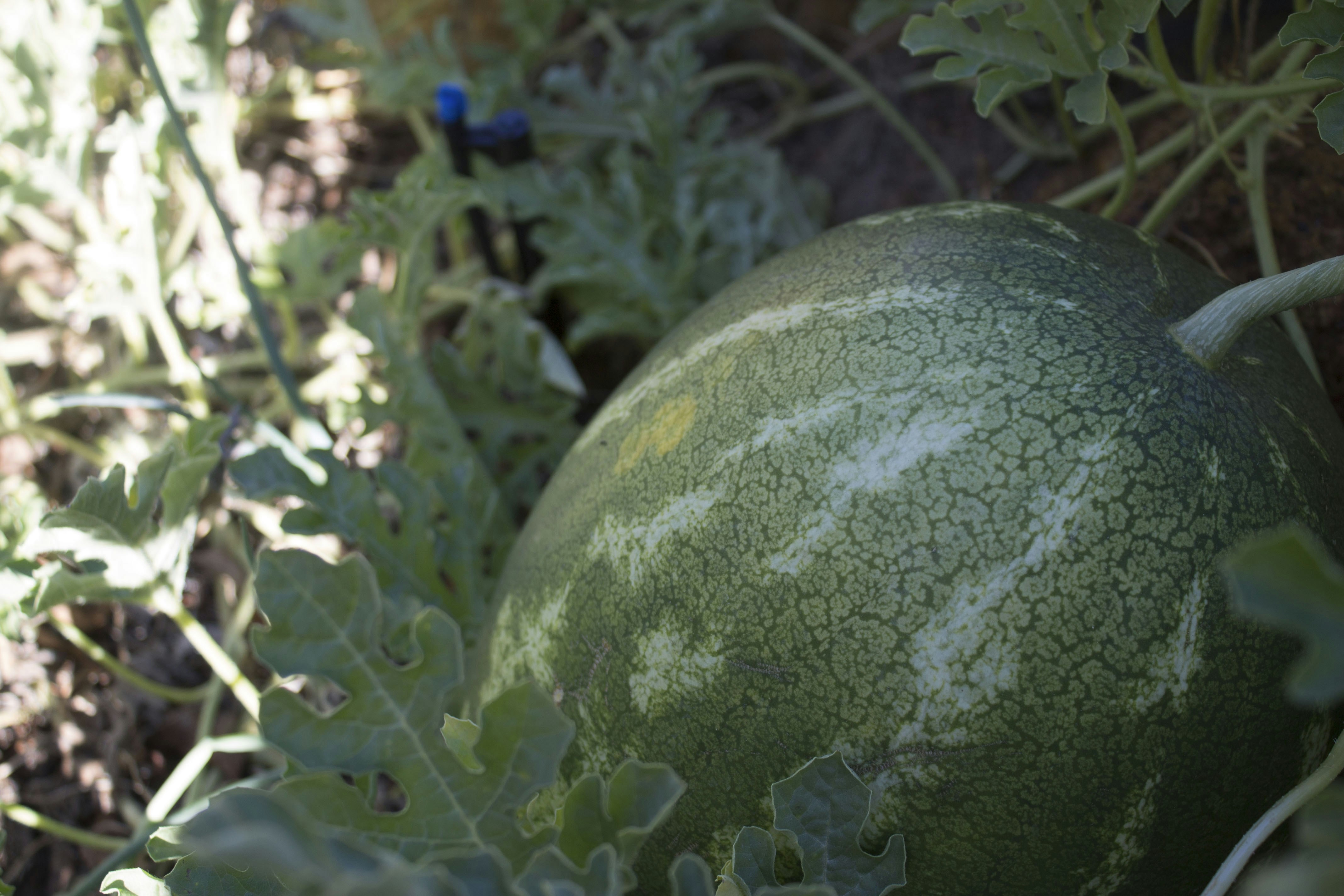
Watermelon (Citrullus lanatus) belongs to the Cucurbitaceae family, whereas Arabidopsis thaliana is a member of the Brassicaceae family. Despite their differences, studies have shown that comparing the genomic sequences of these two species can reveal conserved genes and pathways. The watermelon Arabidopsis dual synteny genome files allow researchers to map out these genetic correlations, enabling a better understanding of traits like fruit development and disease resistance.
Utilizing Genome Files in Research
The availability of dual synteny genome files has transformed how researchers approach comparative genomics. By accessing these resources, scientists can easily identify homologous genes and infer evolutionary relationships. This is particularly beneficial for crop improvement efforts, where harnessing knowledge from model organisms like Arabidopsis can lead to advancements in watermelon cultivation.
In conclusion, exploring the watermelon Arabidopsis dual synteny genome files opens new avenues for understanding genetic links between diverse plant species, fostering innovation in agricultural practices.
