

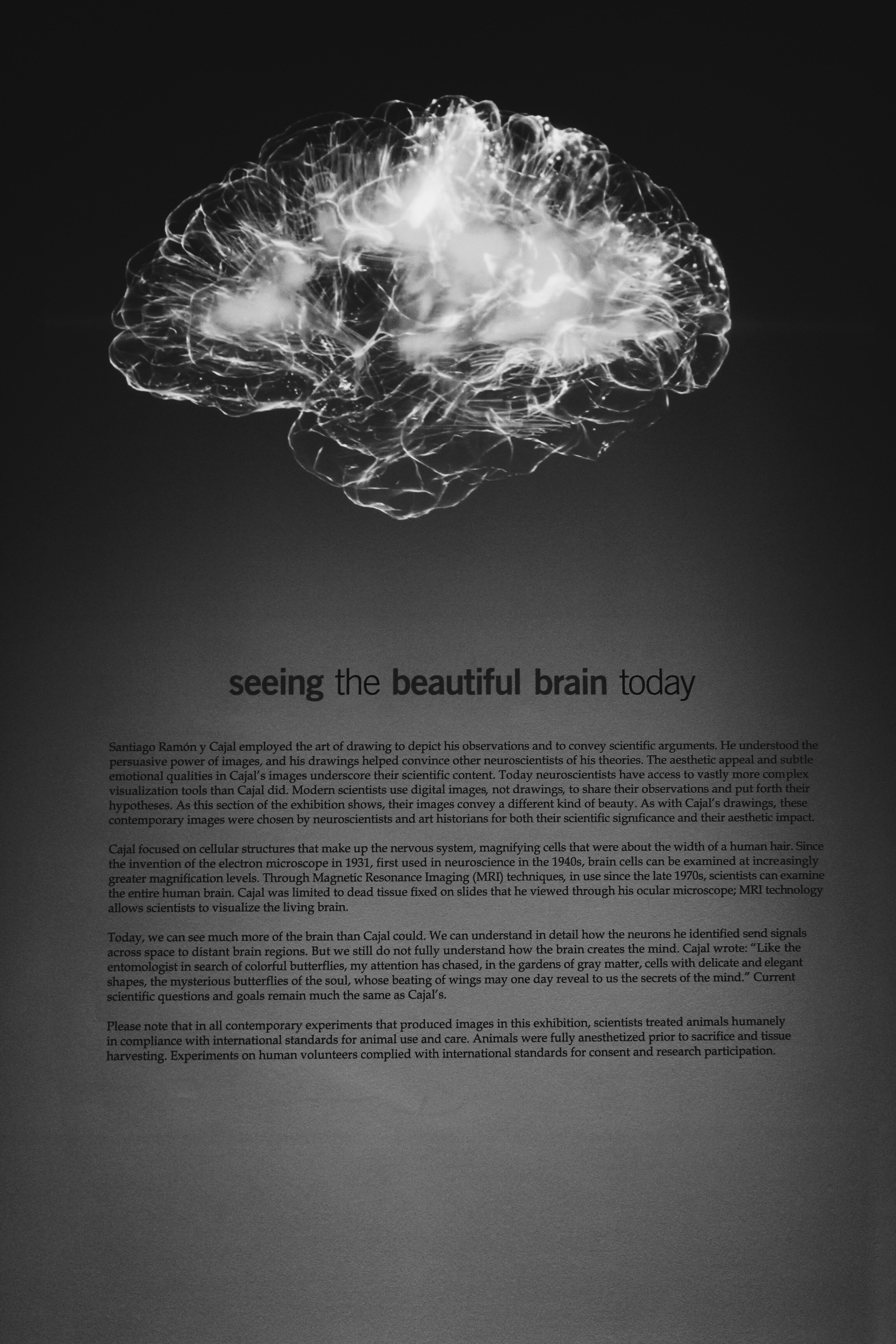
Introduction to the Human Brain
The human brain, a remarkable organ encased within the skull, serves as the central component of the nervous system. Housing approximately 86 billion neurons, it stands as one of the most complex structures known to humanity, facilitating an intricate network of communication that governs physiological functions, emotions, cognition, and behavior.
Among its many responsibilities, the human brain plays a vital role in controlling essential bodily functions, including heart rate, breathing, and digestion. This regulation is critical as it ensures homeostasis, allowing the body to maintain equilibrium despite external changes. Additionally, the brain processes sensory information, interpreting stimuli from the environment—such as sound, sight, taste, touch, and smell—enabling individuals to react and engage with the world around them.
Moreover, the influence of the human brain extends beyond mere survival functions; it is integral to cognitive processes such as thinking, memory, learning, and decision-making. The brain’s cognitive abilities are not mere products of its size but rather stem from the intricate interconnections and interactions between its diverse regions, such as the cerebral cortex, cerebellum, and limbic system.
To appreciate the brain’s intricate design, consider that it comprises about 2% of an adult’s body weight while consuming roughly 20% of the body’s energy. This disproportionate energy allocation underscores its importance and metabolic demands. Additionally, the construction of the brain includes various specialized cells, including glial cells, which provide structural and functional support. Each of these components contributes significantly to the brain’s ability to perform multifaceted tasks efficiently.
Anatomy of the Human Brain
The human brain, a remarkable organ, is divided into several major structures, each playing a crucial role in our daily functioning. The largest part, the cerebrum, is responsible for higher cognitive functions such as reasoning, problem-solving, and planning. It is further divided into two hemispheres: the left hemisphere, which is often associated with language and analytical tasks, and the right hemisphere, linked to creativity and spatial abilities. The outer layer of the cerebrum, known as the cerebral cortex, houses sensory data processing and motor functions, illustrated through various regions dedicated to specific tasks.
Another significant component is the cerebellum, located at the base of the brain. The cerebellum coordinates voluntary movements, ensuring fluidity and balance during activities. It integrates sensory information from the spinal cord and other parts of the brain to fine-tune motor control, which is essential for actions such as walking, writing, and playing sports. Understanding the cerebellum’s functions provides insight into how the brain maintains coordination and posture.
Lastly, the brainstem connects the brain with the spinal cord and is vital for regulating essential life functions such as heart rate, breathing, and sleep cycles. It consists of three main parts: the midbrain, pons, and medulla oblongata, each contributing to various involuntary functions necessary for survival. The brainstem also controls reflex actions, making it integral to our response mechanisms.
The intricate interactions among these brain structures facilitate a myriad of functions, establishing the foundation of human behavior, emotion, and cognition. Diagrams can aid in visualizing these anatomical features, promoting a clearer understanding of how the brain operates as a cohesive unit.
The Hemispheres of the Brain
The human brain is divided into two primary hemispheres, known as the left and right hemispheres. Each hemisphere plays a distinct and crucial role in our overall cognitive abilities and functionality. The division of labor between these two hemispheres is referred to as lateralization of brain function. Understanding this concept is essential, as it sheds light on how various cognitive and motor functions are associated with each hemisphere.
The left hemisphere is primarily responsible for functions related to language, analytical thinking, and logic. This hemisphere typically controls verbal communication and the interpretation of textual information. Additionally, it plays a vital role in tasks that require precise mathematical skills and reasoning. The left hemisphere’s dominance in these areas allows individuals to engage in structured problem-solving and decision-making, making it a cornerstone of our cognitive processes.
In contrast, the right hemisphere is often associated with creative and holistic thinking. It excels in non-verbal tasks, such as visual imagery, music, and artistic activities. This hemisphere integrates sensory information and helps in recognizing patterns and emotional expressions. It is also integral to spatial awareness, allowing individuals to navigate environments and understand their surroundings intuitively.
The collaboration between the left and right hemispheres is instrumental for a wide range of human functions. For instance, effective communication requires both logical language skills from the left side and the ability to comprehend emotional undertones from the right side. Although specific roles are often attributed to each hemisphere, it is essential to recognize that both sides work together harmoniously to facilitate complex behaviors and interactions.
The Neuron: The Building Block of the Brain
The neuron is the fundamental unit of the brain, crucial for processing and transmitting information throughout the nervous system. Each neuron is composed of three primary parts: the cell body, dendrites, and axon. The cell body contains the nucleus, which houses the cell’s genetic material and is responsible for maintaining the neuron’s health.
Dendrites are branching extensions that receive signals from other neurons. They play a pivotal role in communication, as they collect neurotransmitters released by neighboring cells at synapses—tiny gaps that separate one neuron from another. The surface of the dendrites is adorned with receptors that are sensitive to these neurotransmitters, allowing for the transmission of electrical impulses that define the activity of the neuron.
Once the neuron receives sufficient stimulation through its dendrites, it generates an action potential, an electrical signal that travels along its axon. The axon functions as a long cable that transmits impulses away from the cell body. It is often insulated by a fatty layer known as the myelin sheath, which enhances the speed of signal conduction. At the end of the axon, the signal reaches the axon terminals, where neurotransmitters are released into the synapse, communicating with adjacent neurons.
This intricate process of neuronal communication enables the complex functions of the brain, including thought, emotion, and action. Neurons do not work in isolation; instead, they form networks that influence various cognitive processes. Understanding the structure and function of neurons is essential for grasping how the brain operates, leading to insights into both normal physiology and potential neurological disorders.
Brain Functions: An Overview
The human brain is an incredibly complex organ, integral to numerous essential functions that sustain life and facilitate interaction with the environment. Among its many roles, the brain governs motor control, sensory perception, memory, speech, and emotional regulation, each of which contributes to our overall experience.
Starting with motor control, the brain is responsible for coordinating voluntary movements. The motor cortex, located in the frontal lobe, initiates these movements, sending signals through neurons to muscles throughout the body. This function allows for a wide range of activities from simple actions like walking to intricate tasks such as playing a musical instrument.
Sensory perception is another vital function of the brain. It interprets signals received from the environment, allowing individuals to perceive sound, sight, taste, touch, and smell. Each sensory system transmits information to specific regions of the brain, where it is analyzed and integrated, ultimately leading to a coherent understanding of one’s surroundings and enabling appropriate responses.
Memory is a fundamental cognitive function that allows the storage and retrieval of information. The brain organizes memories through a complex interaction between various regions, including the hippocampus, responsible for the formation of new memories, and the cerebral cortex, which stores long-term memories. This function ensures that past experiences inform future decisions and actions.
Furthermore, the brain plays a crucial role in speech and language. The areas traditionally recognized for their involvement in these functions, such as Broca’s and Wernicke’s areas, work collaboratively to facilitate communication, allowing humans to express thoughts, emotions, and ideas effectively.
Lastly, emotional regulation occurs through the interplay of various brain regions, including the amygdala and prefrontal cortex. This intricate network helps modulate emotional responses, enabling individuals to manage feelings like joy, sadness, anger, and fear. Overall, the brain’s multifaceted functions are essential for navigating and engaging with the world.
The Role of Neurotransmitters
Neurotransmitters are chemical messengers that play a crucial role in transmitting signals across synapses in the brain and throughout the nervous system. They are fundamental in regulating various neurological functions including mood, behavior, and cognitive capabilities. The intricate interplay of these neurotransmitters is essential for maintaining the homeostasis of mental processes.
Dopamine, for example, is often referred to as the “feel-good” neurotransmitter. It is involved in reward pathways and is significant for motivation and pleasure. An imbalance in dopamine levels can contribute to disorders such as schizophrenia and addiction. Conversely, serotonin is known for its influence over mood stabilization and emotional regulation. Low levels of serotonin have been linked to depression and anxiety disorders, emphasizing the importance of this neurotransmitter in mental health.
Furthermore, neurotransmitters like norepinephrine and acetylcholine also serve vital functions. Norepinephrine is associated with the body’s stress responses and plays a role in maintaining alertness and focus. Acetylcholine is essential for learning and memory, particularly in the context of cognitive functioning. The relationship between these neurotransmitters and various mental states can directly impact an individual’s overall well-being.
Imbalances in neurotransmitter levels can lead to significant mental health challenges. For instance, an excess of glutamate has been associated with neurodegenerative diseases, highlighting the delicate balance required for optimal cognitive functioning. Understanding how neurotransmitters interact within the brain is paramount for developing effective treatment strategies for mental health disorders. Developing therapies aimed at rebalancing neurotransmitter levels may help alleviate symptoms associated with various psychological conditions.
Brain Development: From Infancy to Adulthood
The development of the human brain is a complex and dynamic process that unfolds over several stages, beginning at infancy and continuing through adulthood. In the early stages of life, the brain undergoes rapid growth, characterized by the formation of neural connections at an astonishing rate. During infancy, a child’s environment plays a crucial role, significantly influencing cognitive development and overall brain maturity. This period is marked by heightened brain plasticity, allowing for adaptations and learning from experiences.
As children progress through childhood, critical periods emerge during which specific skills and abilities are optimally developed. For instance, language acquisition occurs most efficiently during the preschool years, as the brain is particularly receptive to phonetic sounds and linguistic structures. Similarly, the development of spatial awareness and motor skills peaks during early childhood. These critical periods underscore the importance of early life experiences, which can have lasting effects on the child’s trajectory of learning and brain development.
Adolescence marks another significant phase in brain development, characterized by a refinement of neural pathways and the maturation of the prefrontal cortex. This region is responsible for higher-order functions such as decision-making, impulse control, and social interactions. The changes occurring during this stage are crucial as individuals navigate complex social environments and make pivotal choices that can influence their future. This period also highlights the balance between the development of executive functioning capabilities and the emotional fluctuations typical of adolescence.
In adulthood, the brain continues to mature and adapt, although at a slower pace compared to earlier stages. Lifelong learning and experiences contribute to cognitive integration and resilience, showcasing the brain’s remarkable capacity for plasticity even beyond the developmental years. Understanding these stages offers invaluable insights into the importance of nurturing environments and the potential for cognitive growth throughout the lifespan.
Protecting the Brain: The Blood-Brain Barrier
The brain is an exceptional organ, and its protection is paramount for maintaining cognitive function and overall health. One of the primary mechanisms of defense is the blood-brain barrier (BBB), a selective permeability barrier formed by endothelial cells that line the brain’s blood vessels. This intricate structure acts as a shield, preventing harmful substances such as toxins and pathogens from crossing into the brain while simultaneously allowing essential nutrients like glucose and amino acids to pass through. The maintenance of this barrier is critical for the brain’s environment, as it regulates the entry of both beneficial and detrimental materials.
The blood-brain barrier achieves its protective function through a combination of structural and functional components. Tight junctions between endothelial cells prevent the free passage of substances and create a controlled environment that is crucial for neuronal activity. Under normal circumstances, this barrier supports brain homeostasis, which is vital for optimal neuronal function and communication. However, the BBB is not entirely impermeable; certain substances can cross the barrier if they are designed to do so or if there is an active transport mechanism available.
While the blood-brain barrier serves as a crucial line of defense against neurotoxic agents, it also presents challenges for medical treatments, particularly in the context of neurological diseases such as Alzheimer’s, multiple sclerosis, and brain tumors. The difficulty of delivering therapeutic agents past the BBB often limits the effectiveness of these treatments. Thus, researchers are actively exploring innovative methods, including drug delivery systems and techniques to temporarily disrupt the barrier, to improve treatment outcomes for patients suffering from various brain disorders. Understanding the dual role of the blood-brain barrier in protecting the brain while also complicating medical interventions remains a vital area of ongoing research.
Conclusion: The Future of Brain Research
In recent years, neuroscience has made significant strides in understanding the intricate workings of the human brain. This blog post has explored the structure and functions of various brain regions, highlighting the complexity and sophistication of neural processes. As we conclude our exploration, it is essential to reflect on the ongoing research that continues to reshape our understanding of brain functions.
The future of brain research is promising, with numerous avenues being explored to unravel the mysteries of neurological disorders. Emerging technologies, such as advanced imaging techniques and neurogenetics, hold potential for developing innovative treatments for conditions like Alzheimer’s disease, Parkinson’s disease, and multiple sclerosis. Furthermore, as scientists delve deeper into the mechanisms underlying brain plasticity, the potential for rehabilitation and recovery from brain injuries becomes increasingly viable.
However, the field of neuroscience is not without ethical considerations. The ability to manipulate brain functions and understand consciousness raises questions about privacy, autonomy, and the implications of such power. As brain research progresses, it will be crucial to navigate these ethical dilemmas thoughtfully. Collaboration among neuroscientists, ethicists, and policymakers will be necessary to ensure that the benefits of research are realized without compromising individual rights.
In conclusion, the study of the human brain is an ever-evolving field with vast potential for future discoveries. The exploration of its structure and functions not only enriches our understanding of human behavior but also paves the way for advancements in medical treatments and ethical discussions. As we stand on the threshold of new insights, the importance of continued investment in brain research cannot be overstated, fostering hope for the future of neurological health and wellness.
