Introduction to ABA Biosynthesis and Signaling
Abscisic Acid (ABA) is a pivotal plant hormone that plays a critical role in various physiological processes crucial for plant survival and adaptation.
As a member of the diterpenoid family, ABA is primarily involved in regulating plant responses to environmental stress factors such as drought, salinity, and cold temperatures. Its significance extends beyond mere stress responses; it is also vital in processes such as seed germination, stomatal closure, and overall plant growth. Understanding ABA biosynthesis and signaling opens avenues for enhancing agricultural practices and improving crop resilience.
The biosynthesis of ABA occurs through a series of enzymatic processes that convert carotenoids into the hormone. This pathway can be divided into two primary routes: the oxidative cleavage pathway, which involves the enzyme 9-cis-epoxycarotenoid dioxygenase (NCED), and the stress-induced pathway that responds to various environmental stimuli. The dynamic regulation of ABA synthesis highlights the hormone’s role as a critical signal during abiotic stress events.
Once synthesized, ABA operates through complex signaling pathways, primarily involving the interaction with specific receptors known as pyrabactin resistance-like proteins (PYLs). These receptors mediate ABA’s effects by initiating a cascade of biochemical responses within the plant cells. These responses include the closing of stomata to conserve water and the induction of stress-responsive genes that enable the plant to cope with unfavorable conditions.
In the context of agriculture, understanding ABA biosynthesis and signaling mechanisms can lead to innovative strategies for improving crop yields and stress tolerance. For instance, manipulating ABA levels can enhance plant resilience to drought, thereby optimizing water use efficiency. As research continues to deepen our understanding of ABA and its roles in plant physiology, its applications in agriculture and plant tissue culture will become increasingly significant.
Role of ABA in Plant Stress Responses
Abscisic acid (ABA) plays a pivotal role in the physiological adaptations of plants under abiotic stresses, such as drought and salinity. This plant hormone operates as a signaling molecule that integrates various environmental cues, thereby orchestrating responses that enhance plant resilience. When plants encounter water deficits or high salinity levels, the concentration of ABA in leaves increases dramatically. This surge in ABA triggers a series of physiological responses that are crucial for the survival and adaptation of plants.
One of the primary mechanisms by which ABA aids in stress response is through the closure of stomata. These tiny openings on the leaf surface regulate gas exchange and water loss. Under stress conditions, ABA induces stomatal closure, thereby minimizing transpiration and conserving water. This response is vital for maintaining plant hydration levels during periods of drought. Additionally, ABA affects the sensitivity of stomata to environmental stimuli, ensuring that they remain closed under adverse conditions.
Apart from stomatal regulation, ABA also influences root architecture, promoting deeper root growth. Under drought conditions, enhanced root depth allows for better access to water stored in deeper soil layers. This is essential for sustaining plant vigor in hostile environments. Moreover, ABA signaling pathways trigger the expression of genes associated with stress tolerance, which facilitates various stress adaptive mechanisms, including the accumulation of osmotic substances and detoxification of reactive oxygen species.
In summary, ABA serves a critical function in equipping plants to withstand abiotic stresses. By mediating physiological adjustments such as stomatal closure and root growth modulation, ABA significantly contributes to the resilience of plants against challenging environmental conditions, thereby underscoring its importance in agricultural practices aimed at improving crop performance under stress.
Applications of ABA in Crop Production
Abscisic acid (ABA) plays a pivotal role in enhancing crop production, improving not only yields but also the overall quality of agricultural produce. The application of ABA in various forms—be it through foliar sprays, seed treatments, or soil amendments—has garnered significant attention in contemporary agronomy. Such strategies have shown promising results in mitigating stress conditions that negatively impact crop performance.
Foliar application of ABA is primarily utilized to enhance plant resilience against environmental stressors, including drought and salinity. By promoting stomatal closure, ABA reduces transpiration, thereby conserving water during critical growth periods. Studies have demonstrated that crops such as wheat and maize exhibit improved drought tolerance when treated with ABA foliar sprays, leading to better biomass accumulation and higher grain yield under water-limited conditions.
In contrast, seed treatment with ABA not only encourages germination under adverse conditions but also fosters early plant establishment. This method has proven effective in crops such as rice and soybeans, where ABA treatment during the initial growth phases leads to improved vigor and survival rates in stressful environments. Furthermore, research indicates that ABA-treated seeds exhibit enhanced physiological traits, contributing to a robust developmental trajectory.
Soil amendments incorporating ABA offer an innovative approach to managing crop health and optimizing resource use. These amendments function by extending the bioavailability of ABA in the rhizosphere, encouraging root development and nutrient uptake. Trials in various crops, such as tomato and cucumber, have revealed that ABA-soil applications can significantly improve fruit size and quality, leading to enhanced marketability.
ABA’s integration into agricultural practices is a testament to its versatility and potential in crop production. By employing effective ABA application strategies, farmers can boost both yield and quality while simultaneously addressing the challenges posed by climate change and resource shortages.
Advancements in Tissue Culture Techniques Using ABA
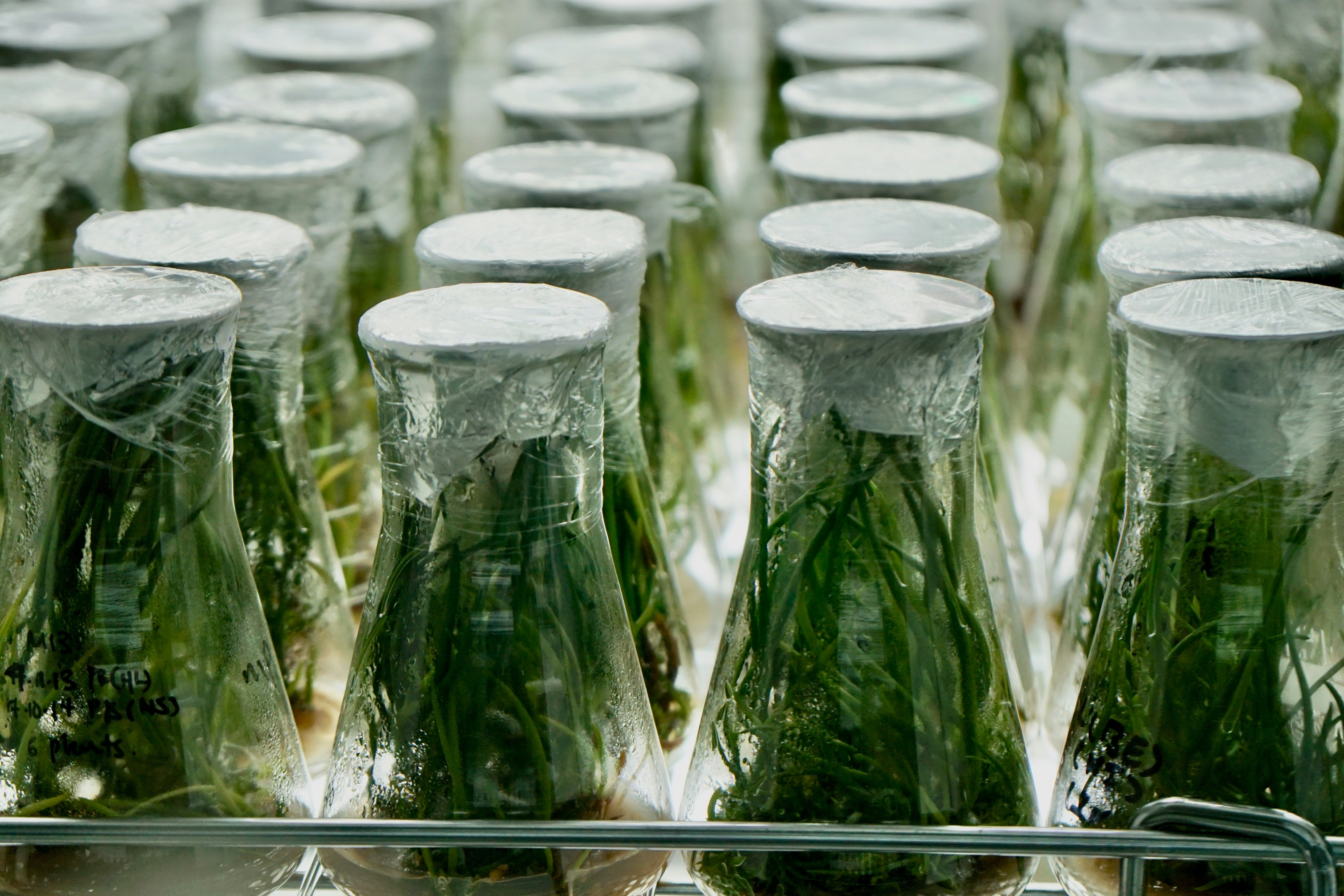
A recent surge in research on abscisic acid (ABA) has led to significant advancements in plant tissue culture techniques, underscoring its vital role in enhancing various aspects of plant development. ABA is known for its involvement in regulating physiological processes, making it an essential component in tissue culture protocols aimed at improving shoot regeneration, root development, and somatic embryogenesis.
In the context of micropropagation, ABA has been shown to enhance shoot regeneration rates in various plant species by stimulating meristematic activity. As a plant growth regulator, its application can lead to increased vigor and improved quality of plantlets, ultimately resulting in higher survival rates upon acclimatization. When integrated into tissue culture media, ABA helps create an optimal environment for the propagation of healthy and robust shoots.
Root development is another critical phase where ABA has demonstrated its effectiveness. The presence of ABA in rooting media has been linked to improved root quality and quantity. This effect is particularly vital for species that are otherwise difficult to root or have low rooting efficiency during conventional propagation methods. Furthermore, ABA aids in the establishment of a strong root system, which is essential for the successful transfer of plants to soil.
Somatic embryogenesis, a process where a single somatic cell develops into a whole plant, is notably influenced by ABA concentration. Research indicates that appropriate applications of ABA can spur the formation of somatic embryos and enhance the maturation of embryos into plantlets. By optimizing the concentration of ABA in culture mediums, researchers have been able to refine protocols for producing genetically uniform plant populations.
Collectively, these advancements signify the potential of ABA in transforming tissue culture practices, presenting opportunities for genetic engineering and micropropagation strategies that are essential for sustainable agriculture.
Influence of ABA on Plant Metabolism and Growth Regulation
Abscisic acid (ABA) plays a crucial role in regulating various aspects of plant metabolism and growth. One of the primary functions of ABA is its involvement in carbohydrate metabolism. Under conditions of water stress or nutrient deficiency, ABA levels increase, leading to a modification in how plants utilize carbohydrates. This process is critical in ensuring that energy resources are conserved during periods of non-optimal growth conditions. For instance, ABA influences the breakdown of starch into sugars, which can be utilized for energy production, thereby maintaining cellular functions even when external nutrient availability is limited.
Furthermore, ABA affects nutrient uptake mechanisms in plants. It modulates the expression of various transporters responsible for the uptake of essential nutrients, such as nitrogen and phosphorus. By enhancing the efficiency of nutrient acquisition during drought or saline stress, ABA ensures that plants can adapt and thrive in suboptimal growth conditions. This regulation is particularly significant in agricultural settings where water availability can impact crop yields.
Moreover, the influence of ABA extends to various growth processes, including seed germination, root development, and leaf senescence. In seed germination, ABA acts as a growth inhibitor, ensuring that seeds remain dormant until conditions are favorable for growth. In contrast, during root development, ABA can promote the growth of deeper roots, enhancing the plant’s ability to access moisture and nutrients buried deeper in the soil. This adaptability is vital for maintaining productivity in fluctuating environmental conditions.
Overall, ABA is instrumental in regulating plant metabolism and growth, enabling plants to optimize their nutrient use efficiency and survive adverse conditions. Its multifaceted roles in carbohydrate metabolism and nutrient uptake underscore the importance of ABA in sustainable agricultural practices and plant tissue culture systems.
Molecular Mechanisms of ABA Signaling Pathways
Abscisic acid (ABA) plays a pivotal role in plant stress responses, particularly in drought conditions. The molecular mechanisms of ABA signaling pathways are complex and involve various components ranging from receptors to downstream signaling molecules. The first step in ABA signaling is the perception of the hormone by specific receptors, primarily the PYR/PYL family of proteins. These receptors bind ABA and subsequently inhibit protein phosphatases, leading to the activation of downstream signaling components.
Upon ABA binding to its receptors, a conformational change occurs, enabling these receptors to interact with and inhibit type 2C protein phosphatases (PP2Cs). This inhibition releases the SnRK2 (Sucrose Non-Fermenting 1-Related Protein Kinase 2) family of signaling kinases from repression, allowing them to activate various responses. SnRK2 kinases, once activated, phosphorylate transcription factors such as ABF and SPF1, which then modulate the expression of ABA-responsive genes. These genes are implicated in various physiological adaptations, including stomatal closure, root growth modulation, and the enhancement of drought tolerance.
In addition to its direct signaling pathways, ABA interacts with other hormones such as ethylene, auxin, and gibberellins, showcasing its integral role in plant growth regulation. For instance, ABA can enhance ethylene production during stress, further modulating the plant’s response to environmental conditions. Moreover, the interplay between ABA and auxin influences processes such as cell elongation and root architecture, demonstrating the hormone’s broader implications in plant development.
In summary, understanding the molecular mechanisms underlying ABA signaling pathways reveals how plants integrate various signals to respond adaptively to their environment. The interactions between ABA and other hormonal pathways highlight its significance in managing plant stress responses and optimizing growth strategies in agriculture.
Future Prospects of ABA Research in Agriculture
The exploration of abscisic acid (ABA) signaling pathways and biosynthesis is gaining momentum in agricultural research due to the increasing need for sustainable farming practices. As climate change presents new challenges for crop production, the genetic engineering of crops for enhanced ABA signaling mechanisms appears to be a promising avenue. This could potentially lead to the development of plant varieties that are more resilient to abiotic stresses such as drought and salinity, thereby improving yield stability in fluctuating environmental conditions.
Moreover, the synthesis of ABA analogs has gained attention for its potential applications in agriculture. These synthetic compounds can mimic the action of naturally occurring ABA, offering a tool for better growth management and stress response in plants. The strategic application of these ABA analogs could help in optimizing water usage in irrigation and enhancing the growth of crops in arid regions. Additionally, researchers are investigating how ABA dynamics can be manipulated to improve crop quality and shelf life post-harvest, making these findings imperative for long-term food security.
The integration of biotechnological innovations, such as CRISPR and other genome editing tools, into ABA research is paving the way for targeted improvements in crop traits. By focusing on specific genes involved in ABA biosynthesis and signaling, scientists aim to create crops that can thrive under adverse conditions with minimal resource input. These advancements hold the potential to transform agricultural practices, leading to more resilient food systems.
Nonetheless, the future of ABA research in agriculture does not come without challenges. The complexities of plant signaling networks necessitate a thorough understanding to make effective modifications without unintended consequences. Thus, ongoing research and interdisciplinary collaboration will be crucial in realizing the full potential of ABA in sustainable agriculture, ultimately contributing to global food security.
Case Studies: Successful ABA Application in Crop Management
Abscisic acid (ABA) has garnered significant attention for its applications in agriculture, particularly in crop management and enhancement of plant resilience to environmental stresses. This section highlights several case studies showcasing the successful implementation of ABA in various agricultural practices across different regions.
One notable case study took place in California, where researchers experimented with ABA application in grapevines to improve drought resistance. By administering ABA during critical growth periods, growers observed an increase in water use efficiency and grape yield. The findings indicated that ABA applications enhanced stomatal regulation, allowing the plants to better manage water loss during dry spells. This study not only highlighted the potential of ABA in enhancing crop resilience but also demonstrated its practicality in maintaining agricultural productivity in regions facing water scarcity.
Another instance was reported in the Middle East, where ABA was utilized in the cultivation of date palms. Farmers incorporated ABA treatments to mitigate the effects of saline irrigation waters. The treatment was successful in inducing osmotic adjustments within the plants, ultimately leading to improved fruit quality and yield. While challenges were encountered, such as the timing of application and concentration levels, the overall resilience exhibited by the date palms underscored the benefits of ABA for crop management under adverse conditions.
In Asia, rice farmers implemented ABA to promote seed germination under flooding conditions. By applying ABA at the onset of flooding, researchers recorded a marked improvement in germination rates compared to untreated control seeds. This case illustrated how ABA could effectively enhance crop establishment, a critical factor for overall yield potential in rice production.
These case studies underscore the diverse applications of ABA in crop management, revealing its potential not only as a stress mitigator but also as a catalyst for agricultural innovation. The challenges faced, ranging from application techniques to environmental factors, have prompted further research, paving the way for optimized use of ABA across various agricultural contexts.
Conclusion: The Significance of ABA in Modern Agriculture
Abscisic acid (ABA) plays a crucial role in various physiological processes in plants, particularly in agriculture and plant tissue culture. Its biosynthesis and signaling pathways are integral to enhancing crop resilience, especially in the face of environmental stressors such as drought and salinity. By understanding and leveraging these mechanisms, agricultural scientists aim to develop crop varieties that exhibit improved tolerance to adverse conditions, ultimately contributing to food security amidst changing climate conditions.
Furthermore, the application of ABA in plant tissue culture has proven beneficial for the propagation and growth of a wide range of plant species. The regulation of ABA levels can influence shoot and root development, enhance germination rates, and improve the overall vigor of plant tissues in culture. This has significant implications for the production of high-quality plant materials and the conservation of endangered species.
In the context of sustainable agricultural practices, promoting ABA’s role may lead to innovative strategies that reduce water usage and increase agricultural productivity without compromising ecological balance. Continued research into ABA’s signaling pathways and its interactions with other hormones will be vital for maximizing its potential benefits in crop production.
The advancement of biotechnological methods and genetic engineering holds promise for the efficient tuning of ABA biosynthesis, allowing for the creation of crop varieties tailored to specific environmental challenges. Therefore, investing in research focused on ABA will not only enhance our understanding of plant physiology but also pave the way for more resilient agricultural systems.