

Introduction to Science
Science is fundamentally defined as a systematic approach to understanding the natural world. This multifaceted discipline is characterized by its reliance on observation, experimentation, and reasoning. Through these methods, scientists gather empirical evidence that contributes to our collective knowledge base. The scientific method, which serves as the backbone of scientific inquiry, encompasses a series of steps including observation, hypothesis formulation, experimentation, and analysis. This structured approach not only enables the identification of patterns in natural phenomena but also enhances our ability to predict future occurrences.
At its core, science aims to explain various aspects of the universe, promoting a deeper comprehension of the underlying principles that govern it. The diversity of scientific fields—from physics to biology—highlights the expansive nature of inquiry and discovery within the realm of science. Each discipline utilizes specific methodologies suited to its unique subject matter, ultimately converging towards a holistic understanding of the natural world.
In biology, for instance, scientists explore life forms and their interactions within ecosystems through detailed observation and data analysis. This exploration is facilitated by employing various scientific techniques, including controlled experiments, field studies, and statistical reviews. The rigorous nature of such studies ensures reliability and accuracy, thereby reinforcing the importance of a systematic approach within biological sciences.
This introduction to science not only sets the foundation for understanding biological concepts but also emphasizes the significance of a structured methodology in acquiring knowledge. By approaching science through careful observation and critical reasoning, we elevate our understanding of complex biological processes. Thus, the essence of science lies in its continuous quest for answers, driven by curiosity and a commitment to discovering the complexities of our world.
Understanding Life and Biology
Life is a complex phenomenon that encompasses a myriad of characteristics distinguishing living organisms from non-living entities. At its core, life can be defined by several key attributes: growth, reproduction, response to stimuli, cellular organization, metabolism, and homeostasis. These characteristics collectively contribute to the unique nature of living systems, allowing them to maintain functionality, adapt to their environments, and evolve over time.
One of the fundamental aspects of life is the ability to grow and develop. Living organisms undergo a specific sequence of changes during their lifespan, which is often dictated by genetic information encoded in their DNA. This genetic blueprint not only guides physical and biochemical development but also plays a pivotal role in heredity, enabling reproduction—another critical component of life. Through reproduction, organisms propagate their genetic material, ensuring the continuation of their species.
Introduction to Biology : A Comprehensive Guide to DMC-112 for digital media students
Additionally, living organisms exhibit the ability to respond to environmental stimuli. This responsiveness may manifest in various forms, such as movement toward food sources or away from potential threats, underscoring the dynamic interactions among organisms and their surroundings. The intricacies of these interactions are explored within the field of biology, which serves as the scientific study of living organisms, their behaviors, and their ecosystems.
Biology encompasses numerous sub-disciplines, including ecology, genetics, microbiology, and anatomy, each focusing on different facets of life. By analyzing the functions, structures, and relationships among living organisms, biology seeks to understand the principles governing life itself. The insights gained through biological research not only enhance our comprehension of living systems but also inform essential applications in medicine, environmental conservation, and biotechnology. As such, the exploration of life through the lens of biology is fundamental to advancing our understanding of the world around us.
The Cell: The Functional Unit of Life
The cell is often referred to as the fundamental unit of life, playing a crucial role in the structure and function of all living organisms. According to the cell theory—developed in the mid-19th century by scientists such as Theodor Schwann, Matthias Schleiden, and Rudolf Virchow—every living organism is composed of cells, and all cells arise from pre-existing cells. This theory underscores the significance of cells not just in individual organisms but also in the broader context of biological life.
Cells serve as the basic building blocks for all life forms, from the simplest prokaryotic organisms, such as bacteria, to highly complex multicellular organisms, including humans. This diverse array of life is dependent on the organization and functionality that cells provide. Different types of cells specialize in various functions, contributing to the overall homeostasis of an organism. For example, muscle cells are specialized for contraction and movement, while nerve cells are designed for transmitting signals throughout the body.
Moreover, cells are not merely passive structures; they actively participate in vital processes such as metabolism, energy production, and reproduction. The cell membrane, which encloses the cell, regulates the movement of substances in and out of the cell, thereby maintaining the internal environment conducive to life. Cellular processes are highly coordinated and controlled by intricate signaling pathways, which determine the fate and activity of the cell under varying conditions.
Understanding the nature of cells and their collective behavior is fundamental in various fields, including medicine, genetics, and biotechnology. The study of cellular functions and interactions can lead to breakthroughs in treating diseases, developing new technologies, and understanding the complexities of life itself. Ultimately, the cell embodies the principle that life arises from the organization of simpler units, each contributing to the vast tapestry of life we observe.
Cell Structure and Types
Cells are the fundamental units of life, and they come in two primary types: prokaryotic and eukaryotic. Understanding the differences between these cell types is essential for grasping key biology concepts. Prokaryotic cells, which include bacteria and archaea, lack a defined nucleus. Their genetic material is free-floating within the cell, surrounded by cytoplasm and encased in a robust cell wall. This simple structure is efficient for their survival and reproduction in a variety of environments.
Conversely, eukaryotic cells are characterized by a true nucleus, which houses their genetic material. These cells are found in plants, animals, fungi, and protists. Eukaryotic cells are more complex and contain specialized organelles, such as mitochondria, the endoplasmic reticulum, and Golgi apparatus, each playing specific roles in cellular function. For instance, mitochondria are essential for energy production, acting as the cell’s powerhouse.
In plant cells, additional structures like the cell wall are crucial. The cell wall provides both support and protection, allowing plants to withstand various stresses. Additionally, meristematic cells in plants are responsible for growth, enabling the plant to produce new tissues. These undifferentiated cells possess the potential to develop into various specialized cell types, contributing significantly to the plant’s development.
Another vital component of the cell is the cytoplasm, the jelly-like substance that surrounds organelles. It plays a critical role in facilitating the movement of nutrients, waste, and cellular components, ensuring the cell’s metabolic activities proceed efficiently. In summary, the structure of cells, their types, and their individual components are integral to the understanding of life at the cellular level, laying the groundwork for more complex biological processes.
Cell Division and the Cell Cycle
Cell division is a fundamental biological process that ensures the reproduction of cells and the perpetuation of life. This process comprises two primary types: mitosis and meiosis. Mitosis is essential for somatic cell division, leading to the generation of two genetically identical daughter cells, which facilitates growth and tissue repair. In contrast, meiosis is a specialized form of cell division that occurs exclusively in the formation of gametes—sperm and egg cells—resulting in four non-identical daughter cells, each with half the chromosome number of the original cell. This reduction in chromosome number is crucial for maintaining genetic stability across generations during sexual reproduction.
The cell cycle, which governs cell division, consists of several distinct phases that prepare the cell for division. It is traditionally divided into two main parts: interphase and the mitotic phase (M phase). Interphase accounts for the majority of a cell’s life and is further divided into three sub-phases: G1 (first gap), S (synthesis), and G2 (second gap). During G1, the cell grows and synthesizes proteins necessary for DNA replication. The S phase is characterized by the replication of DNA, leading to the duplication of chromosomes. Finally, in G2, the cell continues to grow and prepares for division, ensuring all necessary components are in place before entering mitosis.
Understanding cell division and the cell cycle is critical as these processes are vital for organismal development, tissue homeostasis, and reproductive success. Moreover, errors in these processes can lead to diseases, including cancer, where uncontrolled cell division occurs. By studying mitosis, meiosis, and the intricacies of the cell cycle, scientists can develop interventions for various health conditions, emphasizing the importance of cell division in biological research.
Genetics and Chromosomal Function
Genetics is a fundamental branch of biology that explores the heredity and variation of organisms. The primary structures responsible for genetic information are chromosomes, which are composed of long strands of DNA. Each human cell contains 46 chromosomes, organized into 23 pairs. Of these, 22 pairs are autosomes, while the remaining pair consists of sex chromosomes, which determine the genetic sex of an individual.
Within the chromosomes are genes, which are specific sequences of nucleotides that encode instructions for building proteins. These proteins play a crucial role in the expression of traits. The process of gene expression involves transcription and translation. During transcription, a segment of DNA is copied into mRNA (messenger RNA), which then leaves the nucleus and is translated into a protein at the ribosome. This protein ultimately contributes to an organism’s phenotype, the observable characteristics resulting from both genetic and environmental influences.
Within genetic inheritance, genes can be categorized as dominant or recessive. A dominant gene will express its trait even when only one copy is present, whereas a recessive gene requires two copies to manifest its associated trait. These interactions between dominant and recessive genes are fundamental to understanding inheritance patterns, such as those articulated in Mendel’s laws of segregation and independent assortment.
Moreover, the genotype refers to the genetic constitution of an individual, encompassing both the dominant and recessive alleles present. In contrast, the phenotype is the manifestation of these genes in terms of physical and behavioral traits. Understanding the relationship between genotype and phenotype is essential in comprehending the complexities of inheritance and gene expression, which are core aspects of genetics.
Understanding Evolution and Natural Selection
Evolution is a fundamental concept in biology that explains how species change over time through processes driven by variation, inheritance, and selection. The theory of evolution posits that all life on Earth shares a common ancestor, with the diversity of species arising as populations adapt to their environments through gradual changes. These changes may result from mutations, gene flow, and genetic drift, alongside the significant force of natural selection.
Natural selection is the process by which certain traits become more common in a population due to their advantageous nature, thereby enhancing the reproductive success of individuals possessing those traits. This was famously exemplified by Charles Darwin, who observed that species display adaptations to their niches, such as the beak shapes of finches on the Galapagos Islands, which varied according to dietary needs.
To illustrate evolutionary concepts, we can compare vertebrates and invertebrates. Vertebrates, such as mammals and birds, possess a backbone and are often characterized by more complex structures and behaviors. These traits may confer advantages in terms of mobility, habitat use, and reproductive strategies. In contrast, invertebrates, which include organisms like insects, arachnids, and mollusks, do not have backbones and display a wide array of forms and adaptations. For instance, the octopus exhibits remarkable intelligence and problem-solving capabilities relative to its environment, showcasing how invertebrates can also evolve intricate behaviors and adaptations.
The continuous interplay of genetic variation and environmental pressures shapes the evolutionary pathways for all organisms. Understanding these concepts not only illuminates the history of life on Earth but also provides insight into the mechanisms driving biodiversity today.
Energy, Matter, and Life Processes
In biology, energy and matter are fundamental components that underlie all life processes. Living organisms demonstrate a remarkable ability to both extract energy from their surroundings and transform it into various forms necessary for growth, reproduction, and maintenance of homeostasis. This process begins with the capture of energy from sunlight through photosynthesis in plants, which convert light energy into chemical energy stored within glucose molecules. This energy forms the foundation of the food web, supporting herbivores which, in turn, serve as a food source for carnivores.
Conversely, matter, including carbon, nitrogen, and water, is cycled through biological systems. These elements are crucial for constructing biological macromolecules such as proteins, nucleic acids, and lipids. The cycle of matter ensures that essential nutrients remain available for the various metabolic activities that sustain life. For example, during cellular respiration, organisms convert biochemical energy from nutrients back into usable forms of energy, thus facilitating diverse biological functions such as ATP synthesis, which supplies energy for cellular activities.
Additionally, the chemistry of life involves intricate biochemical pathways that facilitate the transformation of energy and matter. Enzymes act as catalysts, enhancing the efficiency of these reactions and allowing organisms to respond swiftly to varying environmental conditions. Each cellular process, from protein synthesis to nutrient absorption, exemplifies the dynamic interplay between energy and matter, highlighting their pivotal roles in sustaining living organisms.
Essentially, the intricate relationships between energy, matter, and life processes exemplify how all biological activities depend on continual energy transformations and matter recycling. This interaction not only maintains the balance of ecosystems but also exemplifies the complex nature of life itself, further emphasizing the importance of energy and matter in biological contexts.
Conclusion and Connections
In synthesizing the fundamental concepts of biology explored throughout this guide, it becomes evident that each aspect of this field is inherently interconnected. From the smallest cellular mechanisms to the grand complexity of ecosystems, biology encompasses a comprehensive framework that aids our understanding of life and the natural world. The interrelationship between concepts such as genetics, ecology, and evolution illustrates how living organisms interact with one another and their environment, creating a complex tapestry of existence.
By acknowledging the linkages between these key biology concepts, one can appreciate how processes such as natural selection contribute not only to the survival of species but also to their adaptation over time. The study of biology is not merely about isolated entities; rather, it embodies a holistic approach that connects molecular biology with organismal behaviors and environmental influences. Understanding this interdependence encourages a deeper insight into biological phenomena, fostering a more profound respect for the diversity of life.
This interconnectedness is vital for addressing pressing global challenges, including biodiversity loss and climate change. By employing a biological perspective, we gain the tools required to navigate complex problems and devise sustainable solutions. Thus, the relevance of biology transcends academic study; it is essential for informed decision-making in ecological conservation and public health.
In conclusion, the exploration of key biology concepts reveals their interconnected nature and highlights the importance of an integrative approach to understanding life. Each concept reinforces the others, forming a cohesive narrative that underscores the elegance of biological systems and their implications for the living world.
Basic Science Concepts
Define Science:
Science is the systematic study of the natural world through observation, experimentation, and evidence-based reasoning.
Functional Unit of Life:
The cell is the functional unit of life, as it carries out all processes necessary for an organism’s survival.
Define Life:
Life is the condition that distinguishes living organisms from non-living matter, characterized by growth, reproduction, response to stimuli, and metabolism.
Define Biology:
Biology is the study of living organisms, their structure, function, evolution, and interactions with the environment.
Cell Theory:
A scientific theory stating that all living things are composed of cells, cells are the basic unit of life, and all cells arise from pre-existing cells.
Living Organisms
Any individual living entity, such as a plant, animal, fungus, or microbe, capable of carrying out life processes.
Cells and Structures
Cell Wall in Plants but Not in Animals:
Plant cells have a rigid cell wall made of cellulose to provide structure and support, while animal cells do not need this because they have a flexible membrane and skeletal support.
Types of Cells:
Prokaryotic cells: No nucleus, simple structure (bacteria).
Eukaryotic cells: Nucleus present, complex structure (plants, animals, fungi).
Meristematic Cells:
Undifferentiated plant cells capable of continuous division and growth.
Cytoplasmic Cell (probably Cytoplasm):
The jelly-like fluid inside the cell where organelles are suspended.
Totipotent Cells:
Cells that can develop into any type of cell in the organism, e.g., zygote.
Cell Division:
The process by which a parent cell divides into two or more daughter cells. Includes mitosis (growth/repair) and meiosis (gamete formation).
Cytokinesis:
The final stage of cell division where the cytoplasm splits, forming two daughter cells.
Cell Cycle:
Series of stages a cell goes through for growth, DNA replication, and division. Important for tissue growth and repair.
Genetics and Chromosomes
Chromosomes:
Thread-like structures of DNA in the nucleus. Humans have 46 chromosomes (23 pairs).
Genes:
Segments of DNA that code for proteins. Humans have ~30,000 genes.
Gene Expression (Transcription):
Process by which DNA is copied into RNA to make proteins.
Dominant and recessive gene
Dominant genes show their trait even if one copy is present; recessive genes only show when two copies are present.
Functional Protein:
Proteins synthesized according to gene instructions, performing specific cellular functions.
Phenotype vs Genotype:
Genotype: Genetic makeup of an organism.
Phenotype: Observable traits, influenced by genotype + environment.
Mitosis:
A type of cell division producing two identical daughter cells (for growth and repair).
Meiosis:
Cell division producing four genetically unique gametes (for reproduction).
Stages of Mitosis:
Prophase: Chromosomes condense, spindle forms.
Metaphase: Chromosomes align at the cell center.
Anaphase: Sister chromatids separate.
Telophase: Nuclear membrane reforms.
Cytokinesis: Cytoplasm divides.
Why Cell Division Occurs:
For growth, repair, reproduction, and maintaining proper cell size.
Difference Between Cancer and Normal Cells:
Cancer cells divide uncontrollably and ignore normal regulatory signals, unlike normal cells.
Evolution and Natural Selection
Define Evolution:
The change in the heritable traits of a population over generations.
Natural Selection:
Process by which organisms better adapted to their environment survive and reproduce.
Evolutionary Biologist Says:
Species evolve through variation, inheritance, and selection over time.
Vertebrates vs Invertebrates:
Vertebrates: Animals with backbone (e.g., mammals, birds).
Invertebrates: Animals without backbone (e.g., insects, worms).
Energy and Matter
What is Energy & Importance:
Energy is the ability to do work. Essential for all biological processes like growth, movement, and metabolism.
Types of Energy:
Kinetic Energy: Motion energy.
Potential Energy: Stored energy.
Chemical Energy: Stored in chemical bonds (food, ATP).
Thermal Energy: Heat energy.
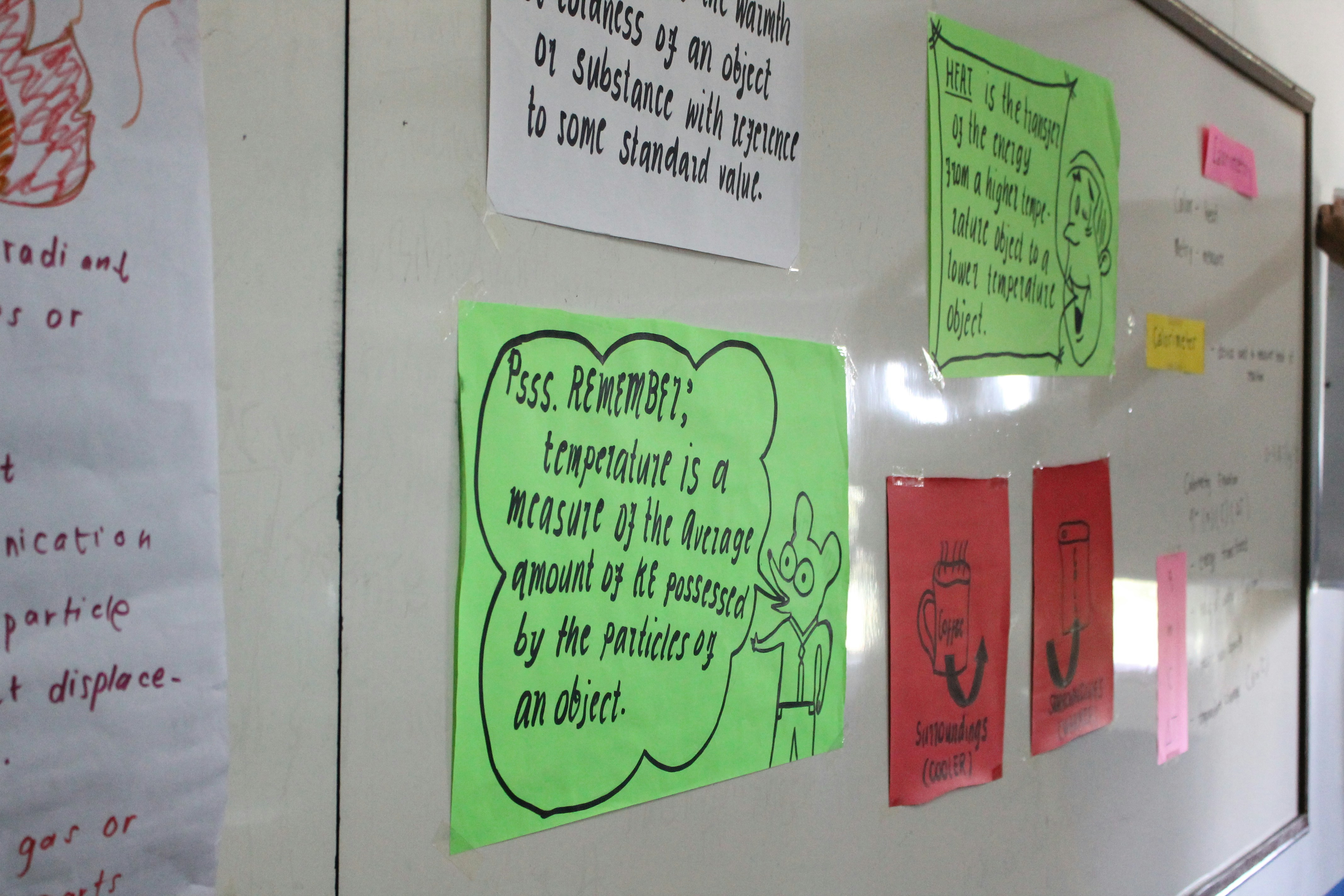
Difference Between Heat & Temperature:
Heat: Total energy in molecules.
Temperature: Measure of how hot or cold something is.
Matter: Anything with mass and volume.
Molecule: Two or more atoms bonded together.
Thermodynamics Basics:
Study of energy flow and transformation.
Electricity & Electron Transport:
Electricity: Flow of electrons through a conductor.
Electron Transport Chain: Series of protein complexes that transfer electrons to produce energy (ATP).
Biochemistry & Organic Molecules
Organic Molecules:
Contain carbon, hydrogen, and often oxygen (carbs, proteins, lipids, nucleic acids).
Inorganic Molecules:
Lack carbon-hydrogen bonds (water, minerals, salts).
Amino Acids:
Building blocks of proteins. Can be essential (must be obtained from diet) or non-essential (synthesized by body).
Chemical Bonds in Biology:
Covalent Bond: Atoms share electrons.
Ionic Bond: Transfer of electrons between atoms.
Living vs Non-Living Matter:
Living: Growth, metabolism, reproduction, response to stimuli.
Non-living: Lack these features.
Complex Molecules in Living Matter:
Proteins, DNA, RNA, carbohydrates, lipids.
Two Types of Growth:
Increase in cell number (cell division).
Increase in cell size (cell enlargement).
Covalent Bonding in Biomolecules:
Strong sharing of electrons that forms stable molecules like DNA and proteins.
Vaccines and Immunity
Vaccine:
A biological preparation that provides immunity against a specific disease by stimulating the immune system.
Science vs Scientism
Difference Between Science and Scientism:
Science: Systematic study of nature using evidence.
Scientism: Belief that science is the only valid way to understand reality, ignoring philosophy, ethics, and humanities.
This covers nearly all your requested topics.
