
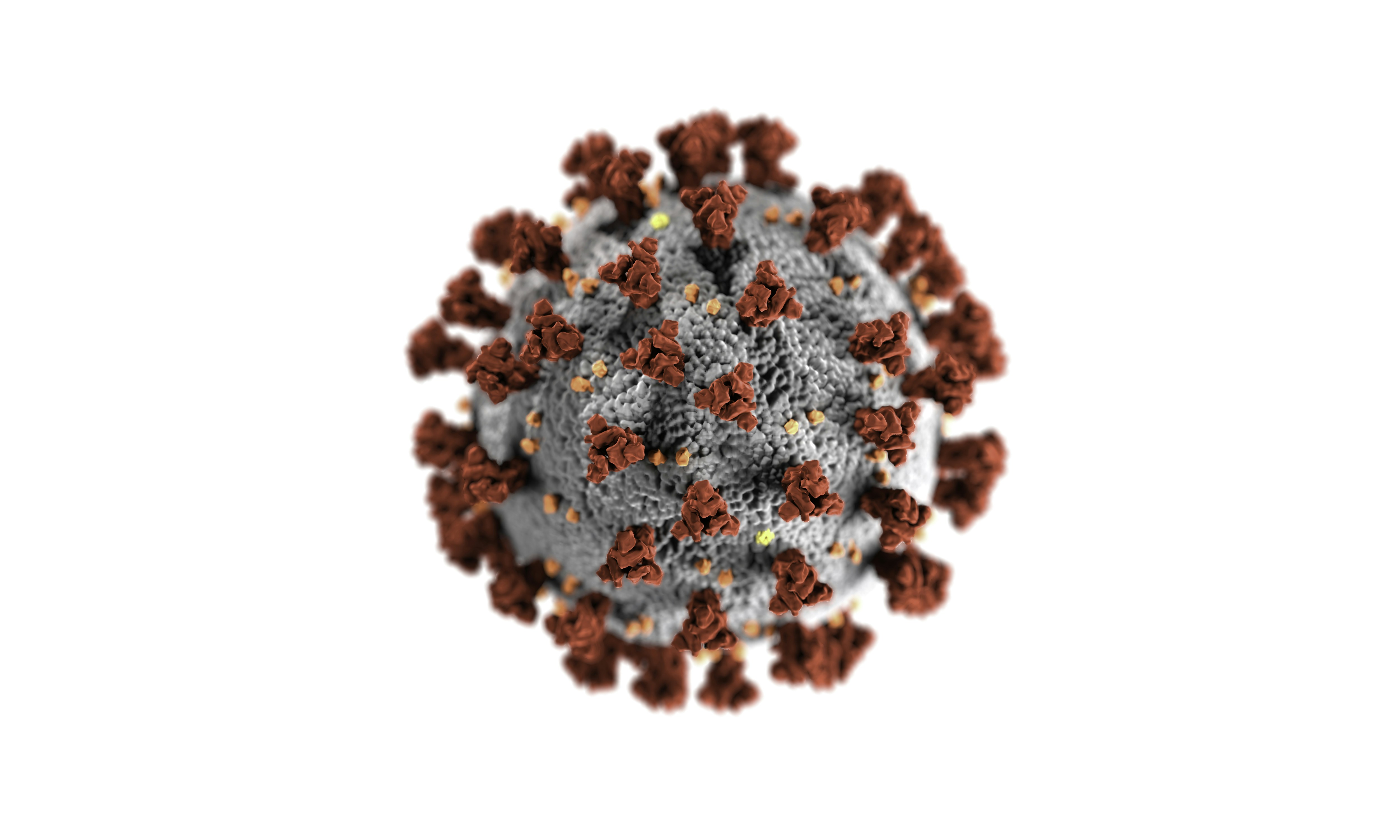
What is the HIV Genome?
The HIV genome is the genetic material of the human immunodeficiency virus (HIV). This virus is responsible for causing AIDS (Acquired Immunodeficiency Syndrome). The genome of HIV consists of RNA, which is unique compared to the DNA genomes found in many other organisms. It is critical for scientists to study the HIV genome in order to understand the virus better and develop effective treatments.
Structure of the HIV Genome
The HIV genome is approximately 9,800 nucleotides long and consists of several essential genes, including gag, pol, and env. The gag gene encodes proteins that form the virus’s core, while the pol gene provides the enzymes necessary for viral replication. The env gene encodes proteins that allow the virus to enter host cells by binding to CD4 receptors. This intricate structure is a key component in how HIV interacts with and affects the human immune system.
Importance of HIV Genome Research
Research into the HIV genome is crucial for several reasons. Understanding the genetic makeup of HIV helps researchers identify how the virus mutates and evolves, which can be pivotal in developing vaccines and therapies. Moreover, insights from HIV genome studies have also contributed to the broader field of genetics and virology, impacting the treatment of other viral infections. The continuous study of the HIV genome remains a cornerstone in the fight against AIDS and related diseases.