
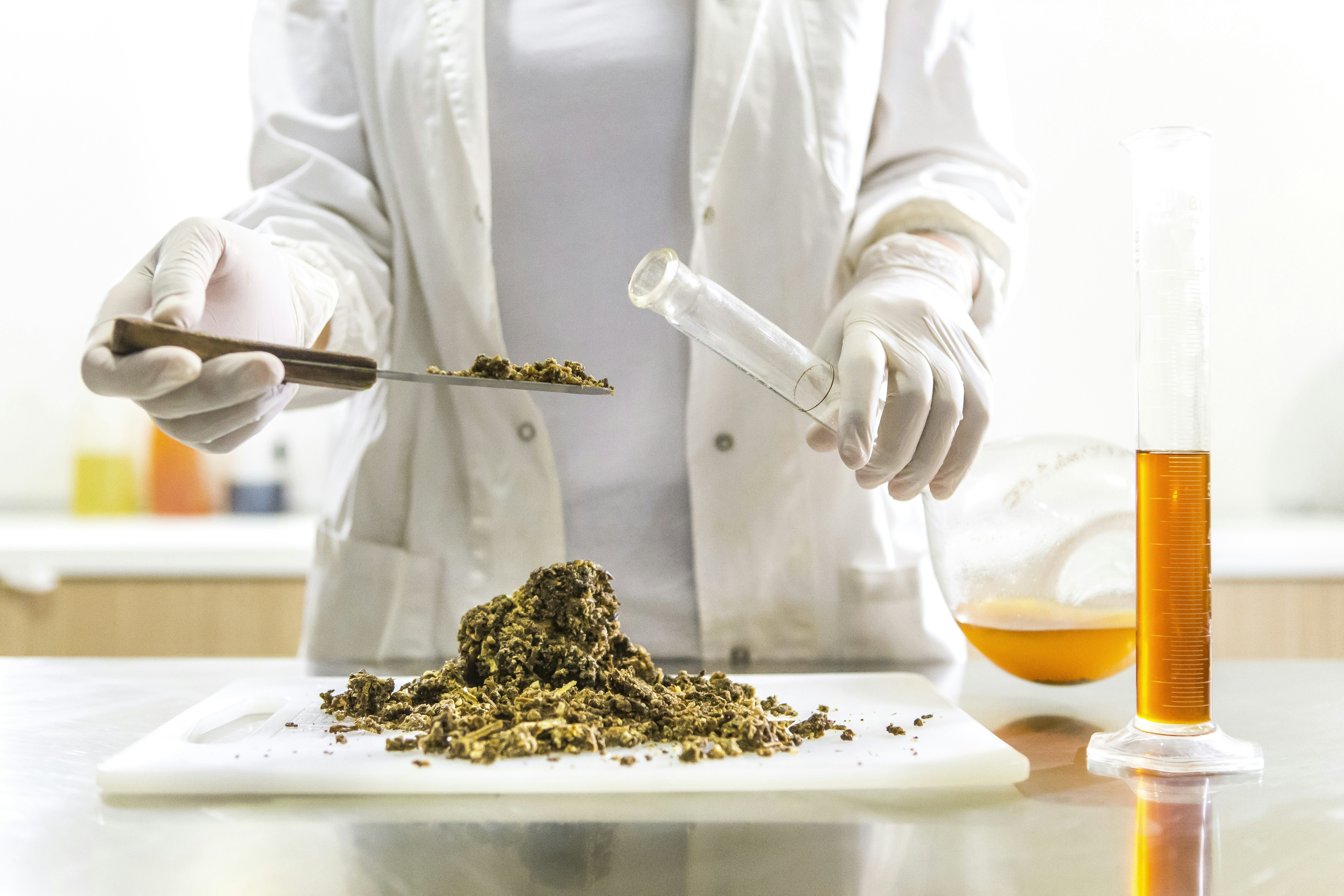
Introduction to DNA Isolation
DNA isolation is a crucial process in molecular biology, as it allows researchers to extract and purify deoxyribonucleic acid (DNA) from various organisms, including plants. The isolated DNA can then be used for numerous applications such as genetic mapping, cloning, sequencing, and manipulation. Understanding DNA isolation methods is vital for genetic studies and biotechnological applications, particularly in the context of plant genetics.
Among the various techniques available for DNA extraction, the CTAB (Cetyltrimethylammonium bromide) method stands out as a widely adopted approach for isolating DNA from plant tissues. CTAB is a cationic detergent that facilitates the breakdown of cell membranes and the release of nucleic acids. One of the primary advantages of the CTAB method is its ability to yield high-quality DNA that is free from polysaccharides and phenolic compounds, which are prevalent in many plant species. This purity is essential, as contaminants can interfere with downstream applications such as PCR (Polymerase Chain Reaction) and sequencing.
The CTAB method is particularly favored for its efficiency and versatility across diverse plant tissues, including leaves, roots, and seeds. The protocol also employs various chemical agents that play specific roles in enhancing the extraction process, such as reducing protease activity and stabilizing nucleic acids. Because of its robustness, this method has become standard in laboratories focusing on plant molecular biology.
Overall, the isolation of DNA from plants using the CTAB method provides a reliable foundation for genetic analysis and research, contributing to advancements in fields such as agriculture, ecology, and biotechnology.
The Role of Each Chemical in the CTAB Method
The CTAB (Cetyltrimethylammonium bromide) method is widely utilized for DNA isolation from plant materials due to its efficiency in targeting polysaccharides and facilitating the extraction of high-quality nucleic acids. This method incorporates several key chemicals, each playing a crucial role in the overall extraction process.
First and foremost, CTAB is a cationic detergent that serves to disrupt cell membranes, allowing for effective lysis of plant cells. By interacting with the lipid bilayer, CTAB solubilizes the membranes, releasing cellular contents, including DNA, into the solution. Additionally, the cationic nature of CTAB plays a pivotal role in precipitating nucleic acids, which enhances the overall purity of the isolated DNA.
Sodium chloride (NaCl) is another essential component used in the CTAB extraction protocol. Its primary function is to shield the negatively charged DNA molecules, which helps to maintain their stability during the extraction process. By providing an ionic environment, sodium chloride also assists in the removal of water-soluble polysaccharides and proteins that can interfere with subsequent DNA analysis.
Furthermore, the presence of a buffer, often Tris-HCl, ensures that the pH remains stable throughout the lysis process. This stability is vital as fluctuations in pH can adversely affect the integrity of both the DNA and the reagents employed for extraction.
Additional reagents, such as polyvinylpyrrolidone (PVP), may be included in the extraction protocol to bind and remove phenolic compounds, which are common contaminants that can negatively influence the quality of DNA. The careful selection and function of these chemicals collectively contribute to the successful isolation of DNA, free from contaminants that could impede downstream applications.
Step-by-Step Protocol for DNA Isolation Using CTAB
The isolation of DNA from plant tissues using the CTAB (Cetyl Trimethyl Ammonium Bromide) method is a widely-used protocol due to its effectiveness in extracting high-quality nucleic acids. This section provides a detailed, step-by-step guide for this procedure, elucidating the role of each chemical involved and offering tips for optimal results.
1. **Sample Preparation**: Begin by collecting and processing fresh plant tissue, such as leaves or stems. Freeze the samples in liquid nitrogen, which helps preserve the integrity of the DNA by preventing degradation from enzymatic activity. Grind the tissue into a fine powder in the presence of liquid nitrogen to ensure maximum surface area exposure for the extraction.
2. **CTAB Buffer Addition**: Add the CTAB extraction buffer to the powdered plant material. The CTAB acts as a detergent, disrupting cell membranes and denaturing proteins that bind with DNA, facilitating its release into the solution. The buffer typically contains a high salt concentration, which helps to stabilize nucleic acids and minimize degradation.
3. **Incubation**: Incubate the mixture at 65°C for approximately 30 minutes. This step enhances the solubilization of polysaccharides and effectively denatures proteins, including those that might co-isolate with the DNA. It is crucial to maintain the temperature to ensure a complete reaction without compromising the nucleic acid.
4. **Phase Separation**: After incubation, add chloroform-isoamyl alcohol to the solution and mix gently. Centrifuge the mixture to separate the aqueous layer, which contains the DNA, from the phenolic phase where proteins and other contaminants reside. Carefully collect the upper aqueous phase to avoid contamination.
5. **Precipitation**: To precipitate the DNA, add cold isopropanol to the aqueous layer and incubate on ice for at least one hour. This allows the DNA to form a visible pellet. Following precipitation, centrifuge again to collect the DNA pellet.
6. **Washing and Resuspension**: Wash the DNA pellet with 70% ethanol to remove residual salts and impurities. After drying, resuspend the pellet in TE buffer or nuclease-free water. This step is essential for ensuring that the DNA is in a suitable condition for further analysis or experimentation.
By following these steps meticulously, researchers can effectively isolate DNA from plant tissues using the CTAB method. Each component of the protocol serves a distinct function that contributes to the overall success of DNA extraction, ensuring high yield and purity for downstream applications.
Troubleshooting Common Issues in DNA Isolation
DNA isolation is a critical process in molecular biology, particularly when using the CTAB (Cetyl Trimethyl Ammonium Bromide) method. However, researchers may encounter several challenges that can influence the yield and quality of the DNA obtained. Understanding these common issues and knowing how to address them can significantly enhance the effectiveness of the isolation process.
One prevalent issue is low DNA yield. This problem may arise due to under-extraction of plant tissues or suboptimal grinding conditions. To mitigate this, ensure thorough disruption of plant material using appropriate homogenization techniques, such as using a mortar and pestle or a homogenizer, which enables the release of DNA trapped within cell walls effectively. Additionally, consider the quantity of starting material, as using insufficient tissue may lead to limited yield.
Contamination is another challenge often faced during DNA isolation. Impurities from phenolic compounds or polysaccharides present in plant samples can hinder the purity of the isolated DNA. One practical approach to reduce contamination is to incorporate an additional purification step, such as washing the DNA pellet with a solution containing ethanol or isopropanol. This can effectively help in removing undesirable contaminants while retaining high-quality DNA.
Poor quality DNA may present as degraded or insufficiently concentrated samples, which can impede downstream applications. Factors contributing to this issue include prolonged exposure to heat or incorrect storage conditions. To maintain DNA integrity, it is crucial to keep samples cool during the isolation process and store purified DNA at -20°C or -80°C, limiting freeze-thaw cycles as much as possible.
By addressing these common problems with practical solutions, researchers can effectively enhance the DNA isolation process using CTAB, ensuring high yields and purity for their molecular analyses.