
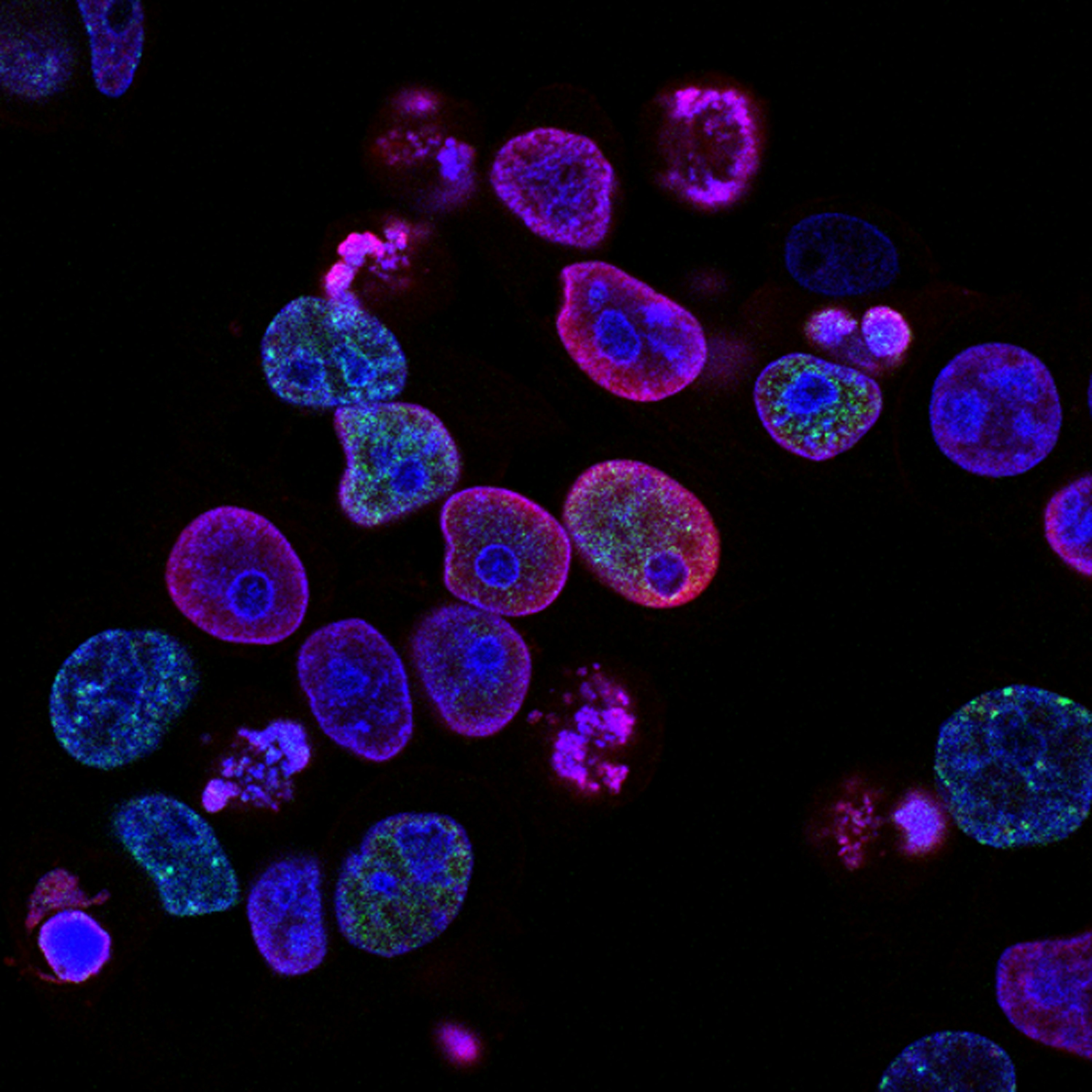
Introduction to Cells
Cells are recognized as the fundamental building blocks of all living organisms. Every aspect of life is synthesized, organized, and functionally coordinated at the cellular level. These microscopic units exhibit an incredible diversity in form and function, adaptable to myriad environments and tasks.
Cells are classified into two primary categories: prokaryotic and eukaryotic. Prokaryotic cells are simpler and smaller, lacking a nucleus and membrane-bound organelles. They are typically unicellular organisms, such as bacteria and archaea. In contrast, eukaryotic cells are more complex. They contain a nucleus and various organelles that perform specialized functions, allowing for more intricate operations within a multicellular organism, such as those found in plants, animals, fungi, and some protists.
The study of cells is guided by the cell theory, a vital concept in biology composed of three major principles. First, it asserts that all living organisms are composed of one or more cells, highlighting the universal nature of cell components in life. Second, it states that the cell is the basic unit of life, underscoring the notion that all activities essential to life occur within cells. Finally, the theory proposes that all cells arise from pre-existing cells through cellular division, emphasizing continuity in life. This framework has not only transformed our understanding of biology but is also foundational for advancements in medicine, genetics, and biochemistry.
Cell Membrane: The Protective Barrier
The cell membrane, also known as the plasma membrane, is a fundamental component of all living cells, serving as a protective barrier. Its main function is to maintain the integrity of the cell’s internal environment while regulating the movement of substances in and out of the cell. The composition of the cell membrane is primarily made of phospholipids, which are molecules that contain hydrophilic (water-attracting) heads and hydrophobic (water-repelling) tails. This unique arrangement leads to the formation of a bilayer, wherein the hydrophobic tails face inward, shielded from water, while the hydrophilic heads are oriented towards the external and internal environments of the cell.
In addition to phospholipids, the cell membrane contains a variety of proteins that serve numerous functions. These proteins can be classified into integral proteins, which span the membrane, and peripheral proteins, which are situated on the membrane’s surface. Integral proteins often act as channels or transporters, facilitating the passage of ions and molecules across the membrane. This functional diversity of membrane proteins is critical for processes such as cell signaling, adhesion, and communication.
Another important aspect of the cell membrane is its permeability, which refers to the membrane’s ability to allow certain substances to pass while restricting others. This selective permeability is essential for maintaining homeostasis within the cell. Additionally, cholesterol molecules interspersed within the phospholipid bilayer play a crucial role in modulating membrane fluidity, ensuring that the membrane remains flexible yet stable under varying temperatures. By contributing to both structural integrity and fluidity, cholesterol is fundamental for optimal cell function and interactions.
Nucleus: The Control Center
The nucleus is a critical component of eukaryotic cells, often referred to as the “brain” of the cell. This organelle is encased in a double membrane known as the nuclear envelope, which serves to protect its contents and regulate communication with the cytoplasm through structures called nuclear pores. These pores facilitate the exchange of molecules such as RNA and proteins, playing a vital role in the cell’s overall functionality.
Within the nucleus lies chromatin, a complex of DNA and proteins that condenses to form chromosomes during cell division. The primary function of the nucleus involves storing genetic information, which is essential for coding the proteins that dictate cell behavior. The DNA within the nucleus serves as a blueprint for the organism, governing traits and influencing essential processes such as growth and reproduction.
In addition to its role in storing genetic material, the nucleus directs various cellular activities and processes. By regulating gene expression, it controls the synthesis of proteins required for cellular function and adaptation. The nucleus is also pivotal during cell division, especially in processes like mitosis and meiosis, where the accurate distribution of genetic material is crucial for maintaining genetic continuity across generations. During mitosis, the chromatin condenses into distinct chromosomes, ensuring that each daughter cell receives an identical set of genetic instructions.
Overall, the nucleus is indispensable for cell vitality, acting as the repository of genetic information while orchestrating numerous cellular operations. Its intricate structure and multifaceted functions underscore its importance as the control center of the cell, highlighting its role in sustaining life at the cellular level.
Mitochondria: The Powerhouse of the Cell
Mitochondria are often described as the “powerhouses” of the cell due to their essential role in generating adenosine triphosphate (ATP), the primary energy currency of cellular activities. These organelles are unique in possessing a double membrane structure, which consists of an outer smooth membrane and an inner membrane that is highly folded into structures known as cristae. The inner membrane’s extensive surface area is crucial for facilitating the many processes involved in ATP production.
The generation of ATP occurs primarily through a series of biochemical reactions known as cellular respiration. This process involves several stages: glycolysis, the citric acid cycle, and oxidative phosphorylation. Mitochondria play a pivotal role in both the citric acid cycle and oxidative phosphorylation. During the citric acid cycle, which takes place in the mitochondrial matrix, glucose and other nutrients are broken down, releasing electrons that are transferred to electron carriers. These electrons then enter the electron transport chain located in the inner mitochondrial membrane.
As electrons move through this chain, protons are pumped from the mitochondrial matrix to the intermembrane space, creating a proton gradient. This gradient is essential for driving the synthesis of ATP via ATP synthase, a process known as chemiosmosis. This highlights the critical function of mitochondria not only in energy metabolism but also in regulating cellular energy supply and ensuring cell survival. Dysfunctions in mitochondrial processes can lead to decreased ATP production and are linked to various metabolic disorders and diseases, such as mitochondrial myopathy and neurodegenerative diseases. Understanding the structure and function of mitochondria therefore provides invaluable insight into their role in health and disease.
Endoplasmic Reticulum: The Manufacturing and Transport System
The endoplasmic reticulum (ER) is a vital cellular structure, comprising an extensive network of membranous tubules and sacs. It is primarily categorized into two types: rough endoplasmic reticulum (RER) and smooth endoplasmic reticulum (SER), each serving distinct yet crucial roles within the cell.
The rough endoplasmic reticulum is characterized by the presence of ribosomes attached to its cytoplasmic surface, giving it a ‘rough’ appearance. These ribosomes are integral to the process of protein synthesis; they translate messenger RNA into polypeptide chains. The RER not only synthesizes proteins destined for secretion or for use in lysosomes but also plays a role in post-translational modifications, such as glycosylation. Additionally, the RER serves as a quality control site where proteins misfolded or improperly assembled are identified and targeted for degradation, ensuring cellular integrity and functionality.
On the other hand, the smooth endoplasmic reticulum lacks ribosomes, resulting in a smooth appearance. This structure is involved in a variety of metabolic processes, notably lipid synthesis. The SER is responsible for producing phospholipids and cholesterol, both essential for cell membrane formation and maintenance. Furthermore, the smooth endoplasmic reticulum plays a critical role in detoxification by metabolizing potentially harmful substances, including drugs and metabolic wastes. In muscle cells, specific SER structures, known as sarcoplasmic reticulum, store calcium ions, which are crucial for muscle contraction.
In summary, the endoplasmic reticulum, through its rough and smooth varieties, is fundamental to cellular operations, ensuring effective protein and lipid synthesis, facilitating detoxification, and maintaining overall cell health.
Golgi Apparatus: The Packaging Center
The Golgi apparatus, also known as the Golgi complex or Golgi body, is a crucial organelle found in eukaryotic cells, responsible for the modification, sorting, and packaging of proteins and lipids. This organelle resembles a stack of flattened membranes or sacs, and is typically located near the endoplasmic reticulum and the cell nucleus. The structure of the Golgi apparatus enables it to efficiently carry out its functions while maintaining proximity to the cellular sites where proteins and lipids are synthesized.
One of the primary roles of the Golgi apparatus is to modify proteins that are produced in the rough endoplasmic reticulum. After proteins arrive at the Golgi in their initial forms, they undergo various modifications, such as glycosylation, where carbohydrate groups are added. These modifications are essential for the proper functioning of proteins, as they can influence protein stability, folding, and their eventual destination within the cell or outside of it.
Once the proteins are modified, the Golgi apparatus sorts them and packages them into vesicles. These vesicles are small membrane-bound sacs that transport proteins and lipids to their desired locations, which may include secretion outside the cell or delivery to specific organelles such as lysosomes. Lysosomes, in particular, are responsible for breaking down waste materials and cellular debris, and the Golgi plays a vital role in their formation by producing the enzymes needed for their operation.
In summary, the Golgi apparatus functions as a sophisticated packaging and dispatch center within the cell. Through its structural organization and dynamic processes, it ensures that proteins and lipids are appropriately modified and delivered, highlighting its essential role in maintaining cellular organization and efficiency.
Lysosomes: The Digestive System of the Cell
Lysosomes are membrane-bound organelles found in the cytoplasm of eukaryotic cells, often referred to as the cell’s digestive system. These structures were first identified by the French biologist Christian de Duve in the 1950s. Lysosomes play a critical role in the degradation and recycling of cellular waste materials and debris, maintaining cellular integrity and health.
Structurally, lysosomes are spherical vesicles filled with hydrolytic enzymes that can break down various biomolecules, including proteins, lipids, carbohydrates, and nucleic acids. These enzymes operate optimally at acidic pH levels, typically maintained by proton pumps in the lysosomal membrane, allowing lysosomes to effectively carry out their functions. Due to their composition, lysosomes are capable of digesting unwanted material that may accumulate within the cell. They achieve this through a process called autophagy, where they engulf cellular components, breaking them down into simpler molecules that can be reused by the cell.
Beyond waste disposal, lysosomes are also implicated in apoptosis, the programmed cell death mechanism that is vital for organismal development and homeostasis. During apoptosis, lysosomes release their enzymes into the cytosol, facilitating cellular breakdown in a controlled manner, thereby preventing inflammation or damage to surrounding tissues. Furthermore, lysosomal dysfunction is linked to various diseases, such as lysosomal storage disorders, where undigested substrates accumulate due to enzyme deficiencies, leading to cellular dysfunction.
In this manner, lysosomes serve both as a digestive system and as a regulator of cellular health. By effectively managing waste disposal and supporting cell death when necessary, they ensure the dynamic balance required for cellular function and longevity.
Cytoskeleton: The Cell’s Support Structure
The cytoskeleton is an intricate network of protein filaments and tubules that play a crucial role in maintaining the shape and structure of cells. It functions similarly to a scaffold, providing both mechanical support and the ability to anchor organelles in place. The major components of the cytoskeleton include microtubules, microfilaments, and intermediate filaments, each contributing uniquely to cellular integrity and functionality.
Microtubules, composed of tubulin protein, are the thickest elements of the cytoskeleton. They are pivotal in determining cell shape, facilitating cell division, and serving as tracks for the movement of organelles and vesicles via motor proteins. Their dynamic nature allows them to grow and shrink, adapting to the needs of the cell, particularly during processes such as mitosis.
Microfilaments, or actin filaments, are thinner structures primarily involved in muscle contraction and cellular motility. They support the cell’s shape and play a vital role in various cellular movements, including cytoplasmic streaming, amoeboid movement, and the contraction of muscle fibers. Additionally, they contribute to the formation of the cell’s cortex, influencing surface tension and membrane protrusions.
Intermediate filaments serve to provide mechanical strength and stability to cells, anchoring organelles in place and resisting deformation. They are composed of various proteins depending on the cell type, such as keratins in epithelial cells and neurofilaments in neurons. This diversity allows cells to maintain their architecture under stress and mechanical forces.
Overall, the cytoskeleton is essential not only for maintaining the structural integrity of the cell but also for enabling movements, both internal and external. By facilitating intracellular transport and organelle placement, the cytoskeleton supports essential cellular functions and overall health.
Conclusion: The Interconnectedness of Cell Structures
In the study of cellular biology, the intricate roles played by various cell parts are paramount to understanding how life functions at a microscopic level. Each component, from the nucleus to the mitochondria, contributes uniquely to the overall operation of the cell. The nucleus acts as the control center, housing genetic material and regulating gene expression, which is essential for cellular identity and function.
Mitochondria, known as the powerhouses of the cell, are vital for energy production through the process of cellular respiration. Without this energy, the myriad of processes that sustain life cannot occur. Similarly, the Endoplasmic Reticulum (ER) plays an indispensable role in the synthesis of proteins and lipids, directly influencing cell function and overall health.
The Golgi apparatus then further modifies these proteins and lipids, sorting and packaging them for various destinations, highlighting the coordination necessary among cell parts. Furthermore, lysosomes and peroxisomes contribute to cellular cleanup and metabolic regulation, ensuring that harmful substances are adequately managed, thus maintaining cellular integrity.
Moreover, these cellular components do not work in isolation. Instead, there exists a profound interconnectedness, where the failure of one part can disrupt the entire system, leading to various dysfunctions or diseases. For instance, if mitochondria are compromised, it can lead to insufficient energy and impact countless metabolic processes, demonstrating the reliance of cellular health on the harmony of its parts.
In summary, the diverse elements that make up a cell, each with their specific functions, are fundamentally interdependent. This complex web of interactions exemplifies the necessity of each cell structure in preserving not just cellular function, but also the health of the larger organism. Understanding these interactions allows researchers and healthcare professionals to target cellular dysfunction more effectively, paving the way for advances in medical treatment and cellular therapy.