
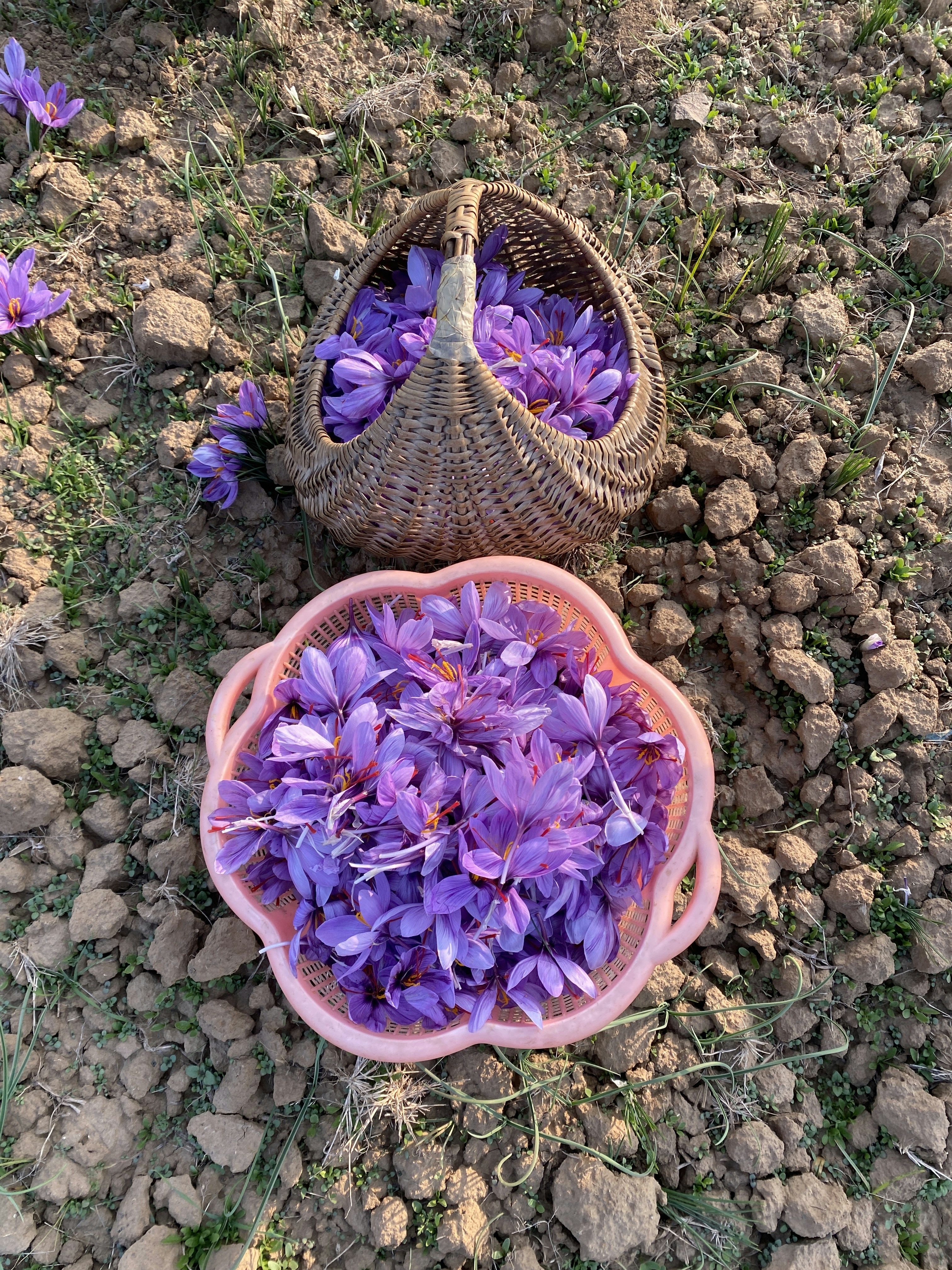
Introduction to Saffron Cultivation in Balochistan
Saffron cultivation has emerged as a promising agricultural venture in Balochistan, posing significant economic opportunities for the region. Renowned for its vibrant color, distinctive aroma, and extensive culinary and medicinal applications, saffron is recognized as the world’s most expensive spice.
The specific climatic and geographical conditions of Balochistan provide a unique environment conducive to the successful growth of saffron, further enhancing its significance in local agriculture.
https://www.facebook.com/reel/1782380615806341
Balochistan’s climate presents a blend of suitable factors for saffron farming, including its distinct seasonal variations, well-drained soil, and an elevation that allows optimal growth conditions. These elements contribute to the development of high-quality saffron, which can potentially compete in the international market due to its sought-after attributes. The rise in interest regarding saffron cultivation can also be attributed to changing agricultural practices and economic incentives aimed at promoting diverse and sustainable farming.
The cultivation of saffron in Balochistan is not only limited to its economic benefits; it also plays a vital role in enhancing rural livelihoods. As Baloch farmers adopt saffron farming, they are discovering a lucrative alternative to traditional crops, which often provide lower financial returns. The cultivation process itself requires limited water resources, making it particularly appealing in regions where water scarcity is a significant concern.
Furthermore, the educational efforts by researchers, notably Dr. Shakeel’s initiatives, are paving the way for effective cultivation practices tailored for saffron. This ongoing research aims to refine techniques and bolster the yield, ultimately establishing Balochistan as a notable saffron-producing region. As the spotlight on saffron cultivation in Balochistan intensifies, the region stands at a pivotal moment that could transform its agricultural landscape, allowing local farmers to harness the full potential of saffron production.
Dr. Shakeel’s Research Focus
Dr. Shakeel has established a significant research trajectory aimed at enhancing saffron cultivation in Quetta, Balochistan. His investigations center on several pivotal factors that influence saffron production, notably soil health and climate impact. By examining the interactions between various soil types and saffron growth, Dr. Shakeel is committed to understanding the vital nutrients that promote optimal yield. His work emphasizes sustainable practices that can be adopted by local farmers, improving both the quality and quantity of saffron produced in the region.
One of the key aspects of Dr. Shakeel’s research is assessing soil health parameters that are crucial for saffron cultivation. This involves meticulous analysis of soil composition, pH levels, and organic matter content. Through his experiments, he has identified soil amendments and management practices that enhance soil fertility, which can directly influence saffron bulb development and flowering. This research not only aids local farmers in maximizing their output but also ensures that cultivation practices align with ecological sustainability.
Furthermore, Dr. Shakeel has delved into the implications of climate on saffron farming. His studies focus on understanding how temperature variations and rainfall patterns affect the growth cycle of saffron plants. By analyzing historical climate data alongside saffron yield metrics, he has been able to provide insights that enable farmers to adjust their planting schedules and cultivation techniques in response to climatic changes. This proactive approach helps mitigate risks associated with climate variability, ensuring that Balochistan’s saffron growers remain resilient in the face of environmental challenges.
In summary, Dr. Shakeel’s comprehensive approach to saffron research not only sheds light on the scientific aspects of soil and climate but also reinforces the integral relationship between these factors and successful saffron farming in Quetta. His findings serve as an invaluable resource for local agricultural practices, striving for sustainability and productivity in this precious crop.
The Climate of Balochistan and Its Suitability for Saffron
Balochistan, known for its unique geographical features, possesses a diverse climate that plays a critical role in agricultural practices, particularly in saffron cultivation. The region is characterized by varying altitudes, which significantly influence temperature and rainfall patterns, creating an environment conducive to the growth of this valuable spice. Saffron, derived from the Crocus sativus flower, thrives in areas that experience specific climatic conditions, making Balochistan a potentially ideal location for its production.
The climate in Balochistan can vary markedly between its regions, with some areas experiencing arid conditions while others enjoy a more temperate environment. The average temperature during the saffron flowering season, which typically occurs between October and November, ranges between 15°C to 30°C. This temperature range is essential for the development of the saffron flower bulbs and ultimately influences the quality and yield of the saffron produced. Furthermore, the region’s dry climate reduces the incidence of fungal diseases that often plague crops in more humid environments.
Rainfall in Balochistan is relatively low and sporadic, with most precipitation occurring in the winter months. This minimal rainfall is beneficial for saffron cultivation as the plant prefers well-drained soil and does not tolerate waterlogging. As such, farmers often utilize traditional irrigation methods, effectively managing water resources to align with the natural rainfall patterns. Historically, the cultivation of saffron in Balochistan has been influenced by these climatic conditions, with local farmers adapting their practices to ensure successful harvests. This rich agricultural heritage continues to inform current saffron cultivation efforts in the region.
Water Efficiency in Saffron Farming
Balochistan has long faced challenges related to water scarcity, which is a significant hurdle for agricultural practices, including saffron farming. Dr. Shakeel has recognized this critical issue and has dedicated his research efforts to promoting innovative irrigation techniques that are pivotal in enhancing water efficiency in saffron cultivation. His approach integrates modern agricultural practices with traditional methods, aiming to create a sustainable cultivation framework that utilizes limited water resources effectively.
One of the key methods that Dr. Shakeel advocates for is the implementation of drip irrigation systems. This technique minimizes water wastage by delivering precise amounts of water directly to the roots of the saffron plants. By using drip irrigation, not only is the water conserved, but the plants also receive an optimal amount of moisture, which is essential for their growth in the region’s semi-arid climate. Furthermore, this method significantly reduces the energy costs associated with water transport and application.
In addition to drip irrigation, Dr. Shakeel emphasizes the importance of mulching and soil moisture retention practices. These techniques help maintain soil temperature and reduce evaporation rates, further contributing to efficient water usage. The implementation of covered cultivation systems has also gained traction, as they protect saffron crops from direct sunlight while retaining moisture, thus creating an ideal microclimate for the saffron bulbs. Such sustainable practices not only enhance water management but also improve the overall yield and quality of saffron.
Overall, addressing water efficiency is crucial in the context of climate change and its associated impacts on agriculture. Through cooperation with local farmers and the dissemination of research findings, Dr. Shakeel’s work continues to pave the way for successful saffron cultivation in Balochistan, ensuring that farmers can adapt to evolving environmental challenges while promoting sustainable agricultural practices.
Community Involvement in Saffron Cultivation
In the context of Quetta, local communities are witnessing a significant transformation through their engagement in saffron cultivation initiatives, spearheaded by Dr. Shakeel. Recognizing the potential of saffron as a high-value crop, these efforts are designed not only to elevate agricultural practices but also to empower farmers economically and socially.
Dr. Shakeel’s projects aim to integrate traditional farming methods with modern agricultural techniques, thereby enhancing the overall productivity and quality of saffron produced in the region. By involving local farmers directly in the cultivation process, these initiatives foster a sense of ownership and contribute to the sustainable development of local agricultural practices.
Education plays a pivotal role in this collaboration. Farmers engaged in saffron cultivation are provided with comprehensive training sessions that cover best practices and innovative techniques tailored for saffron farming. This includes topics such as soil management, pest control, and irrigation techniques, which are critical for achieving optimal yields. In addition, community workshops are organized to disseminate information about the economic benefits associated with saffron farming, thereby encouraging greater participation among local farmers.
Furthermore, community involvement extends beyond mere practical training; it encompasses the cultivation of social networks among farmers. Dr. Shakeel encourages the formation of collective groups that allow farmers to share experiences and resources, thus promoting a cooperative approach to saffron production. This collaborative spirit not only enhances the learning experience but also fosters resilience against economic fluctuations.
In conclusion, the community involvement strategies implemented by Dr. Shakeel in Quetta are shaping a promising future for saffron cultivation in Balochistan, empowering farmers and uplifting the local economy through informed agricultural practices.
Challenges in Saffron Farming in Balochistan
Balochistan presents a unique and complex environment for saffron farmers, wherein multiple challenges hinder the successful cultivation of this precious spice. Among the primary obstacles faced in saffron farming are climate-related issues. The region experiences extreme weather conditions, comprising scorching summers and harsh winters, which can adversely affect saffron bulb growth and flowering. The delicate plant requires a specific range of temperatures and adequate rainfall, making it vital for farmers to adapt to the shifting climatic patterns.
Additionally, pest management poses a significant challenge in saffron cultivation. Various pests, including rodents and insects, can damage the bulbs and flowers, consequently reducing yield and quality. The lack of effective pest control measures can lead to deteriorating crop health, making it crucial for farmers to seek resilient farming practices. Many local farmers remain unaware of integrated pest management strategies, which could otherwise buffer their saffron crops from pest-related devastation.
Another significant hurdle is market accessibility. Farmers in Balochistan often struggle to connect with broader markets due to insufficient infrastructure and limited access to transportation. This disconnect prevents them from attaining fair prices for their saffron and competitively engaging with larger agricultural networks. The reliance on middlemen often results in reduced income for the farmers, further inhibiting the growth of saffron farming in the region.
Dr. Shakeel’s research plays a pivotal role in addressing these challenges. As an expert in saffron cultivation, he is actively developing strategies that not only enhance market access but also educate farmers on best practices for climate adaptation and pest management. By fostering sustainable practices and increasing awareness, Dr. Shakeel aims to empower saffron farmers in Balochistan, ultimately fortifying the region’s position in the saffron industry.
Economic Impact of Saffron Cultivation on Local Communities
In recent years, saffron cultivation has gained prominence as a viable agricultural practice in Quetta, Balochistan. The introduction of this lucrative crop presents numerous economic benefits for local communities, particularly for farmers who are looking to diversify their income sources. Research indicates that saffron can yield significantly higher returns compared to traditional crops, thereby enhancing the financial stability of farming households.
One of the most notable economic impacts of saffron cultivation is the potential for job creation. As local farmers transition to saffron, the demand for labor increases during planting and harvest seasons. This surge in employment opportunities not only provides additional income for families but also stimulates surrounding businesses such as local markets and supply stores, thereby amplifying the economic activity within the community.
Furthermore, saffron has often been referred to as ‘red gold’, indicating its high market value. The income generated from saffron sales has shown to uplift the socio-economic conditions of farmers, enabling them to invest in better farming practices, education, and healthcare. Projections suggest that with a well-structured support system, including training and access to markets, saffron farming could uplift many families out of poverty.
Moreover, the cultivation of saffron can improve food security within the region as farmers can grow other crops alongside saffron in a more diversified agricultural system. This diversification mitigates risks associated with relying on a single crop and can lead to more reliable income streams for local farmers.
Overall, the economic impact of saffron cultivation is profound, with transformative potential for local communities in Quetta. It is imperative that stakeholders, including government agencies and agricultural institutions, collaborate strategically to harness the opportunities that saffron farming presents, paving the way for sustainable economic growth in Balochistan.
Future Prospects of Saffron Research in Balochistan
The future of saffron research in Balochistan is poised for significant advancement, thanks in large part to the visionary work of Dr. Shakeel. His comprehensive approach not only emphasizes the cultivation of saffron but also highlights the importance of fostering collaborations that can enhance research and development in this sector. One of the key elements of future progress will be the establishment of partnerships between local farmers, research institutions, and universities. Such collaborative efforts will facilitate the sharing of knowledge and resources, ultimately leading to improved cultivation techniques tailored to Balochistan’s unique environmental conditions.
Advancements in agricultural technology also play a crucial role in the future landscape of saffron cultivation. The integration of precision farming techniques, which utilize data and technology for improved crop management, is particularly promising. These innovations can significantly enhance the efficiency of saffron production while ensuring the sustainable use of Balochistan’s natural resources. Moreover, the use of genetically improved saffron bulbs could lead to higher yields and better quality flowers, positioning Balochistan as a competitive player in the global saffron market.
Government support will be indispensable in nurturing a saffron-based economy in the region. Policies that provide financial assistance, infrastructure development, and training programs for farmers can create an enabling environment for saffron cultivation to thrive. By investing in research initiatives and establishing a framework for quality control and marketing, the government can stimulate interest and commitment to the saffron industry among local communities.
Overall, the future prospects for saffron research in Balochistan are bright, backed by Dr. Shakeel’s innovative ideas and a collaborative spirit. Through strategic partnerships and technological advancements, coupled with robust governmental support, Balochistan could emerge as a leading saffron-producing region, making significant contributions to both local economy and global saffron supply.
Conclusion: The Path Forward for Saffron in Quetta
The insights gained from Dr. Shakeel’s research present a promising outlook for saffron cultivation in Quetta and the broader region of Balochistan. As a crop that not only thrives in the climatic conditions of the area but also holds significant economic potential, saffron can become a vital component in enhancing agricultural practices in this part of Pakistan. Dr. Shakeel’s work highlights the importance of adopting advanced cultivation techniques, which can ultimately lead to increased yields and better-quality saffron.
Supporting the development of saffron farming practices opens numerous opportunities for local farmers and the economy. Saffron, known globally for its distinct flavor and medicinal properties, serves as an attractive and profitable alternative to traditional crops dominated in the region. By investing in saffron cultivation, farmers can diversify their income sources, reduce dependency on less lucrative crops, and increase their resilience against market fluctuations.
Moreover, collaboration among governmental bodies, agricultural experts, and farmers is essential to fully realize the potential of saffron cultivation. Ongoing training and education programs informed by the research conducted by Dr. Shakeel can pave the way forward for sustainable cultivation practices that respect local ecosystems while maximizing economic returns. Additionally, fostering a greater awareness of saffron’s benefits amongst the farming community and potential consumers alike can stimulate interest and support for this emerging agricultural sector.
In conclusion, the implications of Dr. Shakeel’s findings are clear: with concerted efforts, the saffron industry in Quetta and Balochistan has the potential not only to thrive but to transform the agricultural landscape of the region, supporting farmers and boosting the local economy in the process.