
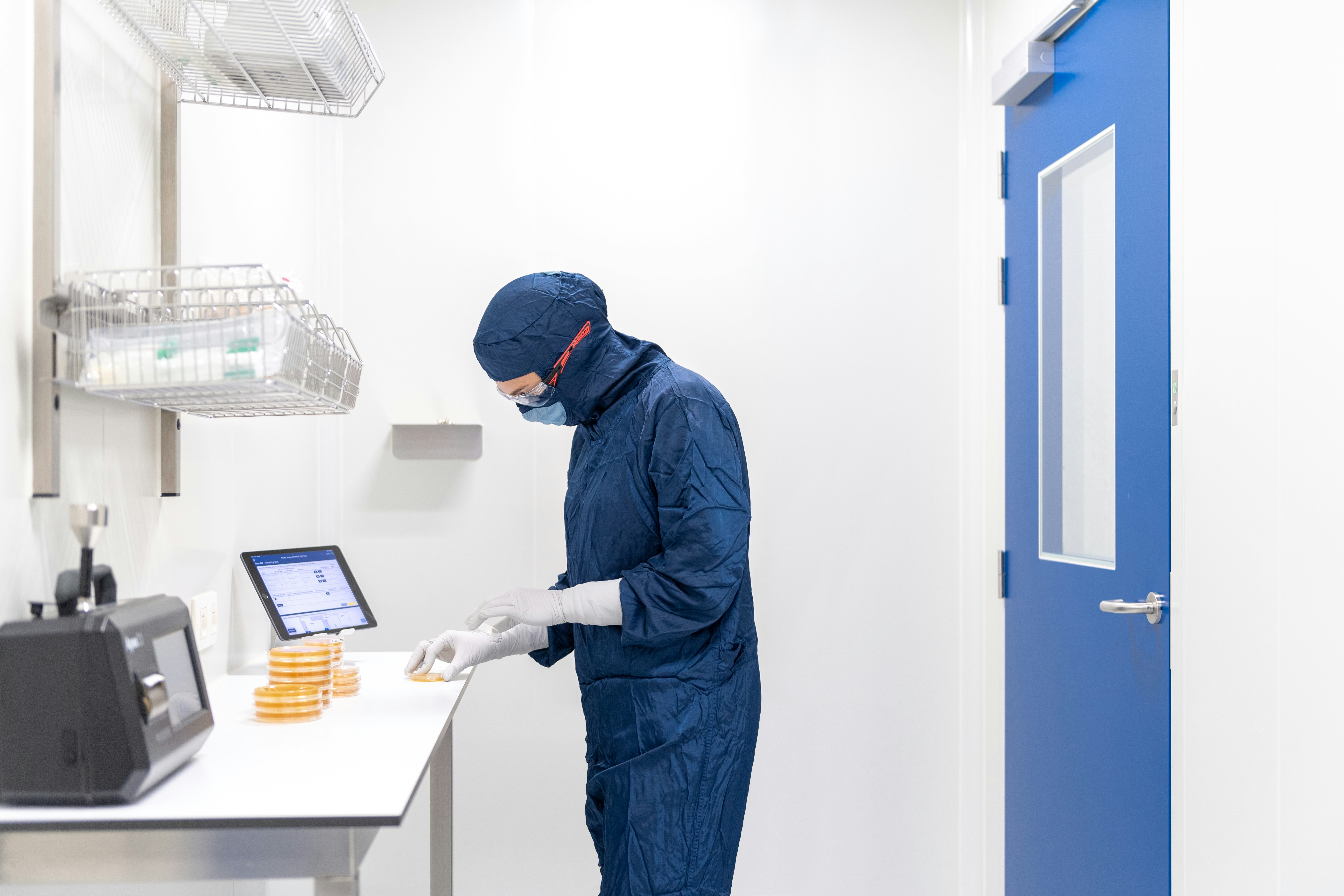
Introduction to Biosafety
Biosafety refers to the principles, practices, and regulations designed to protect laboratory personnel, the surrounding community, and the environment from exposure to potentially harmful biological agents. These agents can include bacteria, viruses, fungi, or any other microorganisms that may pose a risk to human health or the ecological balance. The implementation of biosafety measures is critical in laboratory settings, especially in research institutions and healthcare facilities where handling these agents is routine.
The significance of biosafety cannot be overstated. As scientific research progresses and new biological agents are identified, the potential for unintentional exposure and accidents increases. Ensuring a rigorous biosafety protocol minimizes the risks associated with these biological materials. Effective biosafety management not only safeguards individuals working in laboratories but also protects the general public and the environment from potential outbreaks or exposure.
Various regulations and guidelines govern biosafety practices, including those established by organizations such as the Centers for Disease Control and Prevention (CDC) and the National Institutes of Health (NIH). These regulations categorize biological agents based on their risk levels and dictate specific handling, containment, and disposal procedures. For instance, the CDC’s Biosafety in Microbiological and Biomedical Laboratories (BMBL) document provides essential recommendations for laboratories working with hazardous agents. Compliance with these regulations is not merely a legal obligation but a cornerstone in establishing a culture of safety within laboratory environments.
Ultimately, the primary aim of biosafety is to create a safe working environment while maintaining the integrity of research. By adhering to established guidelines and employing appropriate safety measures, laboratories can significantly mitigate the risks associated with handling hazardous biological materials.
Types of Biological Hazards
Biological hazards, commonly referred to as biohazards, encompass a variety of microorganisms and biological substances that pose potential risks to human health, the environment, or both. In laboratory settings, it is crucial to comprehend the different categories of biological hazards to implement appropriate safety measures and comply with regulatory frameworks.
One of the primary types of biological hazards includes bacteria. These single-celled organisms can be harmless or pathogenic, with notable examples such as Escherichia coli, which can cause food poisoning, and Staphylococcus aureus, known for skin infections. The potential risks associated with bacterial exposure vary, including direct infections or indirect transmission through contaminated surfaces.
Viruses represent another significant category of biological hazards. Small infectious agents, viruses such as the influenza virus or HIV can lead to severe health consequences. Their ability to replicate only inside living host cells makes them especially concerning in laboratory environments, where accidental releases or exposures may lead to rapid transmission.
Fungi also contribute to the landscape of biological hazards. Certain fungi, such as Candida albicans, are opportunistic pathogens that can cause infections in immunocompromised individuals. Moreover, mycotoxins produced by various mold species present risks beyond infection; they can lead to chronic health conditions following prolonged exposure.
Parasites are another dimension of biological hazards, varying from microscopically small organisms to larger ones, like protozoa and helminths. Examples include Giardia lamblia, which can contaminate water supplies, and Ascaris lumbricoides, a parasitic worm that can lead to significant gastrointestinal issues. In laboratory settings, handling samples containing parasites requires stringent protocols to prevent zoonotic transmission.
Lastly, genetically modified organisms (GMOs) are increasingly relevant in biosafety discussions. While GMOs may provide benefits in research and medicine, their environmental impact and long-term effects on ecosystems pose potential hazards. Ensuring the containment and responsible handling of GMOs is integral to laboratory biosafety.
Biosafety Levels Explained
Biosafety levels (BSLs) are a crucial framework for laboratory settings that handle biological agents, aiding in the minimization of risk to laboratory personnel, the environment, and the general public. There are four distinct biosafety levels, each categorized by the degree of risk posed by the pathogens handled within the laboratory and the stringent safety measures required.
BSL-1 is the lowest level of containment, suitable for works involving well-characterized agents that are not known to consistently cause disease in healthy adults. Standard laboratory procedures suffice at this level, which includes safety practices such as handwashing and proper waste disposal. Personal protective equipment (PPE) like lab coats and gloves are recommended but not required.
BSL-2 laboratories handle moderate-risk agents that are associated with human diseases of varying severity. Procedures at this level require enhanced precautions compared to BSL-1, including limited access to laboratories and the use of biological safety cabinets for procedures that may generate aerosols. In addition to gloves and lab coats, face protection is usually advised to prevent exposure during handling.
BSL-3 is designed for laboratories where work is conducted with infectious agents that may be transmitted through the air and can cause serious or lethal diseases. Protocols at this level necessitate the use of more sophisticated containment equipment, including controlled access and sealed labs. Workers are required to wear respirators and have access to specialized facilities such as negative pressure environments to mitigate the potential risks.
BSL-4 represents the highest level of biosafety, reserved for pathogens that pose a significant risk of aerosol transmission and for which there are no available vaccines or treatments. Laboratories at this level incorporate maximum containment measures, including complete isolation from the outside environment. Personnel must wear full-body, air-supplied suits and operate in facilities with elaborate physical barriers and complex air filtration systems.
Essential Biosafety Practices
Biosafety practices are vital in laboratory environments to safeguard both personnel and the surrounding community. One of the primary elements of biosafety is the use of personal protective equipment (PPE). This encompasses items such as lab coats, gloves, goggles, and face shields, which serve as barriers against potentially hazardous materials. Proper usage and selection of PPE are crucial to minimizing exposure risks.
In addition to personal protection, safe handling protocols are equally important. This involves the implementation of specific techniques for managing biological materials and chemicals, which include proper containment, labeling, and disposal procedures. Laboratories must adopt protocols that ensure all biological agents are handled within designated containment facilities, preventing contamination and limiting exposure to pathogenic microorganisms.
Another essential component of biosafety practices is maintaining a clean and organized workspace. A clutter-free environment reduces the likelihood of accidents and contamination. Regular cleaning schedules should be established, including decontamination procedures for surfaces, equipment, and tools. By fostering a culture of cleanliness, laboratory personnel can enhance safety measures and ensure compliance with safety regulations.
Furthermore, there is a significant cultural shift towards a safety-first mindset in laboratory work. This shift reflects an increasing awareness of the importance of biosafety measures. Scientists and technicians are now encouraged to speak up about potential safety concerns and collaborate on developing solutions to enhance safety protocols. This collective responsibility fosters an environment where safety becomes ingrained in the laboratory culture, ultimately leading to improved compliance with biosafety regulations.
Risk Assessment in Biosafety
Risk assessment is a crucial component of biosafety practices in laboratories, playing a significant role in identifying and managing potential biological hazards. This systematic process allows laboratory personnel to evaluate the risks associated with biological materials, ensuring compliance with health and safety regulations while protecting individuals and the environment.
To conduct a thorough risk assessment, the first step is identifying hazards. This involves cataloging all biological agents present in the laboratory and understanding their characteristics, such as pathogenicity, transmission routes, and exposure potential. For instance, microorganisms that can cause disease in humans or animals are prioritized for evaluation. Hazard identification also includes assessing laboratory practices and equipment that could pose risks.
Once hazards have been identified, the next stage is evaluating the risks they pose. This evaluation considers both the likelihood of exposure and the severity of the potential consequences. Various tools and methodologies can be utilized for this purpose, including quantitative and qualitative approaches. Evaluating risks may involve examining past incident reports, consultation with experts, and considering the laboratory’s operational environment. This step is essential for establishing which hazards require immediate attention and which can be managed with existing controls.
Finally, implementing control measures is necessary to minimize exposure to identified biological hazards. Control measures can range from administrative practices, such as training and procedural modifications, to engineering controls such as biological safety cabinets. Personal protective equipment (PPE) also plays a vital role in safeguarding laboratory personnel. Regularly reviewing and updating these controls in response to evolving practices and emerging threats is also critical. In conclusion, a well-structured risk assessment process not only enhances laboratory safety but also fosters a culture of compliance and responsibility among staff, crucial for the effective management of biological hazards.
Regulatory Framework for Biosafety
The regulatory framework for biosafety in laboratories is a complex system designed to govern the safe handling and containment of biological materials. Key bodies, such as the Centers for Disease Control and Prevention (CDC) and the National Institutes of Health (NIH) in the United States, play a pivotal role in establishing guidelines that ensure laboratory compliance and safety. These organizations, along with others, create a robust structure that laboratories must adhere to in order to maintain biological safety standards.
In the United States, the CDC oversees the implementation of the Biosafety in Microbiological and Biomedical Laboratories (BMBL) guidelines. These guidelines outline standardized practices for laboratory operations with potentially dangerous pathogens. Similarly, the NIH works in conjunction with the CDC to ensure that research involving recombinant DNA and other biohazardous materials adheres to strict regulations, thus minimizing the risk of lab-related incidents.
At an international level, organizations such as the World Health Organization (WHO) contribute by establishing global biosafety guidelines and best practices, which harmonize regulations across countries. This international cooperation is vital as it addresses the cross-border nature of research and the spread of infectious diseases. It also facilitates shared understanding and uniformity in biosafety protocols.
Moreover, various national regulations also exist alongside these major bodies, tailored to specific sectors or forms of biological research. Compliance with these multifaceted regulations is crucial not only for the safety of laboratory personnel but also for the protection of public health and the environment. Laboratories must continuously strive to meet these standards, as non-compliance can result in legal repercussions and jeopardize their research integrity. Thus, understanding the regulatory framework is essential for anyone working within the biosafety realm.
Biosafety Training and Education
Biosafety training and education are critical components of laboratory safety and compliance. Laboratory personnel must be equipped with current knowledge and skills to handle biological materials safely. Effective training ensures that all staff members can recognize potential risks, implement proper safety procedures, and adhere to regulatory guidelines. Therefore, continuous education and training should be a standard practice in any biosafety-compliant laboratory.
There are various methods for delivering biosafety training, each serving different learning preferences and contexts. Traditional classroom-based training sessions offer a structured environment where participants can engage with instructors and fellow colleagues. Meanwhile, online education platforms provide flexibility, allowing employees to learn at their own pace and revisit materials as needed. Additionally, hands-on training is invaluable, enabling personnel to practice biosafety procedures in controlled scenarios, ensuring that they can confidently apply their knowledge in real situations.
As science and technology advance, new practices and safety protocols arise, necessitating frequent updating of training content. It is generally recommended that laboratory personnel undergo initial training before beginning their work, followed by refresher courses at least annually or as new guidelines emerge. Furthermore, organizations should stay ahead by introducing further training opportunities when new biosafety regulations are implemented or when new technologies are adopted in the laboratory setting.
Keeping personnel informed about the latest biosafety practices is paramount in maintaining a safe laboratory environment. Regular training sessions not only enhance individual competence but also foster a culture of safety within the team. By prioritizing biosafety education, laboratories can effectively mitigate risks associated with biological materials and ensure the well-being of all personnel involved.
Incident Response and Management
Responding to a biosafety incident requires well-defined procedures to ensure the safety of laboratory personnel and the environment. This begins with the immediate identification and containment of any biological agent involved in the incident, such as exposure or spills of potentially infectious materials. Each laboratory should have a comprehensive incident response plan (IRP) in place, which outlines steps to be taken in case of an unforeseen event.
In the event of an incident, the first priority is to ensure the safety of individuals present. This often involves evacuating affected personnel from the immediate area. The incident response plan should include specific instructions for accessing emergency equipment, including personal protective equipment (PPE) and spill kits, which can mitigate risks. Additionally, personnel should be trained on how to operate emergency showers and eyewash stations effectively, as timely exposure treatments are crucial.
Effective communication is critical during and after a biosafety incident. The incident response plan should designate who is responsible for reporting the incident to supervisory staff and relevant authorities. This includes notifying environmental health and safety (EHS) departments and completing any necessary documentation regarding the incident. Regular drills can enhance preparedness, ensuring all staff members are familiar with their roles and responsibilities.
Following an incident, thorough investigations are essential. This involves assessing the nature and cause of the incident, analyzing safety protocols, and identifying any gaps that allowed the incident to occur. The findings should be documented in a report that will help to refine and improve the existing incident response plan to prevent future occurrences. By emphasizing safety protocols, continuous training, and effective communication during incidents, laboratories can significantly minimize risks associated with biological agents, thereby fostering a safer working environment.
Future Trends in Laboratory Biosafety
The field of laboratory biosafety is continuously evolving, driven by advancements in technology, the increasing complexity of biological research, and the growing interconnectedness of the global scientific community. One significant trend is the integration of advanced technology into biosafety practices. Innovations such as automation, robotics, and artificial intelligence (AI) are being utilized to enhance safety measures within laboratories. These technologies can assist in monitoring environmental conditions, automating routine tasks, and even identifying potential biohazards, thus reducing human error and improving compliance with safety protocols.
Globalization also plays a pivotal role in shaping the future of laboratory biosafety. As scientific collaboration expands across borders, laboratories are increasingly exposed to diverse biological agents, necessitating more robust biosecurity measures. This trend underscores the importance of harmonizing safety standards internationally to address shared risks effectively. Collaborative platforms are emerging, allowing for the exchange of best practices and the development of global biosafety guidelines that adapt to new challenges posed by globalization.
Additionally, the impact of emerging infectious diseases, as seen with the COVID-19 pandemic, has prompted laboratories to rethink their biosafety strategies. There is a growing emphasis on flexibility and adaptability in safety practices, enabling laboratories to respond swiftly to new threats. Surveillance systems are being enhanced, and risk assessments are becoming more comprehensive to accommodate shifting dynamics in biological research and pathogen interactions. Furthermore, training programs are evolving to equip laboratory personnel with the skills necessary to navigate an increasingly complex biosafety landscape.
In summary, the future of laboratory biosafety will be shaped by technological advancements, the impact of globalization, and increased preparedness for emerging biological threats. Laboratories must remain vigilant and adaptive, ensuring that safety protocols evolve in line with contemporary challenges.