
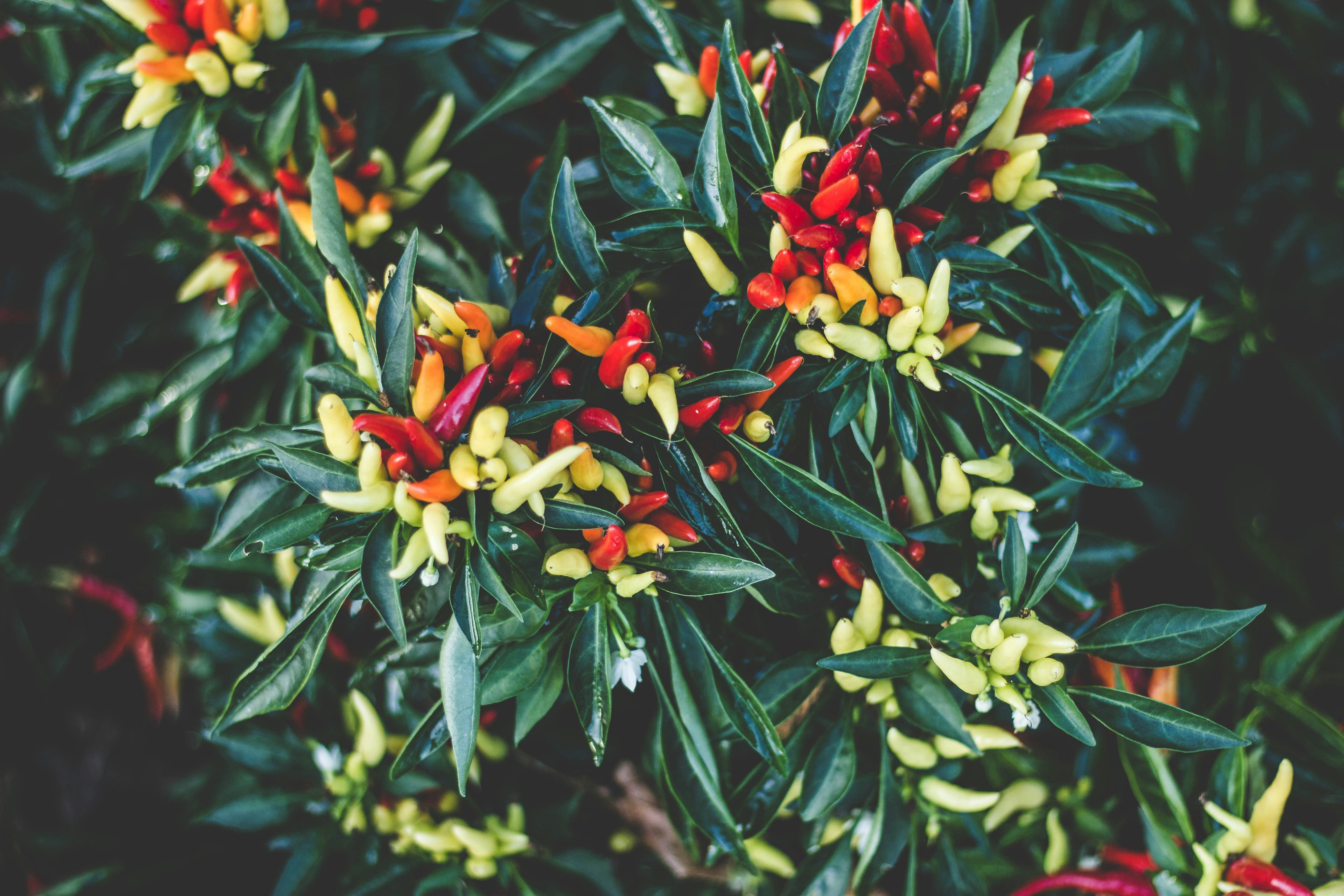
Introduction to Capsicum Annuum
Capsicum Annuum, a prominent member of the Solanaceae family, comprises various pepper varieties, including bell peppers, jalapeños, and cayenne peppers. This species is widely recognized globally for its culinary applications, nutritional value, and agricultural significance. Its ability to thrive in diverse environmental conditions makes it an excellent candidate for various farming practices, particularly in temperate and tropical regions.
The cultivation of Capsicum Annuum holds substantial importance for the agricultural sector in many countries, including Pakistan. Its versatility allows it to be grown in a range of climates and soils, contributing significantly to local and national economies. With a growing demand for both fresh and processed pepper products, Capsicum Annuum is increasingly being recognized as a vital crop that supports food security and generates livelihoods for farmers.
In terms of culinary practices, Capsicum Annuum plays a crucial role in enhancing flavors, providing essential nutrients, and adding color to various dishes. Rich in vitamins A and C, as well as antioxidants, these peppers are not only favored for their taste but are also appreciated for their considerable health benefits. As such, they are an important part of a balanced diet.
Moreover, the economic impact of Capsicum Annuum in Pakistan cannot be overstated. The increasing export of peppers has opened new avenues for farmers, providing them with better market access and higher income opportunities. As a result, Capsicum Annuum stands out as a significant agricultural product that contributes to the diversification of crops and enhances the resilience of the agricultural landscape in Pakistan.
Agronomic Practices for Capsicum Annuum Cultivation
The successful cultivation of Capsicum Annuum in Pakistan hinges significantly on effective agronomic practices. To start, proper site selection is fundamental. Capsicum Annuum thrives in well-drained soils enriched with organic matter. Therefore, farmers should ideally look for locations with full sun exposure and access to adequate irrigation facilities. A soil test is recommended to assess nutrient levels and pH, which should ideally range between 6.0 and 7.0 for optimal growth.
Soil preparation is another crucial phase in Capsicum Annuum cultivation. This process involves tilling and turning the soil to improve aeration and enhance the incorporation of organic matter. Farmers can plow the land and incorporate organic fertilizers such as compost or well-rotted manure prior to planting. These amendments not only provide essential nutrients but also enhance soil texture and fertility, creating a conducive environment for Capsicum growth.
Crop rotation plays a vital role in sustainable Capsicum Annuum production. By rotating Capsicum with legumes or other crops that enhance soil fertility, farmers can mitigate pest and disease incidence, thereby promoting a healthier crop yield. Additionally, integrating different crops helps in maintaining soil health, which is essential for maximizing productivity.
Fertilizer application is another key component of Capsicum Annuum agronomy. Both organic and inorganic fertilizers can be utilized to meet the nutrient demands of the crop. Typically, nitrogen, phosphorus, and potassium are the key nutrients required, and their application must be based on both soil test results and the specific growth stage of the Capsicum plants. It is crucial to follow recommended guidelines to avoid nutrient imbalances that may hinder plant development.
Pest management strategies are imperative for safeguarding Capsicum Annuum from potential threats. Using integrated pest management (IPM) principles, farmers can deploy a mix of biological control, selection of resistant varieties, and judicious use of pesticides. Early monitoring and timely intervention are vital in reducing pest populations and ensuring healthy crop growth.
Lastly, appropriate irrigation techniques tailored to the Pakistani climate must be employed. Capsicum Annuum requires consistent moisture to perform optimally. Therefore, employing drip irrigation or soaker hoses can conserve water while ensuring that moisture reaches the plant roots effectively. This method not only enhances water efficiency but also minimizes disease incidence related to excess moisture on plant foliage.
Propagation Methods of Capsicum Annuum
Capsicum annuum, commonly known as bell pepper or sweet pepper, can be propagated through several methods, with seed propagation being the most traditional and widely utilized technique. Seed propagation involves sowing seeds directly into the soil or seed trays. This method is advantageous as it allows for extensive genetic variation, resulting in strong, resilient plants. The seeds can be planted indoors 8 to 10 weeks before the last frost, promoting early growth in a controlled environment.
Transplanting represents another efficient method for Capsicum annuum cultivation. In this approach, seedlings raised in controlled conditions are later moved to the main growing area once they have reached adequate size and health. The primary benefits of transplanting are the reduction of plant stress and improved adaptation to field conditions. However, it comes with the responsibility of careful handling during the transplanting process, as any damage to the young plants can hinder their growth.
Hybrid varieties of Capsicum annuum present an alternative method of propagation. These hybrids are bred for specific traits, such as disease resistance and higher yields. While hybrids can be cultivated through the same methods as traditional varieties, it is essential to note that seeds from hybrid plants may not produce the same results in subsequent generations, requiring growers to purchase new seed stock each planting season.
To ensure optimal growth, propagation practices must be tailored to the specific environment and cultivation objectives. Adequate attention should be given to factors like soil composition, moisture levels, and temperature. Implementing these best practices effectively contributes to healthier plants and an enhanced yield of Capsicum annuum.
Environmental Factors Affecting Capsicum Annuum Production
The successful cultivation of Capsicum annuum, commonly known as bell pepper, in Pakistan is significantly influenced by environmental factors such as temperature, humidity, and light conditions. These elements play a critical role in determining the plant’s health, growth rate, and ultimately, the yield produced. Understanding these factors is essential for farmers and agriculturalists aiming to optimize production.
Temperature is one of the most crucial aspects affecting Capsicum annuum growth. The ideal temperature range for optimal growth is between 21°C to 26°C during the day and not dropping below 15°C at night. Deviations from this temperature range can result in poor fruit set, reduced yield, or even plant mortality. In regions of Pakistan where excessive heat is prevalent, protective measures such as shade nets or greenhouses may be necessary to regulate temperature and prevent stress on the plants.
Humidity also plays a significant role in the production of Capsicum annuum. This plant flourishes in environments with relative humidity levels ranging from 60% to 70%. Low humidity can lead to desiccation, while excessive humidity may create conditions conducive to fungal diseases. Managing humidity levels through controlled irrigation and ventilation systems can mitigate these risks, ensuring optimal growing conditions.
Light conditions further influence the growth and yield potential of Capsicum annuum. Sufficient sunlight is essential for photosynthesis, which drives plant growth. Ideally, Capsicum annuum should receive at least six hours of direct sunlight daily. In many cases, greenhouse farming is adopted by cultivators, allowing them to control light exposure. This method not only adjusts lighting but also optimizes temperature and humidity, thus providing an ideal environment for Capsicum annuum production.
Pest and Disease Management in Capsicum Annuum Production
Pest and disease management is crucial in ensuring the healthy growth and sustainability of Capsicum annuum, particularly in Pakistan, where climatic conditions can foster a variety of agricultural challenges. The most commonly encountered pests include aphids, thrips, whiteflies, and spider mites, all of which can significantly affect yield if not managed effectively. Among diseases, bacterial leaf spot, powdery mildew, and viral infections such as the Cucumber mosaic virus pose severe threats to plant health.
Integrated Pest Management (IPM) strategies are vital for controlling these pests and diseases sustainably. IPM incorporates various management strategies, emphasizing prevention, monitoring, and the use of ecological principles. Crop rotation and selecting resistant varieties are fundamental components of prevention, as they disrupt pest and disease life cycles. Regular monitoring allows for the early detection of pest populations and disease symptoms, enabling timely intervention.
In terms of control methods, both chemical and biological approaches can be employed. For chemical control, the judicious use of pesticides should be considered, ensuring that targeted and approved products are applied at the recommended rates to reduce the risk of resistance development. Biological control agents, including beneficial insects such as ladybugs and predatory wasps, can be employed to manage pest populations naturally.
Preventive measures also play a significant role in maintaining the health of Capsicum annuum plants. These include practicing good sanitation by removing crop residues, ensuring proper irrigation to avoid waterlogging, and maintaining optimal soil health through organic amendments and balanced fertilization. Furthermore, educating farmers about pest and disease identification and management techniques fosters proactive approaches to safeguarding crops.
In conclusion, effective pest and disease management in Capsicum annuum production in Pakistan relies on a blend of integrated pest management strategies, suitable control measures, and preventive practices. By employing these strategies, farmers can enhance the resilience of their crops and maintain sustainable production systems.
Post-Harvest Management of Capsicum Annuum
The post-harvest management of Capsicum Annuum plays a crucial role in determining the quality and market value of the produce. Proper harvesting techniques are essential to minimize damage and ensure the capsicum retains its quality. Harvesting should be performed during the cooler parts of the day, preferably in the early morning or late afternoon, as this reduces stress on the plants and subsequently on the harvested fruits. It is advisable to use sharp tools to cut the capsicums off the plant, ensuring the stems are not damaged, as this can lead to premature spoilage.
Once harvested, Capsicum Annuum requires immediate attention to maintain its freshness. Proper handling practices are vital during the transfer from the field to the packing area. The fruits should be handled gently to avoid bruising, which can lead to increased decay during storage. After harvesting, it is beneficial to sort the capsicum according to size and quality, as this affects the marketability. Damaged or diseased fruits should be separated and removed from the batch to prevent the spread of pathogens.
Storage conditions significantly influence the shelf life of Capsicum Annuum. Ideally, capsicums should be stored in a cool, dry place with adequate ventilation to minimize moisture, which can cause mold growth. The recommended temperature for storage is between 7°C to 10°C, as this range can effectively prolong the freshness. Moreover, transportation should be conducted using refrigerated vehicles whenever possible. The use of appropriate packing materials can also prevent damage during transit. Effective post-harvest management not only reduces waste but also enhances the overall marketability of Capsicum Annuum, thus ensuring better economic returns for producers in Pakistan.
Economic Impact of Capsicum Annuum Production
Capsicum Annuum, commonly known as sweet pepper or bell pepper, has become a significant crop in Pakistan, playing a crucial role in the agricultural economy. The production of Capsicum Annuum has been increasing steadily, driven by rising market demand both locally and internationally. In Pakistan, the favorable climate and diverse agro-ecological zones make it suitable for cultivating various varieties of Capsicum Annuum, thus presenting immense economic potential.
The market demand for Capsicum Annuum is largely influenced by its culinary applications, nutritional benefits, and growing popularity in the health-conscious market segment. This rising demand leads to competitive pricing strategies, allowing farmers to command better prices for their produce. Furthermore, the global trend toward healthy eating is increasing exports of Capsicum Annuum, providing a lucrative avenue for farmers and traders alike. Exports have seen significant growth, particularly in regions like the Middle East and Europe, where the demand for high-quality, fresh vegetables is robust.
Moreover, the cultivation of Capsicum Annuum contributes positively to the livelihoods of farming communities. As a high-value crop, it offers a profitable alternative to traditional crops, thus improving farmers’ income and enabling them to invest in better agricultural practices and technology. This shift not only enhances food security but also stimulates local economies and promotes sustainable development. By creating jobs in various sectors, from farming to transportation and export logistics, Capsicum Annuum production aids in advancing the national economy.
In conclusion, the economic impact of Capsicum Annuum production in Pakistan extends beyond mere agricultural statistics; it encompasses enhanced livelihoods for farmers, significant export opportunities, and an overall contribution to the national economy. The ongoing growth in market demand and pricing strategies indicates a promising future for the cultivation of this valuable crop.
Challenges in Capsicum Annuum Cultivation in Pakistan
Capsicum annuum, commonly known as bell pepper or sweet pepper, is a significant crop in Pakistan, yet its cultivation presents various challenges that growers must address to ensure sustainable production. Among the foremost issues is water scarcity, which poses a severe risk to agricultural practices across the country. With the increasing demand for water in urban areas and the impact of over-extraction of groundwater, farmers often find themselves struggling to meet the irrigation needs of their Capsicum annuum crops. Utilizing efficient irrigation techniques, such as drip irrigation, could help mitigate water-related challenges, allowing for better utilization of available resources.
Climate change also significantly affects Capsicum annuum cultivation. Fluctuations in temperature, irregular rainfall patterns, and the increased frequency of extreme weather events all threaten the stability of crop yields. Growers may experience reduced harvests due to heat stress, pest and disease outbreaks, and soil degradation, all exacerbated by climate-related factors. Adaptation strategies, such as selecting climate-resilient varieties and employing protective measures like mulching or shading, can enhance the resilience of this crop against adverse weather conditions.
Outdated farming practices are another challenge that contributes to the suboptimal production of Capsicum annuum. Many farmers rely on traditional methods that may not be effective in improving yield quality or quantity. Adoption of modern agricultural techniques, including precision farming, integrated pest management, and soil health management, can significantly uplift productivity. Extension services and educational programs are vital for facilitating this transition, enabling farmers to embrace innovative practices that align with contemporary agricultural standards.
Addressing these challenges is crucial not only for improving Capsicum annuum production in Pakistan but also for promoting sustainable agricultural practices that can secure food resources for future generations.
The Future of Capsicum Annuum Production in Pakistan
As the agricultural landscape of Pakistan continues to evolve, the future of Capsicum Annuum production appears promising, supported by a combination of innovative farming techniques, advancements in research, and favorable policy initiatives. With global demand for quality produce on the rise, Pakistan stands to enhance its status as a significant player in the Capsicum market through strategic improvements in production methodologies.
One of the key areas where innovation is expected to take root is in farming technology. Precision agriculture techniques, utilizing data analytics and IoT technologies, will become increasingly mainstream, allowing farmers to optimize resource use and improve yield. By employing smart irrigation systems, integrated pest management, and soil health monitoring, Capsicum growers can achieve higher productivity levels while minimizing their environmental impact.
Research and development are also pivotal in advancing Capsicum Annuum cultivation. Pakistani agricultural institutes and universities are focusing on breeding programs aimed at developing new varieties that are resistant to diseases, pests, and adverse climate conditions, which could lead to higher resilience in yields. Additionally, the collaboration between academic institutions and industry stakeholders will foster innovation, leading to the commercial viability of these new strains.
Moreover, favorable governmental policies aimed at supporting the agricultural sector will further bolster Capsicum Annuum production. Initiatives such as subsidies for modern farming equipment, research grants for crop enhancement projects, and training programs for farmers can significantly uplift the productivity of Capsicum cultivation. Such policies will not only ensure food security but also increase farmers’ incomes, thereby contributing to rural development.
In conclusion, the future of Capsicum Annuum production in Pakistan is characterized by a blend of technological improvements, scientific advancements, and supportive policies that have the potential to make its cultivation more sustainable and profitable. Embracing these developments will reinforce the importance of Capsicum Annuum in the country’s agricultural framework, ultimately securing its role in both local and international markets.