
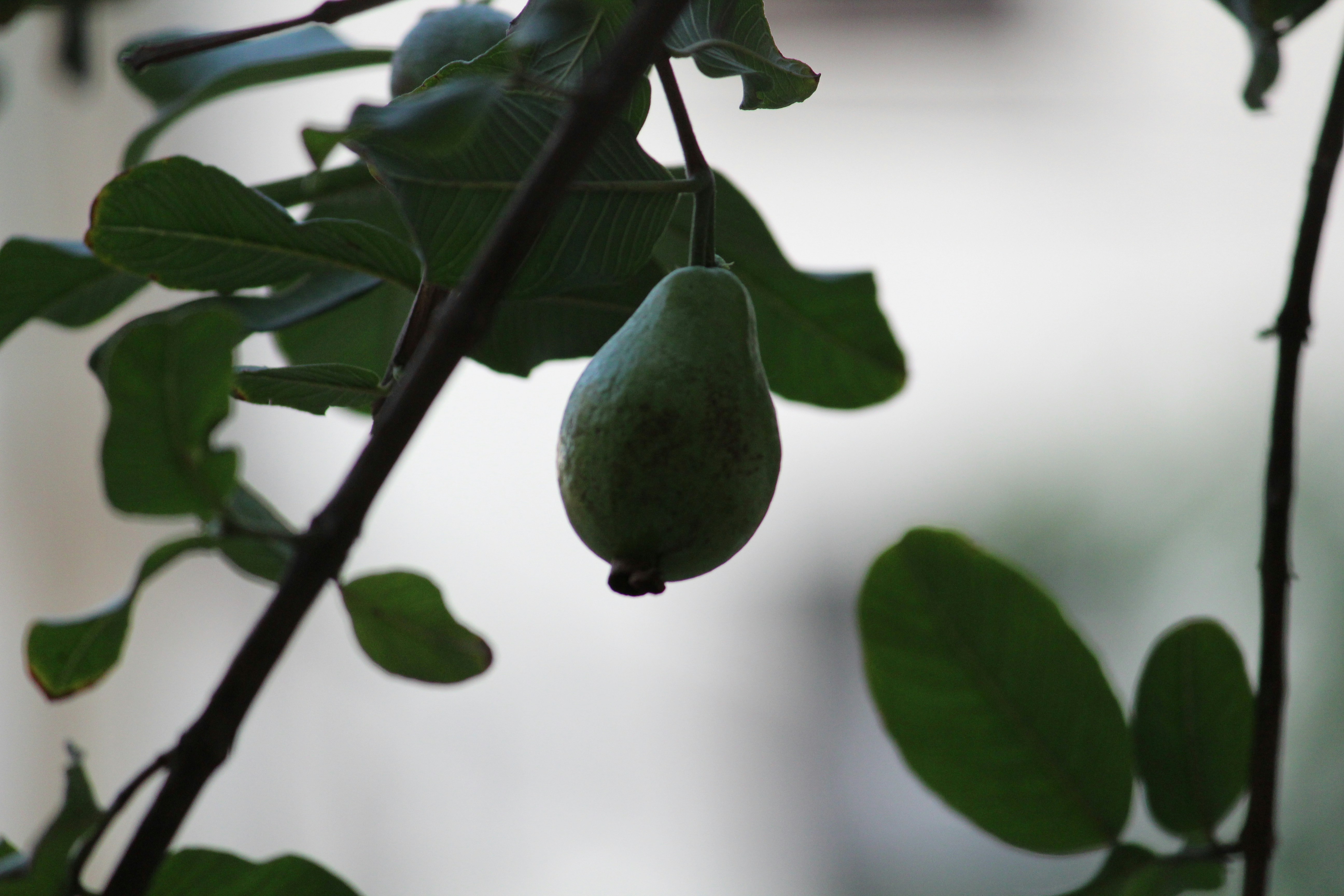
Introduction to Guava Production
Guava, often referred to as the “apple of the tropics,” is a fruit crop of considerable significance. Its unique flavor, versatile uses, and exceptional nutritional profile contribute not only to its popularity but also to its rising demand in domestic and international markets. Guava is rich in essential vitamins, minerals, and antioxidants, making it a valuable addition to a healthy diet.
The fruit is particularly high in vitamin C, which supports immune function and skin health, and it also contains dietary fiber that promotes digestive health. This rich nutritional composition underscores guava’s appeal, sparking interest among both consumers and producers. In addition to its health benefits, guava possesses versatile application in the food industry, ranging from fresh consumption to the production of juices, jams, and desserts.
Furthermore, the global market demand for guava is witnessing a significant expansion due to increased health consciousness and the growing popularity of tropical fruits. As consumers become more informed about the nutritional benefits of guava, the need for efficient production methods becomes imperative—a necessity to meet both local and international market needs.
To satisfy this demand, there is a pressing requirement for innovative technologies that enhance production efficiency and increase yields. Advanced agricultural practices, including precision farming, smart irrigation systems, and artificial intelligence solutions, are increasingly being integrated into guava cultivation. These technologies not only help in optimizing resource utilization but also aid in heightening fruit quality, ultimately leading to better outputs in terms of both quantity and market value.
Current Challenges in Guava Cultivation
Guava cultivation, while lucrative and beneficial in various agricultural landscapes, faces a multitude of challenges that can significantly impact production quality and yield. One pivotal issue is pest infestations, which threaten not only the health of the guava plants but also their overall productivity and quality. Common pests include fruit flies and aphids, which can lead to increased costs for farmers due to the need for pesticides and other control measures.
Another critical concern is climate change, resulting in erratic weather patterns that farmers must navigate. Changes in temperature, humidity, and precipitation can alter the growth cycles of guava trees, ultimately affecting the timing of planting, flowering, and harvesting. For instance, prolonged dry spells can lead to water scarcity, compelling farmers to invest in irrigation systems or adapt their cultivation methods, further stretching their resources.
Soil depletion is yet another issue impairing guava cultivation. Intensive farming practices often lead to nutrient depletion, which can diminish fruit quality and plant resilience. As the soil loses its fertility, producers may face lower yields and increased susceptibility to diseases. Addressing soil health through innovative practices, such as crop rotation or organic amendments, becomes essential for sustaining productive guava orchards.
Water scarcity exacerbates these challenges as well, particularly in regions prone to drought. Limited water availability can hinder proper irrigation and subsequently affect the growth and maturation of guava plants. This scenario may necessitate the implementation of advanced irrigation technologies, such as drip irrigation systems, which offer more efficient water management solutions.
Given these multifaceted challenges in guava production, there is an urgent need for innovative technologies and practices to enhance resilience and sustainability in farming operations. By incorporating scientific advancements and AI-driven solutions, producers can effectively mitigate these critical issues and optimize guava production.
Overview of Traditional Guava Cultivation Techniques
Guava cultivation has been practiced for centuries, particularly in tropical regions where the climate is conducive to its growth. Traditional methods have developed over time, emphasizing the importance of soil preparation, planting techniques, routine maintenance, irrigation, and harvesting practices. These methods form the foundation of guava farming, influencing both yield and quality.
Initial steps in guava farming involve soil preparation, which is crucial for creating a conducive environment for plant growth. Farmers commonly select well-draining soils rich in organic matter. The land is often cleared, and soil tests may be performed to assess nutrient levels, allowing for the appropriate amendments to enhance fertility. Farmers incorporate fertilizers, predominantly organic, to enrich the soil, ensuring that the guava plants have access to essential nutrients throughout their growth cycle.
Planting methods vary based on the region and the specific guava variety. Typically, seedlings are planted during the rainy season to ensure adequate moisture, allowing new plants to establish roots effectively. Spacing between trees is carefully considered based on the expected size at maturity, which helps reduce competition for sunlight and nutrients.
Routine maintenance of guava orchards involves regular pruning to promote healthy growth and ventilation, which helps mitigate disease. Additionally, pest and disease management is performed manually or with conventional pesticides, although there is a growing interest in organic practices. Irrigation practices traditionally rely on rainfall; however, supplemental irrigation may be employed during dry spells to sustain growth and fruit development.
Harvesting techniques in guava cultivation often require skilled hands to ensure the fruits are picked at their peak ripeness. Generally, fruits are harvested by hand, and care is taken to avoid bruising, which can affect marketability. These traditional guava cultivation techniques set the groundwork for exploring how innovative technologies and AI-driven solutions can enhance production and sustainability, ultimately leading to higher yields and better quality fruit.
Machine Learning in Agriculture: A Primer
Machine learning, a subset of artificial intelligence (AI), involves the development of algorithms that allow computers to learn from and make predictions based on data. In agriculture, machine learning plays an increasingly pivotal role, enhancing various aspects of farming operations. By utilizing vast amounts of data generated from multiple sources, including sensors, climate models, and soil biology, machine learning algorithms can help farmers optimize their practices, improve yields, and reduce operational costs.
One fundamental principle of machine learning is its ability to recognize patterns in data. For instance, machine learning can analyze historical crop performance data to identify optimal planting times and predict future yields. By leveraging techniques such as regression analysis, decision trees, and clustering, farmers can make informed decisions tailored to their specific agricultural contexts. This leads to more precise application of resources, whether it be water, fertilizers, or pest control measures.
Applications of machine learning in agriculture are vast and varied. Remote sensing technologies, combined with machine learning models, enable farmers to monitor crop health and detect diseases in their early stages. Additionally, predictive analytics can forecast weather patterns, allowing farmers to adapt their planting schedules accordingly. Moreover, machine learning aids in supply chain management by anticipating demand, thus optimizing distribution routes and minimizing waste.
The integration of machine learning in agriculture not only streamlines farming practices but also empowers farmers to make data-driven decisions. This transformative approach enhances sustainability by maximizing resource efficiency while minimizing environmental impact. As agricultural demands grow, the implementation of machine learning technologies continues to evolve, promising a future where farm productivity can meet the challenges posed by climate change and population growth.
Innovative Machine Learning Applications for Guava Production
Machine learning has emerged as a pivotal technology in agriculture, significantly contributing to the optimization of guava production. The particularity of guava cultivation, characterized by its sensitivity to climatic variations and disease pressures, necessitates innovative approaches, hereby bolstered by machine learning applications.
One of the most significant advancements in this area is the development of yield prediction models. These models leverage historical data on guava yield, climatic conditions, and other agronomic factors to forecast future production levels. By employing algorithms that can analyze and interpret complex data sets, farmers can receive accurate predictions that facilitate better planning and resource allocation. For instance, using time-series forecasting and regression analysis, machine learning models can help in determining the optimal harvesting periods, thereby maximizing yield outcomes.
Additionally, the advent of disease detection algorithms has revolutionized the way farmers manage plant health. These algorithms utilize image recognition techniques and artificial intelligence to detect early signs of diseases affecting guava plants. By analyzing images captured through drones or smartphones, machine learning tools can identify abnormalities in plant growth or leaf discoloration, allowing for timely interventions. This proactive approach minimizes reliance on pesticides and helps maintain sustainable farming practices.
Furthermore, precision farming techniques, facilitated by machine learning, enable farmers to monitor guava orchards with unprecedented accuracy. Soil moisture sensors and weather data integration assist in making data-driven decisions for irrigation and nutrient management. Utilizing this technology not only enhances efficiency but also supports sustainable resource management, critical for increasing guava production without compromising the environment.
In conclusion, innovative machine learning applications are proving to be instrumental in streamlining guava production processes through improved yield predictions, early disease detection, and precision farming techniques. The integration of these technologies into agricultural practices paves the way for increased productivity and sustainability in guava farming.
Integrating Sensor Technologies with Machine Learning
The integration of sensor technologies with machine learning represents a transformative approach to optimizing guava production. As guava farming becomes increasingly data-driven, the role of advanced sensors has gained prominence. For instance, soil moisture sensors are instrumental in providing real-time data on soil conditions, which is crucial for regulating irrigation practices. By measuring moisture levels accurately, these sensors help farmers to apply water more efficiently, thereby reducing wastage and ensuring that the guava trees receive adequate hydration.
Moreover, climate monitoring devices contribute invaluable insights regarding temperature, humidity, and other environmental variables affecting guava cultivation. By collecting and analyzing this data, farmers can better understand favorable growing conditions and anticipate adverse weather. The seamless integration of these sensors with machine learning algorithms facilitates the analysis of vast amounts of data, enabling predictive modeling that can lead to enhanced decision-making.
Machine learning algorithms can detect patterns and correlations within the data gathered from sensor technologies, allowing for customized farming strategies. For example, if a specific area of a guava orchard is consistently identified as having insufficient nutrient levels, farmers can adjust their fertilization practices accordingly. Additionally, these algorithms can predict fruit yield based on historical data, which assists in planning for crop management and marketing.
Combining sensor technologies with machine learning not only enhances the efficiency of fertilizers and irrigation systems but also contributes to sustainable practices in guava cultivation. This multi-faceted approach can significantly impact overall yield, as farmers become equipped with the knowledge to make informed decisions based on precise and actionable insights derived from data.
Case Studies: Success Stories in Guava Cultivation Using Technology
Recent advancements in agricultural technology have paved the way for enhanced guava production, with numerous successful implementations already noted in the industry. One notable case study involves a large-scale guava farm in India that adopted machine learning algorithms to monitor and analyze crop health. By utilizing a combination of drone imagery and predictive analytics, the farm was able to identify areas requiring immediate intervention, ultimately leading to a 30% increase in yield over the course of a single harvest cycle.
Another success story comes from a smallholder farmer cooperative located in Brazil. This group introduced Internet of Things (IoT) sensors to continuously monitor soil moisture and temperature levels. By receiving real-time data, farmers could optimize irrigation practices, minimizing water waste while maximizing crop growth. Following this implementation, the cooperative saw a marked improvement in efficiency, translating to a doubling of the guava production within two years.
Furthermore, a guava producer in Thailand has integrated AI-powered predictive solutions to forecast pest outbreaks. Utilizing historical data and current environmental conditions, the AI system alerts farmers about impending pest threats before they escalate. This proactive approach to pest management not only mitigates losses but also reduces the need for pesticide application, thereby supporting sustainable farming practices. As a result, the farm reported a 40% reduction in crop damage and a 25% enhancement in overall fruit quality.
These case studies exemplify the diverse ways in which technology has impacted guava cultivation. As more producers recognize the potential of such innovations, the ripple effect can lead to more sustainable agricultural practices and improved food security worldwide. The integration of advanced technologies reflects a significant shift in the agricultural landscape, particularly within the guava sector.
Challenges and Limitations of Implementing Technology in Guava Farming
Implementing technology in guava farming, particularly through machine learning and other innovative solutions, presents a myriad of challenges. One major barrier is the high initial cost associated with these technologies. Farmers often require substantial financial investment to purchase and integrate advanced equipment or software systems. Smaller farms, which represent a significant portion of guava production, may struggle to allocate the necessary funds, limiting their ability to adopt these technologies.
In addition to financial constraints, there is a critical need for training and skill development among farmers. Many traditional guava growers may not possess the technical expertise required to effectively utilize advanced technologies. This knowledge gap can discourage the adoption of machine learning solutions, as farmers may feel overwhelmed or uncertain about their ability to operate new systems. Educational programs and workshops are essential to equip farmers with the necessary skills; however, the implementation and access to such training can be inconsistent and insufficient.
Resistance to change is another significant obstacle that affects the integration of technology in guava farming. Many traditional farmers rely on age-old practices that have been passed down through generations. The reluctance to abandon these familiar methods can hinder the acceptance of innovative technologies. Overcoming this resistance requires not only showcasing the tangible benefits of adopting new practices but also cultivating a culture of innovation within farming communities. It’s crucial to facilitate dialogue and support among peer farmers, as positive testimonials from early adopters can significantly influence the broader adoption of technology.
Future Trends in Guava Production Technology
The future of guava production technology is poised for significant advancements, driven by a combination of artificial intelligence, biotechnology, and sustainable agriculture practices. These innovative technologies are likely to revolutionize how guava is cultivated, harvested, and processed, ultimately enhancing productivity and sustainability in the guava farming sector.
One of the most promising developments is the integration of artificial intelligence (AI) into guava farming. AI-powered systems can analyze vast amounts of data, including climatic conditions, soil health, and pest dynamics. By utilizing machine learning algorithms, farmers can receive real-time insights and predictions that help them make informed decisions about planting schedules, irrigation needs, and pest control measures. This level of precision not only boosts yields but also minimizes wastage and resource consumption, making guava production more efficient.
In parallel, advancements in biotechnology are paving the way for the development of high-yield and disease-resistant guava varieties. Genetic engineering and CRISPR technologies enable researchers to modify plant genetics, resulting in cultivars that can withstand adverse environmental conditions and have enhanced nutritional profiles. These biotechnological innovations are crucial for meeting the growing global demand for guavas, as they promise to enhance both yield and fruit quality.
Sustainable practices are also gaining traction in guava production. Farmers are increasingly adopting techniques such as agroforestry, organic farming, and permaculture, which not only improve soil health but also promote biodiversity. These methods work synergistically with technology, allowing farmers to achieve higher levels of production while simultaneously reducing their environmental footprint.
As these innovative technologies and sustainable practices converge, the future of guava production looks promising. Stakeholders across the agricultural sector should consider embracing these trends to ensure they remain competitive and meet the changing demands of consumers and markets alike.