
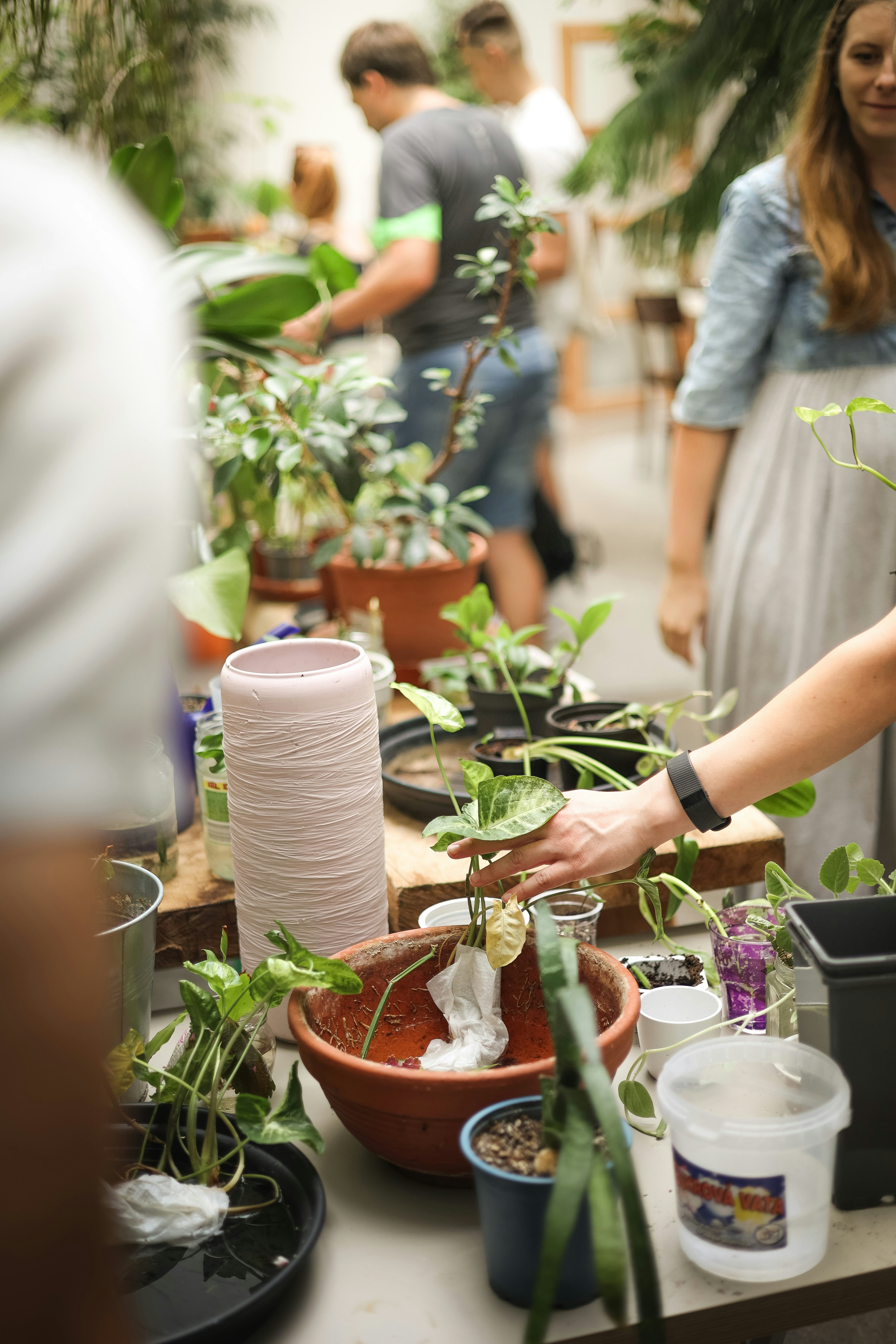
Understanding Critical Thinking in Horticulture
In the ever-evolving field of horticulture, professionals face numerous challenges that demand more than just basic knowledge. Critical thinking in horticulture is essential for navigating complex plant production problems. This skill encompasses observation, analysis, and evaluation, allowing practitioners to approach real-world challenges systematically.
The Importance of Observation and Analysis
Observation is the first step in critical thinking. By closely examining plants and their environments, horticulturists can identify specific issues—be it nutrient deficiencies, pest infestations, or environmental stresses. Following observation, analysis plays a pivotal role, where data collected is evaluated to understand underlying problems and potential solutions. This analytical approach ensures that decisions are grounded in solid evidence.
Enhancing Decision-Making and Innovation
With a strong foundation in critical thinking, horticulturists can innovate effectively despite the various challenges that arise in plant care and production. Making informed decisions based on careful analysis not only improves outcomes but also fosters sustainable practices. As the industry continues to adapt to changes, the ability to think critically becomes increasingly vital for aspiring horticulturalists looking to make a significant impact.