
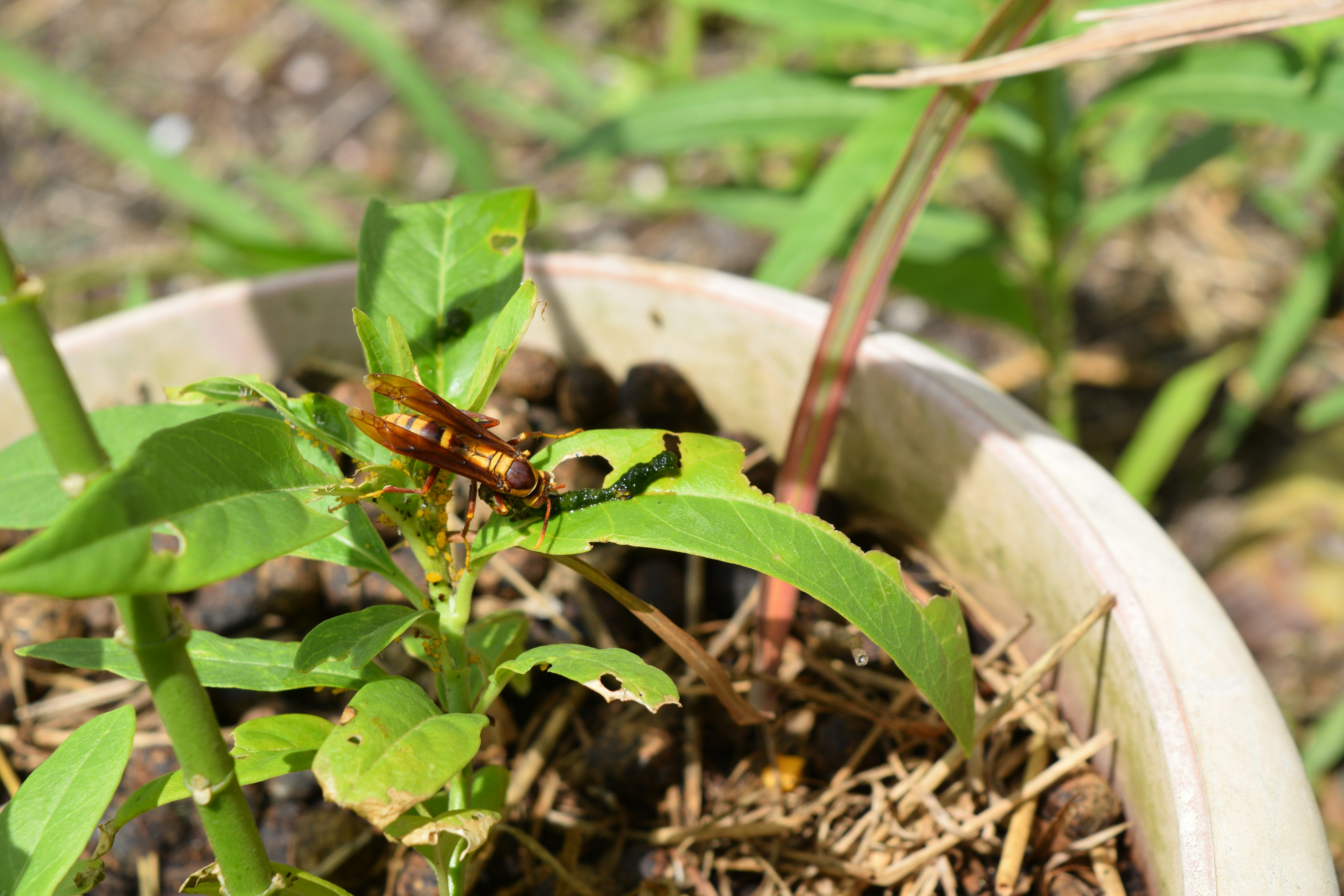
Introduction to Plant Insect Repellence
House plants not only add beauty to our living spaces but also serve as a natural solution to repel insects. Understanding the molecular mechanisms behind this ability can help us appreciate the science that enables these plants to thrive in our homes while keeping unwanted pests at bay.
How Do Plants Repel Insects?
Plants utilize various chemical compounds to defend themselves against insect predators. These compounds, often referred to as secondary metabolites, include essential oils, alkaloids, and terpenoids. For instance, plants like mint and basil produce strong scents that deter pests such as aphids and flies. The presence of these compounds not only hinders the insects’ ability to feed but can also disrupt their chemical signaling pathways, making it difficult for them to find their food sources.
The Role of Volatile Organic Compounds
Volatile organic compounds (VOCs) play a crucial role in the insect-repelling capabilities of house plants. These compounds are released into the air and can alter the behavior of insects, making them less likely to approach the plant. Studies indicate that certain VOCs not only repel insects but can also attract natural predators, creating a balanced ecosystem within our indoor gardens. By incorporating plants known for their insect-repelling properties, such as citronella or rosemary, we can effectively manage pest populations without chemical interventions.
Conclusion: Embrace Nature’s Pesticides
By understanding the molecular mechanisms of house plants that repel insects, we can utilize their natural defense systems to maintain a pest-free home environment. Not only does this method promote sustainability, but it also respects the balance of nature, allowing us to enjoy the beauty of our plants without the downsides of harmful pesticides.