
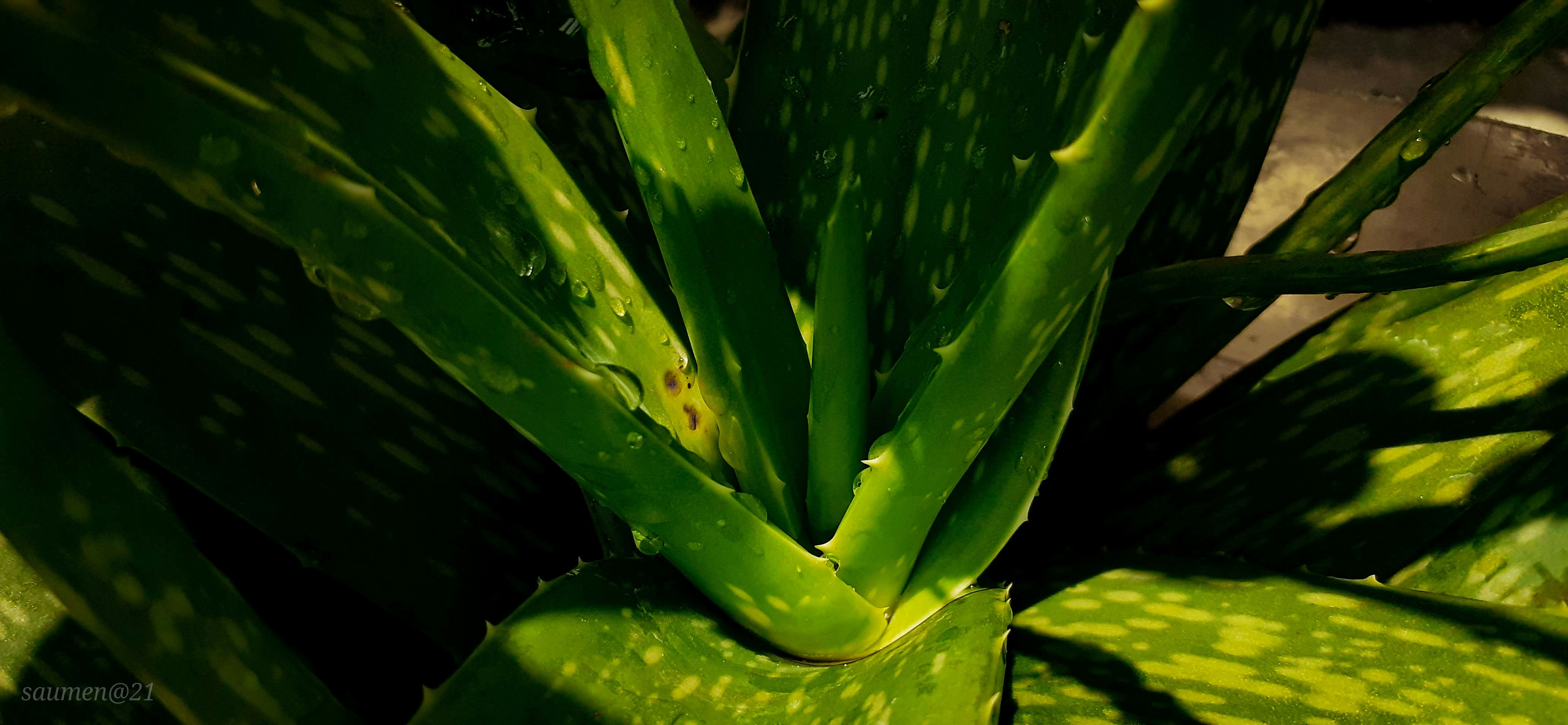
Understanding Aloe Vera: A Biotech Marvel
Aloe Vera, a perennial succulent that has been used for centuries, is often hailed as a biotechnology marvel due to its unique biological and chemical properties. Renowned for its remarkable ability to thrive in arid environments, this resilient plant has not only captured the attention of herbalists and natural remedy enthusiasts but has increasingly gained recognition in the field of biotechnology.
Historically, Aloe Vera has been utilized for its healing properties, especially in soothing skin irritations, burns, and as a natural moisturizer.
Exploring the Green Gold: Aloe Vera in Food Industries
At the core of Aloe Vera’s healing properties are its diverse phytochemicals. This plant is rich in vitamins such as A, C, and E, as well as several B vitamins, which contribute to numerous health benefits. Additionally, it contains a variety of enzymes, including amylase and lipase, which aid in digestion and metabolize fats and sugars. The presence of minerals such as calcium, magnesium, and zinc provides essential nutrients that promote overall health.
One of the most noteworthy components of Aloe Vera is its gel-like substance, which consists of water and various compounds that offer hydrating and cooling effects. This gel has been found to have antibacterial, antiviral, and antifungal properties, making it a staple in alternative medicine practices. Furthermore, Aloe Vera plays a critical role in enhancing indoor air quality. The plant has demonstrated the ability to absorb carbon dioxide and release oxygen, contributing to a fresher and more conducive living environment.
In recent years, scientific studies have begun to uncover the extensive benefits of Aloe Vera in the context of biotechnology. The ongoing research explores its use in developing natural air-purifying agents and functional foods that can enhance human health and well-being. As we continue to harness the power of biotechnology, Aloe Vera remains a focal point of exploration for its incredible medicinal and air-quality improvement properties.
The Science of Indoor Climate Improvement
Indoor climate is a critical aspect of maintaining a healthy living environment. It encompasses factors such as temperature, humidity, and air quality, all of which can significantly influence our well-being. One effective method to enhance indoor climate is through the incorporation of living plants, particularly aloe vera. This plant not only adds aesthetic value to a space but also plays a pivotal role in climate control.
One of the primary mechanisms through which aloe vera contributes to improved indoor climate is its ability to regulate humidity levels. This succulent species naturally releases moisture into the air through a process called transpiration. As the plant absorbs water through its roots and subsequently transports it to its leaves, it evaporates into the surrounding environment. This humble process can lead to a measurable increase in humidity, which is particularly beneficial in dry indoor settings.
Furthermore, aloe vera has demonstrated an impressive capacity for air purification. It works by absorbing various toxins, including formaldehyde, benzene, and carbon dioxide. These pollutants commonly infiltrate indoor spaces, often resulting from household materials and furnishings. The ability of aloe vera to absorb these harmful substances plays an essential role in improving air quality. Coupled with its oxygen-releasing capabilities during photosynthesis, the presence of aloe vera not only removes toxins but also enhances the overall air quality.
In conclusion, by understanding the scientific principles behind indoor climate control and the role that plants, especially aloe vera, can play, individuals can create a healthier and more comfortable living atmosphere. Integrating these living organisms into interior spaces offers a natural solution to common environmental issues faced in indoor settings.
Molecular Biology of Aloe Vera: Enhancing Home Climate
Aloe vera, a well-known succulent, possesses remarkable qualities that extend beyond its traditional uses in skincare and healing. At the molecular level, the cellular structures of aloe vera are finely tuned to adapt and thrive in various environmental conditions. The plant’s unique composition includes specialized cells, such as parenchyma, which facilitate the storage of water and nutrients, playing a crucial role in maintaining its physiological functions.
One of the prominent compounds within aloe vera is polysaccharides, particularly acemannan, which have been shown to enhance its biochemical processes. These polysaccharides not only contribute to the plant’s inherent healing properties but also influence its interaction with the surrounding environment. For instance, when aloe vera is placed indoors, its metabolic activities, including photosynthesis and respiration, can positively affect air quality by removing toxins and increasing humidity levels, creating a more comfortable indoor climate.
Recent advancements in biotechnology have opened new avenues for modifying aloe vera to further augment its environmental benefits. Genetic engineering techniques have been employed to create genetically modified strains of aloe vera that possess improved resilience against environmental stressors. These modifications aim to enhance the plant’s capacity for natural air purification and its ability to regulate moisture levels in indoor spaces. Studies indicate that these genetically modified varieties can achieve higher rates of carbon dioxide absorption and oxygen release, significantly improving indoor air quality.
As researchers continue to explore the molecular biology of aloe vera, promising findings suggest that its role in domestic environments goes beyond aesthetics. The integration of biotechnological advancements could lead to the cultivation of aloe vera varieties specifically tailored to thrive indoors, thus amplifying their environmental benefits and enhancing the overall living experience.
Practical Applications and Maintenance of Aloe Vera at Home
Aloe vera is a versatile indoor plant known not only for its ornamental value but also for its ability to enhance indoor air quality. Incorporating aloe vera into home settings can significantly improve the indoor climate. To cultivate a healthy aloe vera plant, it is essential to provide optimal growing conditions. Aloe vera prefers a well-draining potting mix and a pot with drainage holes to prevent root rot. The plant thrives in bright, indirect sunlight, making south or west-facing windows ideal locations for placement.
When it comes to maintenance, watering is a critical aspect. Aloe vera plants are succulent and require less frequent watering compared to other indoor plants; in general, allowing the soil to dry out completely between watering sessions is recommended. Depending on humidity and temperature, typical watering needs might range from every two to three weeks. Additionally, regular dusting of the leaves will ensure efficient photosynthesis and air purification.
To maximize the air-purifying effects of your aloe vera plants, consider the quantity and placement of the plants throughout various indoor areas. For optimal results, having one aloe vera plant per 100 square feet is advisable. Common spaces, such as the living room, should feature these plants prominently, benefiting from natural light. On the other hand, placing aloe vera in bedrooms can enhance air quality during sleep.
While aloe vera is generally low-maintenance, issues such as pests, overwatering, or insufficient light can arise. If you notice yellowing leaves, this may indicate overwatering, while brown spots might suggest sunburn from excessive direct sunlight. Solutions include adjusting the watering schedule and rearranging the plant to achieve the best light exposure. With proper care and placement, aloe vera can thrive in your home, contributing to improved indoor climate and well-being.