
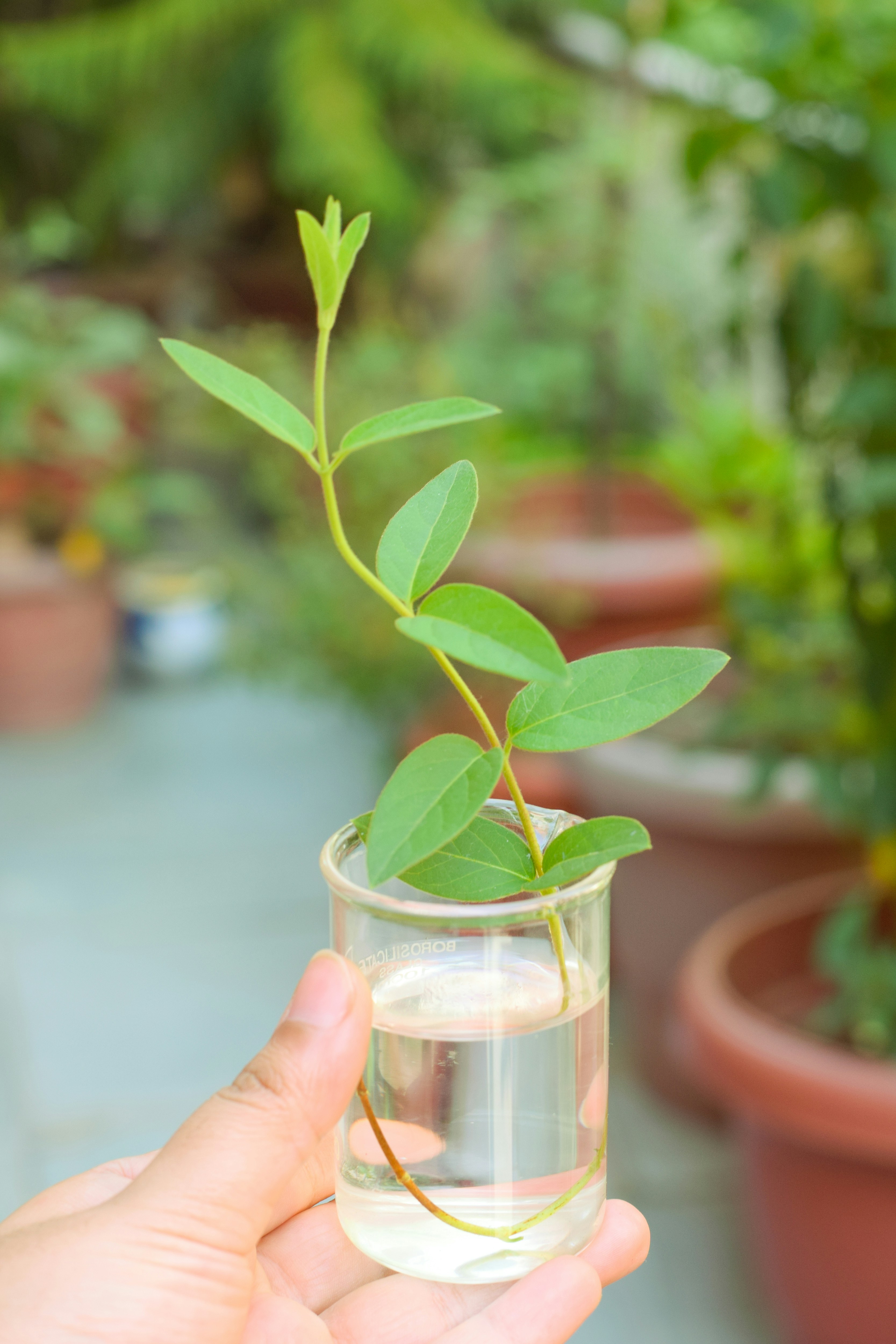
Introduction to Plant Tissue Culture (PTC)
Plant tissue culture (PTC) is a method of propagating plants under sterile conditions, utilizing small plant parts, such as cells, tissues, or organs. This innovative technique has gained significant traction in modern botany and horticulture due to its ability to produce large numbers of plants in a relatively short period. As a controlled process, it allows for the growth of plants without the complexities associated with conventional seed propagation, ultimately addressing various agricultural challenges.
The historical development of plant tissue culture can be traced back to the early 20th century, with significant advancements occurring throughout the decades. Initially, researchers focused on understanding plant cells’ physiology and hormonal interactions, leading to the standardization of nutrient media and growth environments. Today, plant tissue culture comprises various methodologies, including micropropagation, somatic embryogenesis, and callus culture, each suited for specific plant species and objectives.
The significance of this technique lies in its numerous advantages over traditional propagation methods. Firstly, plant tissue culture enables the rapid multiplication of a desired genotype, producing clones that possess the same genetic makeup as the parent plant. This is particularly beneficial for preserving endangered species, enhancing agricultural productivity, and ensuring the consistent quality of commercially important crops. Secondly, the sterilization process eliminates pathogens and pests, resulting in healthier plants that exhibit improved growth rates and higher survival rates during transplantation.
Moreover, plant tissue culture offers the flexibility of producing plants in varied environments, making it an essential tool for addressing the evolving demands of agriculture. This controlled approach has paved the way for more efficient breeding programs and facilitated genetic modification techniques, ultimately contributing to enhanced crop resilience and productivity. The intersection of plant tissue culture with modern biotechnology continues to reshape our understanding of plant propagation, establishing it as a pivotal area of research and application in contemporary agricultural practices.
The Science Behind Tissue Culture
Plant tissue culture is a sophisticated technique that involves the cultivation of plant cells, tissues, or organs under controlled conditions, typically in a sterile environment. Central to this process is the concept of cellular totipotency, which refers to the inherent ability of a single cell to divide and develop into a complete organism. This characteristic allows for the regeneration of entire plants from single cells or small tissue samples, making it a powerful tool in horticulture and agriculture.
At the heart of plant tissue culture techniques are plant hormones, notably auxins and cytokinins, which are pivotal in regulating growth and development. Auxins primarily promote cell elongation, root formation, and are crucial in establishing patterns of growth within cultures. Cytokinins, on the other hand, encourage cell division and are vital for shoot proliferation. The precise balance and concentration of these hormones can significantly influence the differentiation pathways of cultured tissues, leading to the successful establishment of roots, shoots, and other structural components.
Plant tissues from various sources can be employed in tissue culture. The explants, or pieces of plant tissue, can be sourced from meristems, leaves, stems, and even embryos. Each type of tissue provides unique advantages depending on the desired outcomes of the culture. For instance, meristematic tissue is often utilized for its potential in disease-free plant propagation, while leaf and stem tissues can be used to generate multiple clones of a specific plant variety quickly.
The in vitro environment provides a unique opportunity to manipulate growth conditions, enabling researchers and horticulturists to optimize growth factors tailored to specific needs. This controlled setting mitigates the risks posed by pests and diseases and allows for the production of high-quality, uniform plant material. The science underpinning plant tissue culture is continually evolving, and its applications extend from conservation efforts to mass propagation and genetic modification.
Key Techniques in Plant Tissue Culture
Plant tissue culture encompasses a variety of techniques that are pivotal for the growth and propagation of plants in a controlled environment. One of the most widely utilized methods is micropropagation. This technique involves the rapid multiplication of plants by cultivating small tissue samples in a sterile environment, typically on a nutrient-rich medium. The initial step involves selecting a healthy source plant and excising a small piece of tissue, often from the shoot tip or axillary bud. This piece is then placed on a culture medium supplemented with hormones such as auxins and cytokinins, which stimulate cell division and promote shoot development. Over time, several shoots can be produced from a single explant, allowing for mass propagation of the original plant.
Another significant technique within plant tissue culture is callus culture. This method focuses on the formation of callus, an undifferentiated mass of plant cells that can give rise to new plant structures. To initiate callus culture, tissue is again excised from a donor plant and this explant is placed on a medium containing specific growth regulators to encourage the callus formation. The resulting callus can then be further induced to differentiate into roots and shoots by altering the hormonal balance in the culture medium. This technique is particularly useful for breeding plants that are difficult to propagate by traditional means, making it valuable for species conservation and genetic research.
Somatic embryogenesis is yet another advanced technique used in plant tissue culture. This process involves the formation of embryos from somatic or non-reproductive cells. It begins with the selection of a tissue source, typically derived from zygotic embryos, which is then cultured under specific conditions that promote the development of embryonic structures. Following this, the embryos can be germinated into whole plants. This method is particularly noteworthy for its efficiency in producing genetically uniform plants, which is crucial for both agricultural purposes and plant breeding programs. Each of these techniques plays a fundamental role in the realm of plant tissue culture and contributes significantly to advancements in horticulture and agriculture.
Materials and Equipment Needed for Tissue Culture
Plant tissue culture is a process that relies heavily on specific materials and equipment to ensure successful propagation and growth of plant tissues under controlled conditions. The foundation of any tissue culture procedure lies in the culture media, which provides essential nutrients, hormones, and vitamins necessary for plant growth and development. Various formulations exist, but common media types include Murashige and Skoog (MS) medium and Gamborg’s B5 medium. When selecting a culture medium, it is crucial to consider the specific requirements of the plant species being cultured, including the optimal pH and concentration of growth regulators.
Sterilization tools are indispensable in preventing contamination during the tissue culture process. Autoclaves are standard equipment used to sterilize culture media, tools, and containers. Additionally, laminar flow hoods are essential for creating a sterile environment where tissue culture procedures can be performed safely. These hoods provide a controlled airflow that minimizes the risk of contaminating the cultures with airborne pathogens. Ensuring that all tools and equipment are sterile before initiating the tissue culture process cannot be overstated. Other sterilization methods, such as chemical disinfectants and UV light, can also be utilized effectively.
Growth chambers play a pivotal role in controlling environmental conditions essential for tissue culture success. These chambers maintain optimal light, temperature, and humidity levels, simulating natural environmental conditions. It is important to choose growth chambers with adjustable parameters to accommodate the specific growth requirements of different plant tissues. Factors such as photoperiod, light intensity, and temperature variability should be considered when designing a controlled environment for plant tissue culture. By utilizing suitable materials and equipment, researchers can enhance the success rates of their tissue culture endeavors, leading to more robust plant propagation and study.
Applications of Plant Tissue Culture
Plant tissue culture, a sophisticated technique utilized in biotechnology, offers a myriad of applications across various sectors, particularly in agriculture, horticulture, and conservation. One of the most significant applications of this method is the mass propagation of plants. Through this process, a large number of genetically identical plants can be produced from a small number of parent cells, allowing for rapid and efficient multiplication. This is particularly beneficial for commercial nurseries and agricultural operations that require consistent quality of crops.
In addition to mass propagation, plant tissue culture plays a crucial role in developing disease-resistant plant varieties. By utilizing specific tissues from healthy plants, breeders can produce new varieties that exhibit enhanced resistance to viral, bacterial, and fungal diseases. This biotechnological approach not only reduces the reliance on chemical pesticides but also contributes to sustainable agricultural practices, ultimately leading to better crop yields and food security.
Furthermore, genetic engineering and modification can be efficiently facilitated through plant tissue culture. This allows scientists to introduce desired traits into plants, such as increased nutritional value or resistance to harsh environmental conditions. The precision of tissue culture techniques enables researchers to create enhanced plant varieties that can thrive in diverse ecosystems, thus supporting agricultural resilience.
Another vital application of plant tissue culture is the conservation of endangered plant species. Cryopreservation, the process of freezing plant tissues at extremely low temperatures, allows for the long-term preservation of genetic material. This technique not only safeguards biodiversity but also aids in reintroducing endangered species back into their natural habitats. By maintaining viable genetic resources, plant tissue culture supports efforts to sustain ecological balance and preserve the planet’s flora for future generations.
Challenges and Limitations
Plant tissue culture has emerged as a valuable technique in modern agriculture and horticulture; however, it is not without its challenges and limitations. One of the primary concerns is contamination. The sterile environment essential for successful tissue culture can be difficult to maintain. Contamination from bacteria, fungi, or other pathogens can severely compromise the culture. This risk underscores the need for stringent aseptic techniques and proper sterilization protocols, making contamination control a critical focus area in tissue culture practices.
Another significant challenge is the genetic stability of the regenerated plants. While tissue culture can facilitate rapid propagation and the development of disease-free plants, it can also lead to genetic variations. Somaclonal variation, which refers to genetic changes in plants arising from tissue culture, can result in undesired traits. This unpredictability raises concerns among breeders and cultivators who rely on uniformity and consistency in their crops. Ongoing research into the assessment and management of genetic stability is crucial for improving the reliability of tissue-cultured plants.
Moreover, the protocols for plant tissue culture can be quite labor-intensive and time-consuming. The process requires careful planning and meticulous execution, involving various stages such as initiation, multiplication, and rooting. Each stage demands specific media formulations, growth regulators, and environmental conditions, contributing to the overall complexity. To alleviate these challenges, technological advancements such as automated systems for culture handling and monitoring, as well as improved media formulations, are being explored. Additionally, the development of simplified protocols aims to enhance efficiency and accessibility for practitioners.
In conclusion, while plant tissue culture presents valuable opportunities for plant propagation and conservation, its challenges necessitate continued innovation and research. Addressing contamination, ensuring genetic stability, and streamlining labor-intensive processes are essential for the technique’s broader adoption and success.
Future Trends in Plant Tissue Culture
The field of plant tissue culture is undergoing rapid transformation due to advancements in technology and research methodologies. One of the most promising trends is the incorporation of gene editing techniques such as CRISPR/Cas9. This cutting-edge technology allows for precise modifications at the genetic level, facilitating the development of plants with desirable traits such as disease resistance, increased yield, and improved stress tolerance. Researchers are exploring the synergy between gene editing and tissue culture, which can expedite the breeding of improved varieties by directly modifying the embryonic or somatic tissues.
Another significant trend is the adoption of artificial intelligence (AI) and machine learning in plant tissue culture processes. AI algorithms can analyze complex data from growth environments, optimizing light, nutrients, and other conditions to enhance plant development. Moreover, machine learning can predict the success rates of various culture conditions, allowing researchers to tailor their approaches to specific plant species or cultivars. This data-driven approach can lead to more efficient and reproducible tissue culture protocols, which are essential in large-scale applications.
Furthermore, the integration of bioreactor systems in plant tissue culture is emerging as a vital innovation. These systems provide controlled environments that mimic natural growth conditions, allowing for increased productivity and scalability. Bioreactors have the potential to optimize growth factors, reduce contamination risks, and improve nutrient delivery to plant tissues. As demand for sustainable agriculture practices rises, bioreactor technology will play a crucial role in producing high-quality plant material for various applications.
As research in these areas advances, the future of plant tissue culture promises to be innovative, efficient, and sustainable. Continued exploration of gene editing, artificial intelligence, and bioreactors will undeniably shape the methodologies and applications of plant tissue culture, leading to more resilient and productive agricultural systems.
Case Studies: Success Stories
Plant tissue culture has revolutionized the field of botany and agriculture by enabling the mass production of high-quality plant specimens and the conservation of endangered species. A particularly notable success story in plant tissue culture is the propagation of orchids, which are among the most commercially valuable and horticulturally sought-after plants. Through tissue culture techniques, growers have been able to multiply specific hybrid varieties rapidly, exceeding traditional propagation methods. This mass propagation not only satisfies market demands but also helps preserve rare or endangered orchid species, making them more accessible to both collectors and conservationists.
Another impactful application of plant tissue culture can be observed in the restoration of rare plant species. For instance, the endangered species of the Eastern Prairie Fringed Orchid has been effectively propagated using tissue culture techniques, promoting its re-establishment in native habitats. By creating in vitro environments that mimic natural conditions, researchers have achieved remarkable success in germinating seeds that would otherwise struggle to grow in the wild due to habitat loss and other environmental pressures. Such breakthroughs in conservation enable scientists to combat biodiversity loss and support ecosystems.
Moreover, tissue culture has played a significant role in developing disease-resistant crops. Through techniques such as somaclonal variation and direct genetic modification, researchers have successfully cultured crops like bananas that are resistant to the devastating Panama disease. This advancement not only secures the agricultural yield but also contributes to food security by reducing reliance on chemical treatments. Overall, the application of plant tissue culture in mass propagation, conservation efforts, and crop improvement demonstrates its potential to effect positive change in agriculture and environmental restoration.
Conclusion and Key Takeaways
In summary, plant tissue culture serves as a pivotal technique in contemporary botany and agriculture. This method allows for the precise manipulation of plant cells, tissues, and organs, facilitating the propagation of plants under sterile conditions. Throughout this discussion, we have examined various techniques utilized in plant tissue culture, such as micropropagation, somatic embryogenesis, and callus culture, each contributing significantly to the efficiency of plant breeding and conservation efforts.
Moreover, the applications of plant tissue culture stretch across numerous areas, including agricultural enhancements, horticulture, and environmental conservation. By employing this technology, researchers can create disease-resistant varieties, increase yields, and revitalize endangered species. The integration of plant tissue culture into agricultural practices has proven invaluable in the face of global challenges such as climate change and food security, highlighting its importance in contemporary science.
Interestingly, ongoing research and advancements in technology continue to expand the horizons of plant tissue culture. Innovations such as gene editing, bioreactors for large-scale cultivation, and the use of artificial intelligence to optimize growth conditions are promising directions for future exploration. These advancements will not only enhance crop production but also contribute to sustainability initiatives, diminishing reliance on traditional farming methods that often pose environmental risks.
As we reflect on the significance of plant tissue culture, it becomes evident that it plays a crucial role in advancing agricultural practices and ensuring food security for future generations. The continued exploration and innovation in this field will undoubtedly lead to further breakthroughs that will enhance our understanding and utilization of plant biology. Thus, nurturing the growth of plant tissue culture is fundamental to addressing prevailing environmental and agricultural challenges.