
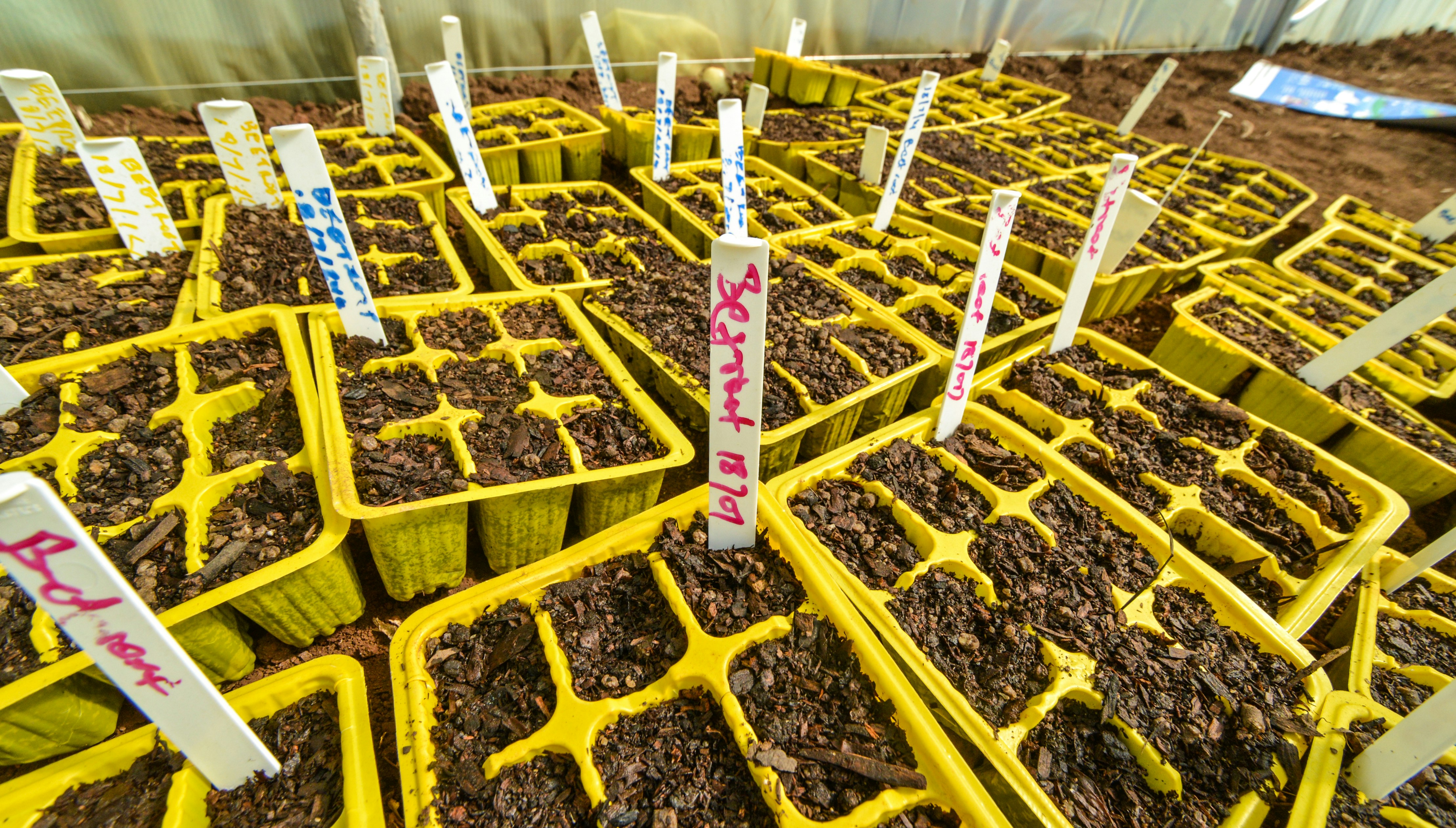
Introduction to Plant Gene Families
Plant gene families represent groups of genes that share a common ancestral origin and typically exhibit similar functions, structures, and sequences.
These families are essential in understanding the complexity of plant biology, as they often play crucial roles in determining plant characteristics, enhancing adaptability, and contributing to various biological processes. Gene families in plants can include genes involved in critical functions such as metabolism, stress response, and development, thereby illustrating their evolutionary significance and functional diversity.
The study of plant gene families is vital for several reasons. Firstly, gene families can provide insights into the evolutionary history of plants, making them invaluable for phylogenetic studies. By examining the similarities and variations among gene sequences, researchers can reconstruct evolutionary relationships between different plant species. Additionally, understanding gene families aids in unraveling mechanisms underlying specific traits, such as drought resistance or nutrient uptake, which can be pivotal for crop improvement and agricultural sustainability.
Extracting gene family sequences is a critical step for researchers interested in analyzing gene function and interactions. Tools like Phytozome offer comprehensive databases that allow for the effective extraction of these sequences. The availability of high-quality gene family sequences enables scientists to perform various genomic analyses, such as gene expression profiling, functional annotation, and comparative genomics. These insights can lead to advancements in biotechnology, contributing to the development of plants with desirable traits and improving food security.
In essence, plant gene families are integral to deciphering the intricacies of plant biology and the adaptations that have allowed plants to thrive in diverse environments. The exploration of these gene families through sequence extraction holds promise for advancing our understanding of plant functions and for practical applications in agriculture and environmental management.
Overview of Phytozome
Phytozome is a comprehensive plant genomics database that serves as a critical resource for researchers involved in the study of plant gene families. Developed by the Department of Energy’s Joint Genome Institute (JGI), Phytozome houses a wealth of genomic data from a diverse array of plant species, making it an invaluable tool for comparative genomics and evolutionary studies. Its primary aim is to facilitate the understanding of plant biology through the integration and analysis of genomic sequences.
One of the key features of Phytozome is the scope of its data. The database includes genomic sequences, gene models, annotations, and functional information for numerous plant species, ranging from economically important crops to model organisms used in research. Users can access whole-genome sequences, gene family classifications, and even information on gene expression profiles. This extensive repository allows researchers to investigate the intricacies of plant genomes, focusing on how different gene families evolve and function across species.
Phytozome’s user interface provides an accessible platform for querying and retrieving data, enabling researchers to extract specific gene sequences or explore broader genomic features. Additionally, the platform supports a number of computational tools, making it easier for scientists to perform analyses related to gene families. The database is continually updated to include the latest genomic advancements, ensuring that it remains relevant in the fast-evolving field of plant genomics.
Overall, Phytozome stands as a premier resource for those engaged in plant research. Its extensive database not only provides critical genomic information but also fosters collaboration among researchers by enabling easy sharing of data related to plant gene families. This accessibility and comprehensiveness make Phytozome a foundational tool for advancing our understanding of plant biology.
Essential Tools for Sequence Extraction
To efficiently extract plant gene family sequences from Phytozome, several automation tools and software applications are available that significantly streamline the process. These tools are designed to facilitate the retrieval of specific gene sequences with minimal manual intervention, ensuring a swift and organized workflow.
One of the primary tools recommended for this purpose is the Phytozome API. The Application Programming Interface (API) allows users to access the vast database programmatically, enabling the extraction of relevant sequence data through predefined queries. With the Phytozome API, researchers can utilize its extensive gene annotations and genomic information without navigating the entire web interface, making it especially advantageous for those who require bulk data retrieval.
Another valuable tool is Python Scripts. With libraries such as Biopython, users can write scripts that automate the process of downloading and formatting gene sequences from Phytozome. By creating Python scripts tailored to specific gene families, researchers can eliminate repetitive tasks, effectively pulling large datasets directly from the database. This flexibility is particularly beneficial for those involved in large-scale genomic studies.
For users seeking a more user-friendly experience, the Geneious Prime software is worth mentioning. This graphical user interface enables one-click extraction methods, allowing users to quickly search for and download gene sequences from Phytozome. Its intuitive layout supports genomic analysis, making it accessible to both novice and experienced researchers looking to handle plant gene families efficiently.
In summary, the combination of the Phytozome API, Python scripts, and Geneious Prime represents a formidable toolkit for automating the extraction of plant gene family sequences. These resources not only simplify the process but also enhance the accuracy and speed of data retrieval, empowering researchers in their genomic analyses.
Step-by-Step Guide to Accessing Phytozome
The Phytozome database serves as a comprehensive resource for plant genomic information, facilitating the exploration of various gene family sequences. To begin utilizing this valuable tool, one first needs to access the Phytozome website. Navigate to phytozome.jgi.doe.gov. Upon arrival, users will find an intuitive interface that provides numerous features to streamline their search for specific plant gene family sequences.
If this is your first visit, it may be beneficial to create an account. Though account creation is not mandatory for browsing, having an account allows for personalized features such as saving searches and accessing advanced functionalities. To register, click on the ‘Sign Up’ option located at the top right corner of the homepage. The registration process requires basic information, such as name, email address, and a chosen password. After completing the form, verify your email to activate the account.
Once logged in, or if you prefer browsing without an account, locate the search bar prominently displayed on the homepage. Enter the specific gene family name or associated keywords in the search field. Phytozome is equipped with powerful search algorithms, enabling users to sift through numerous entries efficiently. As results populate, leverage the filtering options available to refine your search based on a particular plant species, gene family type, or genomic functional category. These filters enhance the user experience by narrowing down results, thereby facilitating an easier navigation toward the desired plant gene family sequences.
After identifying the gene family of interest, clicking on the entry will direct you to a detailed page, showcasing intricate data such as gene annotations, sequence information, and relevant genomic context. By following these steps, users can systematically access and explore the wide array of gene families available within the Phytozome database.
How to Retrieve Peptide, CDS, Genomic, and Promoter Sequences
Retrieving peptide, coding DNA sequence (CDS), genomic, and promoter sequences from Phytozome is a systematic process that can be accomplished through several straightforward steps. This process begins with accessing the Phytozome platform, which is an invaluable resource for genomic data related to various plant species. Navigate to the Phytozome homepage, and use the search function to find your desired gene family. This is essential; ensuring you select the correct gene family will facilitate an accurate retrieval process.
Once you have located the gene family of interest, click on the specific genes within that family. Here, you will find a range of options detailing the various sequence types available. For peptide sequences, select the option indicating peptides associated with the gene. This will provide you with the amino acid sequences that are crucial for protein analysis and functional studies.
To retrieve the coding DNA sequences (CDS), look for the respective section on the gene’s page. The CDS represents the portion of the gene that is translated into proteins, and having accurate CDS data is fundamental for downstream applications, including gene cloning or expression studies. The genomic sequences can also be accessed on the same platform, usually categorized under genome or genomic data. This information includes the entire sequence of the gene in the context of the genome, which may vary between species.
Finally, promoter sequences can often be obtained from the upstream regions of the gene. These regions are critical for understanding gene regulation, as they contain essential elements for transcription initiation. To ensure a comprehensive extraction, be diligent in checking the completeness of each sequence type and cross-reference with external databases if necessary.
By following these guidelines, you can effectively retrieve the required sequences from Phytozome. This resource empowers researchers and plant biologists to access necessary genomic data, advancing studies in plant genetics and molecular biology.
Automating Sequence Retrieval: Quick Automation Tools
The retrieval of plant gene family sequences can be a labor-intensive task, particularly when dealing with large datasets. Fortunately, a variety of automation tools can significantly streamline this process, allowing researchers to focus on analysis rather than manual data extraction. One of the most effective approaches is the use of scripting languages such as Python or R, which can be employed to write scripts that facilitate automated retrieval from databases like Phytozome.
Python, with its libraries such as Biopython, offers a robust framework for interacting with biological data. By utilizing Biopython, users can write scripts that send requests to the Phytozome API for specific gene families. This means that researchers can specify their desired sequences and retrieve them in bulk, thus enhancing efficiency. Additionally, R users may take advantage of the Bioconductor project, which provides tools for genomic data analysis and can also be utilized for automating sequence retrieval.
Further, dedicated software tools like Galaxy and Geneious can also be employed for this purpose. These platforms often feature user-friendly interfaces that streamline the process of extracting sequences. Users can create workflows that connect to the Phytozome database, automatically pulling the required sequences with minimal manual intervention. This can be particularly beneficial for large-scale studies where time and accuracy are paramount.
As automation technologies evolve, incorporating these tools into the sequence retrieval process not only reduces human error but also speeds up the workflow, enabling researchers to obtain gene family sequences with unprecedented efficiency. By leveraging scripts and dedicated software, it is now possible to transform a traditionally cumbersome task into a streamlined and manageable procedure, paving the way for more extensive and impactful research in plant genomics.
Common Issues and Troubleshooting
When extracting gene family sequences from Phytozome, users may encounter various challenges that can hinder their progress. Understanding these common issues and knowing how to address them is essential for a smooth extraction process. One of the frequent problems involves technical glitches, which can arise from internet connectivity issues or browser compatibility. Users might experience slow loading times or even complete failures of the web interface. In such cases, refreshing the page or switching to a different browser may resolve the problem.
Another significant challenge is related to data access. Users may find themselves unable to download specific gene family sequences due to permission restrictions or outdated links. It is advisable to check the Phytozome website for any announcements regarding server maintenance or updates that may affect access. If an error message appears, users should look for alternative links or contact the support team directly for assistance.
Additionally, discrepancies in gene annotations can lead to confusion when trying to extract precise sequences. Users may not locate their target genes or may find a mismatch in gene identifiers. It is crucial to ensure that the user is referencing the correct version of the Phytozome database. Comparing the relevant gene lists with other databases or studies may help verify the annotations used. Cross-referencing can minimize errors when working with gene families.
Finally, data management issues can arise during the extraction process, particularly for users unfamiliar with handling large datasets. Employing software tools designed for bioinformatics can significantly enhance data organization and processing. Users are encouraged to familiarize themselves with various data management practices and techniques to handle extracted sequences effectively.
Applications of Extracted Gene Sequences
The extraction of gene family sequences from platforms such as Phytozome presents a plethora of applications that significantly impact several domains of biological research. One of the primary uses of these sequences is in the field of genetic studies. Researchers employ these sequences to investigate the nuances of genetic variation among different plant species. By analyzing the extracted gene sequences, scientists can identify specific genetic markers linked to desirable traits, thereby facilitating advanced studies focused on gene function and regulation.
Additionally, extracted gene sequences serve a crucial role in evolutionary biology, allowing researchers to trace the evolutionary pathways and relationships between various plant taxa. Through comparative genomics, scientists can utilize these sequences to determine phylogenetic relationships and understand the lineage of plant species. This information is vital for deciphering evolutionary adaptations, providing valuable insights into how plants have evolved in response to environmental changes over time.
Moreover, plant breeding programs have greatly benefited from the integration of extracted gene family sequences. By leveraging this data, breeders can implement marker-assisted selection (MAS) strategies to enhance the efficiency of developing improved cultivars. The identification of gene sequences associated with specific agronomic traits enables the selection of parent plants that carry favorable genes, accelerating the breeding process with reduced reliance on traditional phenotypic selection methods.
In essence, the applications of extracted plant gene sequences span across multiple disciplines, enriching our understanding of plant biology and bolstering efforts in crop improvement. These gene sequences not only provide insights into the molecular underpinnings of plant traits but also streamline research initiatives aimed at maximizing agricultural productivity in the face of evolving environmental challenges.
Conclusion and Future Directions
In summary, the process of automatically extracting plant gene family sequences from databases like Phytozome is a critical endeavor that enhances our understanding of plant genetics and evolutionary processes. This tutorial has outlined the essential steps involved in the extraction methodology, including data retrieval, sequence alignment, and specific tools available to researchers. By streamlining these procedures, the tutorial serves as a foundation for enhancing the efficiency and accuracy of gene family analyses in botanical research. The growing availability of genomic data necessitates robust methodologies for extracting relevant sequences effectively to support diverse research initiatives.
Looking forward, several key areas of focus emerge for future research in plant gene families and sequence extraction. One notable direction is the integration of artificial intelligence and machine learning techniques to refine the extraction processes. These technologies could potentially automate the identification of gene family sequences more accurately, minimizing human error and increasing efficiency. Additionally, as the repositories of genomic information continue to expand, the development of new algorithms that can manage larger datasets will be pivotal in advancing the field.
Moreover, ongoing improvements in bioinformatics tools and resources mean that researchers will increasingly have access to advanced methodologies for gene analysis. Emphasizing collaborative efforts within the scientific community will also foster innovation, as interdisciplinary partnerships can lead to breakthroughs in sequence extraction techniques. By focusing on these progressive strategies, the potential for understanding plant genetics will expand significantly, may contribute to advancements in agriculture, conservation, and ecological research.
Ultimately, enhancing the extraction process of plant gene family sequences paves the way for a deeper understanding of the functional implications of these genes, their evolutionary roles, and their contributions to plant diversity. As research evolves, the continued refinement of these methodologies will be essential in unlocking further insights into the complexities of plant genomes.