
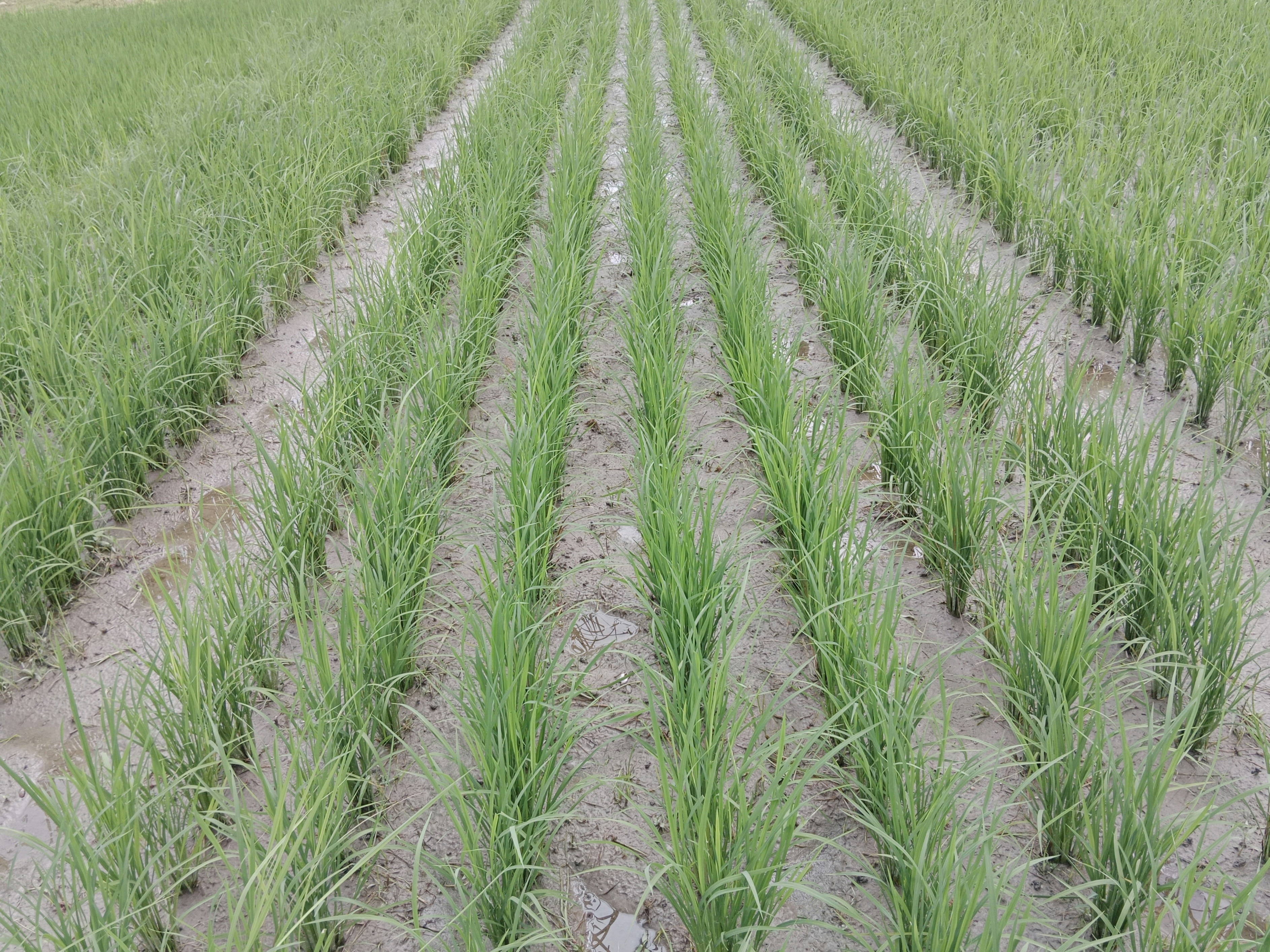
Introduction to Horticulture Data
Horticulture data refers to the collection and analysis of information related to the cultivation of plants, fruits, vegetables, and ornamental crops. This type of data plays a crucial role in the agriculture sector as it helps in making informed decisions that can lead to improved yields, pest management, and effective resource utilization. As the demand for food continues to rise globally, the significance of horticulture data cannot be overstated. It enables farmers and researchers to gain insights into various aspects of plant growth, environmental factors, and market trends.
Common types of horticulture data include environmental parameters such as temperature, humidity, and soil moisture, which directly influence plant health and productivity. Other important data points involve plant phenology, including flowering times and fruiting cycles, as well as pest and disease incidence reports that aid in the timely application of control measures. Additionally, yield data is crucial for evaluating crop performance and making strategic decisions for future planting seasons.
The extraction of horticulture data is vital for optimizing agricultural practices. By utilizing modern technologies and programming languages such as Python, stakeholders can streamline the process of gathering and analyzing this data. This allows for more precise management practices that can lead to better pest control strategies, improved resource allocation, and enhanced overall productivity. Moreover, data-driven insights enable growers to adapt to changing environmental conditions, thus promoting sustainability within the horticultural sector.
As the landscape of horticulture continues to evolve, harnessing comprehensive data through effective extraction techniques becomes increasingly important. This guide will delve deeper into methods of extracting horticulture data using Python, underscoring the transformative potential of data in contemporary agricultural practices.
Setting Up Your Python Environment
To effectively extract horticulture data using Python, it is essential to set up a robust Python environment. The first step involves installing Python itself, which can be downloaded from the official Python website. Once Python is installed on your machine, it is recommended to use a package manager called pip, which simplifies the process of installing additional libraries necessary for data extraction.
For horticulture data analysis, you must install several key libraries, notably Pandas and NumPy. These libraries facilitate data manipulation and numerical computations. To install them, open your command line interface and run the following commands: pip install pandas and pip install numpy. Additionally, BeautifulSoup and requests are crucial for web scraping tasks. BeautifulSoup allows you to parse HTML and XML documents, while requests provide a simple way to make HTTP requests. You can install these libraries with the commands pip install beautifulsoup4 and pip install requests.
Once the necessary libraries are installed, configuring your development environment will enhance your coding experience. A popular choice among data scientists and developers is Jupyter Notebook, which provides an interactive environment that is ideal for running Python code snippets and visualizing data. To install Jupyter Notebook, use the command pip install notebook. After installation, you can start Jupyter by typing jupyter notebook in your command line, which will open a new browser window for you to create and manage your notebooks.
Other integrated development environments (IDEs) like PyCharm or Visual Studio Code can also be utilized for a richer coding experience. Each of these tools presents distinct functionalities that can help you streamline your workflow as you extract horticulture data.
Data Sources for Horticulture Information
Accessing high-quality horticulture data is crucial for research and practical applications in the field. Several sources provide valuable information on plants, soil conditions, weather patterns, and agricultural practices. Among these, websites specifically dedicated to horticulture, Application Programming Interfaces (APIs), and open databases stand out as essential resources for extracting pertinent data.
Websites such as the United States Department of Agriculture (USDA) National Agricultural Statistics Service offer a plethora of data related to crop production, plant health, and agricultural trends. Similarly, sites like the Royal Horticultural Society provide detailed resources on plant species, horticultural practices, and conditions for various plants. These websites often publish reliable reports, articles, and interactive tools to facilitate data extraction.
APIs are another significant source of horticulture data, allowing developers to programmatically access and retrieve specific datasets. For instance, the OpenWeatherMap API provides real-time weather data that can be integral to understanding horticultural conditions. Other platforms, like the Plant API, grant users access to extensive plant information, including taxonomy and care instructions. APIs streamline the data extraction process, enabling continuous updates and easy integration with Python scripts.
Open databases such as the Global Biodiversity Information Facility (GBIF) also serve as a crucial resource for professionals seeking horticulture data. GBIF houses a vast collection of biodiversity data from various regions, enabling researchers to analyze patterns in plant distributions and occurrences. Users can extract diverse data types from these databases, ranging from soil characteristics to climate information, thereby fostering a comprehensive understanding of horticultural ecosystems.
In conclusion, various data sources exist for horticulture information, including websites, APIs, and open databases. By leveraging these resources, practitioners can extract valuable data, enhancing their horticultural practices and research outcomes.
Web Scraping Techniques in Python
Web scraping is a powerful technique used to extract data from websites, and it is particularly useful in fields such as horticulture. To effectively scrape data, one must first understand the basic structure of HTML and web pages. Hypertext Markup Language (HTML) organizes content on the web, and each webpage is made up of various elements, including headings, paragraphs, links, and tables. Understanding how these elements are structured is crucial for identifying and extracting relevant information.
In Python, some of the most popular libraries for web scraping are BeautifulSoup and requests. The requests library allows users to send HTTP requests to access web pages and retrieve their HTML content. Once the HTML is obtained, BeautifulSoup can be employed to parse the HTML code and navigate its structure. It offers simple methods for searching and extracting data, making it an ideal tool for those new to web scraping.
To illustrate these techniques practically, consider a scenario where a user wishes to scrape data related to horticulture from a gardening website. First, the user would utilize the requests library to fetch the webpage:
import requestsresponse = requests.get('https://example-gardening-website.com')Once the webpage HTML is retrieved, BeautifulSoup is used to parse it:
from bs4 import BeautifulSoupsoup = BeautifulSoup(response.content, 'html.parser')With the HTML parsed, the user can then extract information such as plant care tips, climate suitability, or species descriptions by utilizing methods like soup.find() or soup.find_all() to locate specific HTML elements. This hands-on approach not only equips individuals with practical skills in web scraping but also enables efficient gathering of relevant horticulture data, whether for research or personal interest. Python’s libraries make these processes accessible and flexible, catering to various scraping projects.
Interacting with APIs for Data Retrieval
Application Programming Interfaces (APIs) serve as the bridge between different software applications, enabling them to communicate and share data. In the context of horticulture, APIs provide a wealth of data that can be extracted for various analytical purposes. RESTful APIs, which comply with Representational State Transfer architecture, are particularly popular due to their simplicity and efficiency. These APIs allow users to interact with web services through standard HTTP requests, making data retrieval straightforward for developers.
To start extracting horticulture data using Python, you’ll need to utilize libraries such as Requests. This library simplifies the process of sending HTTP requests, allowing you to easily interact with RESTful APIs. The fundamental steps involve making a GET request to a specific API endpoint, where the data resides. For instance, if you’re targeting a horticulture API for plant species information, the API documentation will guide you to the appropriate endpoint, usually formatted as a URL.
Once you have identified the relevant API endpoint, the next step is to formulate your GET request in Python. The following code snippet demonstrates this:
import requests
response = requests.get('https://api.example.com/plants')
if response.status_code == 200:
data = response.json()
In this example, a successful request returns a status code of 200, indicating that the data has been retrieved successfully. The data is then converted from JSON format into a Python dictionary for easier manipulation. It is essential to handle different response statuses appropriately, as they provide vital information about the success or failure of your request.
Furthermore, many horticulture APIs require an API key for authentication. Registering for an API key is often a prerequisite for accessing the data. Once you possess your key, you can include it in your headers to gain the necessary permissions for data retrieval. As you explore various APIs, familiarize yourself with their documentation to understand the available endpoints, parameters, and any specific requirements regarding data access.
Data Cleaning and Preprocessing
Data cleaning and preprocessing are critical steps in the data analysis pipeline, particularly for horticulture data extraction using Python. The extracted data often includes inaccuracies, inconsistencies, and irrelevant information that can skew results. Consequently, effective data cleaning techniques must be applied to ensure the integrity and usability of the dataset.
One of the first tasks in this phase is handling missing values. When data is collected from various sources, it is not uncommon for some observations to be incomplete. Python libraries such as Pandas offer methods like dropna() and fillna(), allowing users to either remove rows with missing data or fill these gaps with appropriate values, such as the mean or median. Choosing the right approach depends on the nature of the data and the context of its analysis. For horticulture data, it is vital to make decisions that do not lead to biased outputs.
Next, the removal of duplicates is essential to prevent skewed analysis. Duplicate data can be identified using the duplicated() function in Pandas, which flags repeated entries. Removing these duplicate rows ensures that the analysis reflects unique observations, portraying a clearer picture of the horticultural landscape.
Data formatting is also an important aspect of preprocessing. This involves converting data types to suitable formats. For instance, dates should be parsed correctly and stored in datetime format to facilitate time series analysis, while numerical values must be ensured to be in integers or floats as required. Utilizing functions like astype() allows for efficient conversion between data types.
Lastly, additional data wrangling tasks might involve converting categorical data into numeric format through techniques such as encoding, which is essential for machine learning applications. By employing these data cleaning and preprocessing techniques, the extracted horticulture data will be primed for in-depth analysis, leading to more accurate insights and conclusions.
Analyzing Horticulture Data
Analyzing cleaned horticulture data is pivotal for deriving meaningful insights that can drive decision-making in the field. Python, with its robust data analysis libraries such as Pandas, Matplotlib, and Seaborn, provides versatile tools that facilitate in-depth examination of horticulture data. The first step in this process involves employing Pandas for data manipulation and exploration. By utilizing its DataFrame structure, users can conveniently handle large datasets, perform operations like filtering, grouping, and summarizing data to highlight crucial trends in horticulture practices.
Once the data is organized, the next major aspect of analysis is data visualization. Visualization aids in comprehending complex datasets by providing graphical representations. Matplotlib is a foundational library that allows users to create a variety of static, animated, and interactive plots. For horticulture data, techniques such as scatter plots, line charts, and bar graphs facilitate the observation of relationships and trends over time, making it easier to visualize parameters like crop yield versus rainfall or pest infestation over various seasons.
Seaborn, built on top of Matplotlib, enhances this capability by offering advanced statistical graphics. It simplifies the process of generating visually appealing and informative charts with less code. For instance, a heatmap can showcase the correlation between different variables in a horticulture dataset, revealing underlying patterns that might otherwise be obscured in raw data.
Moreover, statistical analysis methods, such as regression analysis, can be employed to model relationships within the data. Using libraries like SciPy and StatsModels, users can conduct hypothesis testing, calculate confidence intervals, and perform ANOVA tests to validate findings. These statistical techniques are invaluable in making data-driven predictions relevant to horticultural practices, ultimately leading to improved efficiency and crop outputs.
Through the combination of these analytical methods, professionals can leverage the insights gained from horticulture data, fostering an environment where data-driven decisions enhance productivity and sustainability in horticulture.
Storing Extracted Data for Future Use
Once the horticulture data has been extracted and processed using Python, the next crucial step involves selecting the appropriate storage solution. The storage option will largely depend on factors such as the nature of the data, frequency of access, and intended use cases. Three commonly used methods include CSV files, SQL databases, and cloud storage solutions, each having its own advantages and situational applications.
CSV (Comma-Separated Values) files are a straightforward option for storing horticulture data. They are human-readable, easy to manipulate with Python’s built-in libraries, and convenient for export and import among various systems. CSV is particularly effective when dealing with smaller datasets or when data will be accessed infrequently. However, it may not be suitable for larger datasets or complex queries, as performance becomes an issue.
SQL databases present a more robust alternative, especially for larger datasets or when complex relationships among data elements need to be managed. A structured query language allows users to perform intricate queries, making it easier to retrieve specific subsets of horticulture data. SQL databases, such as MySQL or PostgreSQL, offer scalability and efficiency, especially for applications requiring frequent access and updates. They maintain data integrity and prevent redundancy, which is invaluable for long-term horticultural projects.
Cloud storage solutions, such as AWS S3 or Google Cloud Storage, are increasingly popular for their flexibility and accessibility. These platforms provide scalable storage that can accommodate vast amounts of horticulture data while ensuring high availability. They also facilitate collaboration, allowing multiple users to access the data from different locations. Moreover, cloud solutions often integrate seamlessly with data processing tools and can enhance data security through encryption and backup features.
In conclusion, choosing an appropriate storage option is vital for effectively managing extracted horticulture data. Understanding the strengths and weaknesses of each solution will ensure the data remains accessible and useful for future analyses and applications.
Case Study: Horticulture Data Extraction Project
This case study focuses on a practical project that aimed to extract comprehensive horticulture data from various online sources using Python. The main objective was to build a reliable dataset that could shed light on the growth patterns and environmental requirements of various plant species. The project pursued the dual goal of enhancing the transparency of horticulture data and facilitating local farmers in making informed decisions regarding crop selection.
The methodology employed in this project encompassed several stages. Initially, data sourcing was a major component; multiple websites, databases, and government publications were identified as potential repositories of horticulture information. Using Python libraries such as Beautiful Soup and Scrapy, the team developed web scrapers to automate the data extraction process, ensuring that the relevant information about plant types, soil conditions, and climate preferences were systematically gathered.
Throughout the project, the team encountered various challenges. Notable issues included website structures that frequently changed, which disrupted the scraping algorithms. Additionally, navigating through unstructured and semi-structured data presented difficulties in parsing relevant information accurately. To overcome these obstacles, the team implemented robust error handling and utilized Python’s Pandas library for effective data cleansing and organization.
The results of this horticulture data extraction project were promising. The end product was a well-organized database containing detailed insights into over 500 different horticulture species. This database has proven invaluable to local farmers, providing them with the necessary information to optimize crop selection procedures. The applicability of Python for horticulture data extraction has not only enhanced data accessibility but also empowered stakeholders in making data-driven decisions to improve productivity and sustainability in horticulture practices.