

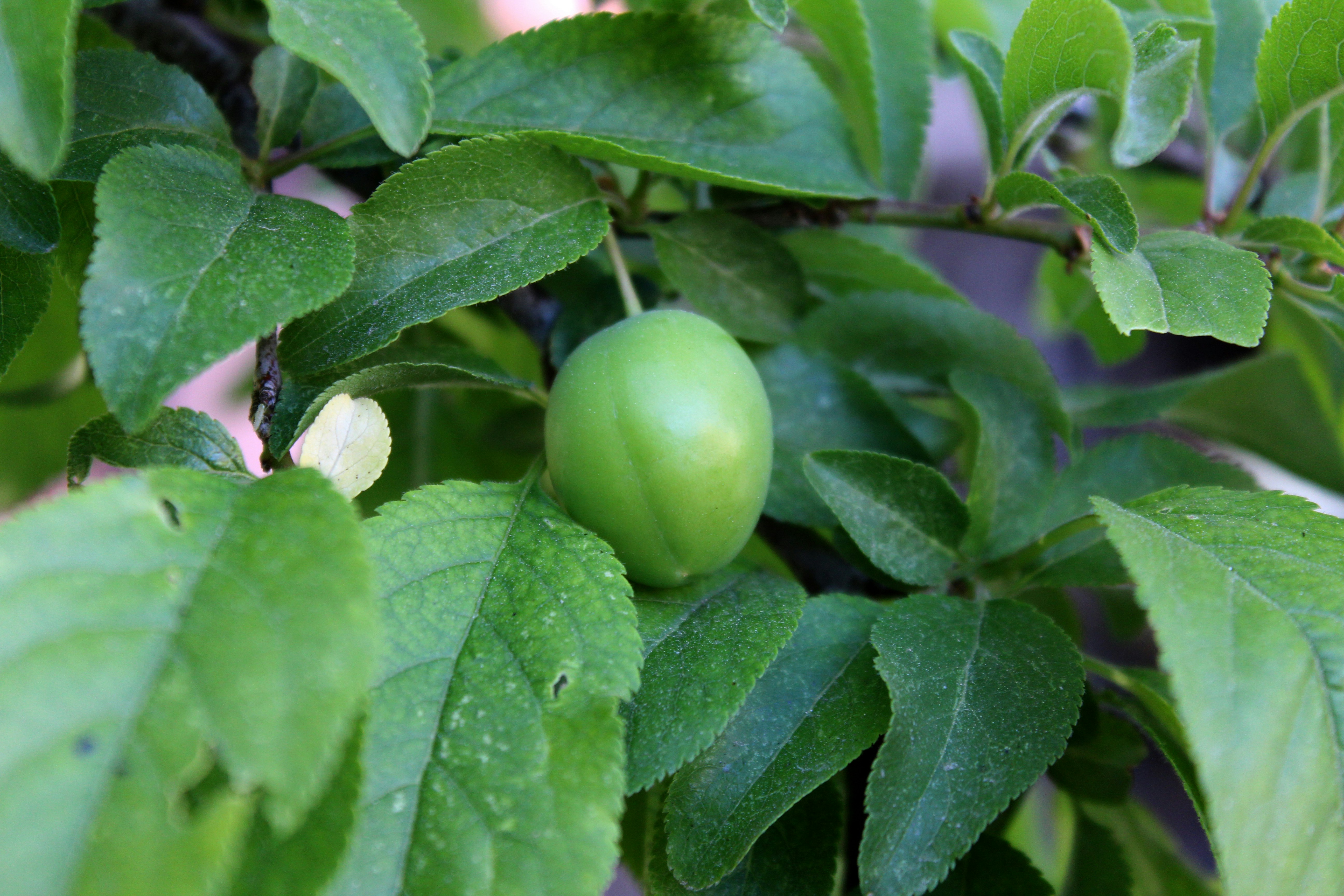
What Determines Fruit Growth Location?
In the world of botany, the location where fruit grows on a tree is often a topic of intrigue.
Many wonder why fruit tends to develop at the tips of branches, rather than along the entire length. Understanding this phenomenon is essential for gardeners and agriculturalists aiming for better yields.
The Advantages of Terminal Fruit Growth
Fruits that grow at the tip of the branch benefit from several factors. First, these locations receive optimal sunlight, which is crucial for photosynthesis. The leaves at the tip are not shaded by other foliage, allowing for maximum energy absorption. This exposure promotes better growth and development of the fruit.
Growth Hormones and Fruit Development
The role of growth hormones cannot be overlooked when discussing why fruit grows at the tip of the branch. Auxins, which are plant hormones, are produced primarily in apical buds. These hormones encourage cell elongation and the development of fruit at the branch’s terminal ends. This hormonal concentration effectively directs the energy and resources to the tips, fostering fruitful growth.
In summary, the reasons behind fruit growth at the tip of the branch are deeply rooted in the environmental conditions and physiological processes of the plant. By understanding these mechanisms, we can appreciate the intricate relationship between a tree and its fruits, leading to better cultivation practices.
